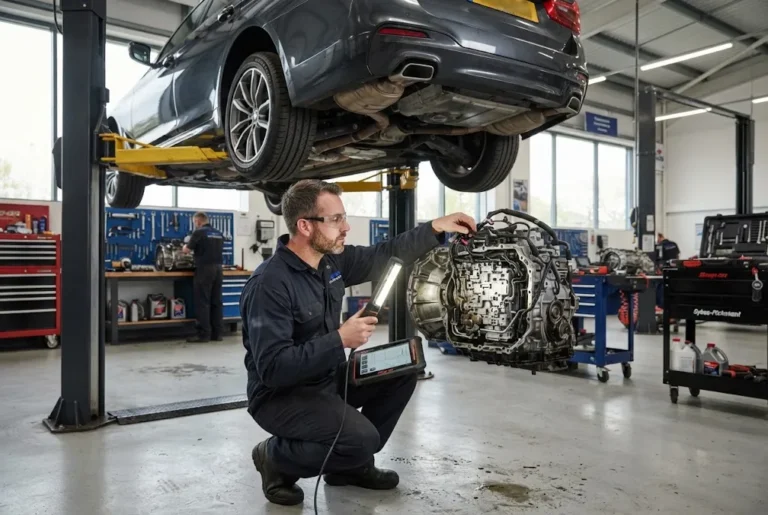
Understanding car service cost can be difficult because there is no single price that applies to every vehicle or every type of service. The final amount can depend on the vehicle’s make and model, its age, mileage, service requirements, location and the work included in the service package.
For UK drivers, comparing service prices is therefore about more than finding the cheapest advertised figure. A lower initial price may cover a more limited service, while a higher quote may include additional checks or replacement items. Understanding what affects service pricing makes it easier to compare quotes and plan for routine vehicle maintenance.
What Determines Car Service Cost?
Several factors can influence the amount a driver pays for servicing. The most important is often the type of service required. Different vehicles and manufacturers can have different maintenance schedules, while older cars may require additional attention because of wear and age.
Other factors can include:
- The vehicle’s make and model
- Vehicle age and mileage
- Manufacturer service requirements
- Type of service being carried out
- Parts and consumables required
- Labour rates charged by the provider
- Vehicle condition
- Additional faults identified during servicing
- Garage location and operating costs
Because these factors vary, drivers should treat advertised prices as a starting point rather than assuming that every vehicle will receive exactly the same service for exactly the same amount.
Car Service Cost and Different Service Types
One reason service prices vary is that the term “car service” can refer to different levels of maintenance. A provider may offer an interim service, full service or another package based on the vehicle’s maintenance schedule.
The contents of these packages can differ, so drivers should examine what is actually included before comparing prices. Two services with different names may include different checks, replacement items and labour requirements.
Our car servicing guide provides further information about servicing and why motorists should check the exact scope of a service rather than comparing headline prices alone.
What Is Usually Included in a Car Service?
The precise work depends on the service package and vehicle, but routine servicing can involve a range of checks and maintenance tasks. These may include examining relevant vehicle systems, checking fluid levels and assessing components for signs of wear.
Some services may include replacement of specified consumables or filters where required by the maintenance schedule. Others may focus more heavily on inspection and condition checks.
Drivers should always ask the provider for a clear description of the work included. This helps establish whether the advertised price represents the complete expected cost or whether certain items are charged separately.
Why Car Service Cost Can Increase
A service appointment does not necessarily mean that the vehicle will require only routine maintenance. A technician may identify a component that has worn or a fault that requires further investigation.
For example, a service could reveal worn brakes, damaged tyres, a fluid leak or another issue that falls outside the basic service package. Repairing the problem would normally be additional work rather than part of the original routine service price.
This is why customers should ask how additional work will be handled. A professional provider should explain what has been identified and, where appropriate, provide an estimate before carrying out chargeable work beyond the agreed service.
Understanding Service Pricing
Service pricing can be presented in several ways. Some garages advertise fixed-price packages, while others provide estimates based on the individual vehicle and its requirements.
A fixed-price package can make budgeting easier, but customers should still check its terms. An advertised price may apply only to certain vehicle types or may exclude additional parts, specialist requirements or repairs.
An estimate is different from a final invoice. If additional work becomes necessary, the eventual cost may change. Asking what assumptions were used to calculate an estimate can make the pricing process clearer.
Labour Costs
Labour forms part of the overall cost of servicing. Rates can differ between providers because garages have different operating costs, facilities, equipment and levels of specialisation.
A higher labour rate does not automatically mean that a service offers better value, just as a lower rate does not necessarily indicate poor workmanship. Customers should consider the complete service, reputation, scope of work and transparency of pricing.
Parts and Consumables
Parts and consumables can also influence the final price. The appropriate specification may depend on the vehicle and manufacturer requirements.
Drivers should ask which parts are included in the quoted service and whether any manufacturer-specific requirements apply. If a replacement component is recommended, it is reasonable to ask what has failed or worn and why replacement is necessary.
How to Compare Car Service Cost
Comparing quotes can be useful, but the comparison should be based on equivalent services. A £100 service and a £200 service cannot be meaningfully compared if they include different maintenance tasks.
When requesting quotes, ask each provider for information about:
- The exact service package
- Checks and maintenance included
- Parts and consumables included
- Labour charges
- Additional charges that may apply
- How unexpected repairs are approved
- Whether diagnostic work is included or charged separately
This approach makes it easier to compare the actual value of each service rather than simply choosing the lowest headline figure.
Car Service Cost and Vehicle Age
Vehicle age can affect maintenance requirements. Older cars may have components that have experienced greater wear, while newer vehicles may follow specific manufacturer maintenance schedules and use more complex electronic systems.
Age alone does not determine the cost of servicing. Mileage, condition, maintenance history and vehicle design are also relevant.
A well-maintained older vehicle may require relatively straightforward routine servicing, while a newer vehicle can still develop an unexpected fault. This is why service pricing should be considered alongside the actual condition and maintenance requirements of the individual vehicle.
How Mileage Can Affect Service Costs
Mileage is another factor that can influence maintenance planning. Manufacturers may specify particular maintenance tasks at certain mileage intervals, meaning that a service at one point in a vehicle’s life may involve different work from an earlier appointment.
Higher-mileage vehicles may also require closer attention to components subject to normal wear. However, drivers should not assume that every high-mileage vehicle automatically needs expensive repairs.
The service history provides important context. Records can show which maintenance tasks have already been completed and which may be approaching their recommended intervals.
Service Costs vs Repair Costs
It is important to distinguish between servicing and repairs when considering vehicle ownership costs. Routine servicing is planned maintenance, while a repair addresses a specific fault, failure or damaged component.
A service may identify a repair requirement, but the repair itself may not be included in the original service price. This distinction can explain why the final invoice is sometimes higher than the initial service quote.
Drivers researching repair-related expenses can also explore our auto repair services guide for more information about diagnosis, repairs and how professional repair work fits into wider vehicle maintenance.
When a Diagnostic Check May Add to the Cost
If a vehicle displays a warning light or develops an unusual symptom, a service provider may recommend diagnostic work. Diagnostic testing can help identify potential faults in electronic or mechanical systems, depending on the equipment and testing process used.
However, a diagnostic check should not automatically be treated as a complete repair. Finding a fault code or symptom may be the beginning of the investigation rather than the end of it.
Drivers should ask whether diagnostic work is included in their service package and whether a separate charge applies. Clear communication at this stage can prevent unexpected costs.
Questions to Ask Before Booking a Service
Consumers can make service pricing easier to understand by asking a few practical questions before booking.
- Which service does my vehicle require?
- What exactly is included in the quoted price?
- Are parts and consumables included?
- Are diagnostic checks included?
- Could additional work be recommended after inspection?
- Will I be contacted before chargeable repairs are carried out?
- Will I receive details of work completed?
These questions help establish expectations before the vehicle enters the workshop and can make the final invoice easier to understand.
Car Service Cost and Ownership Planning
Regular servicing should be considered as part of the wider cost of owning a vehicle. Drivers need to think about routine maintenance alongside tyres, fuel or charging, insurance, taxation where applicable, repairs and other running costs.
Planning ahead can make unexpected maintenance less disruptive. Keeping service records and following the manufacturer’s recommended maintenance schedule can also help owners understand what work may be approaching.
This does not mean that every future expense can be predicted. Vehicles can develop unexpected faults, and repair requirements depend on actual condition. Nevertheless, regular maintenance gives owners a clearer basis for planning.
Getting Better Value From Auto Care Services
Value does not necessarily mean paying the lowest possible price. A service that omits important maintenance tasks may appear inexpensive initially but provide less useful coverage than a properly specified service.
Instead, motorists should look at the relationship between price, service scope, parts, labour, communication and the provider’s ability to perform the required work correctly.
This is also where customer education can help. A driver who understands basic service terminology is better positioned to ask relevant questions and identify differences between competing service packages.
Car Service Cost for Used Vehicles
When buying a used vehicle, prospective owners should consider future maintenance as well as the purchase price. A car that appears affordable may require upcoming servicing or maintenance based on its age, mileage and history.
A professional vehicle inspection can provide additional information about the car’s current condition. Our guide to auto inspection services explains how inspections can help buyers understand a vehicle before making a significant purchase.
Inspection findings do not provide a guaranteed forecast of future expenses, but they can highlight areas that may require attention. Combining inspection information with service records can therefore provide a more useful picture of likely ownership requirements.
Why Clear Pricing Guides Matter
Pricing guides can help consumers understand why automotive services cost what they do. However, useful guides should avoid presenting a single figure as though it applies universally.
A better approach is to explain the factors that influence pricing and show readers what questions to ask when requesting a quote. This creates more durable educational content because it remains useful even when individual garage prices change.
For automotive businesses, transparent pricing information can also reduce unnecessary enquiries. When customers understand what a service includes and which factors may change the final cost, conversations with service providers can become more productive.
Car Service Cost and Consumer Education
Automotive content should help consumers make informed decisions without pretending to diagnose their vehicles remotely. This is particularly important when discussing costs because online estimates cannot account for every vehicle-specific condition.
Useful cost content explains the difference between routine servicing, inspection, diagnosis and repair. It also encourages readers to obtain a vehicle-specific quote when they need an accurate price.
That approach supports better consumer education while avoiding misleading promises about what a particular repair or service should cost.
Final Thoughts on Car Service Cost
Car service cost depends on far more than the price displayed in a garage advertisement. Vehicle type, mileage, age, service requirements, labour, parts and additional maintenance needs can all affect the final amount.
The best way to compare service pricing is to establish exactly what each provider includes and whether additional work could be required. Drivers should also distinguish routine servicing from repairs and diagnostic investigations, as these may involve separate charges.
By keeping service records, following appropriate maintenance guidance and asking clear questions before approving additional work, UK motorists can make better-informed decisions about vehicle ownership costs. For automotive websites, clear pricing guides can provide genuine consumer value while supporting a wider content cluster covering servicing, inspections, diagnostics, repairs and vehicle maintenance.