Choosing the right auto inspection services can help UK drivers understand a vehicle’s condition before buying it, maintaining it or committing to expensive repairs. A professional inspection can reveal issues that are not immediately obvious from appearance, a short test drive or a basic vehicle history check.
For buyers, inspections can provide useful information before a major purchase. For existing owners, they can help investigate concerns, identify maintenance needs and provide a clearer picture of a vehicle’s condition. Understanding what an inspection involves also makes it easier to compare providers and interpret the resulting vehicle inspection information.
What Are Auto Inspection Services?
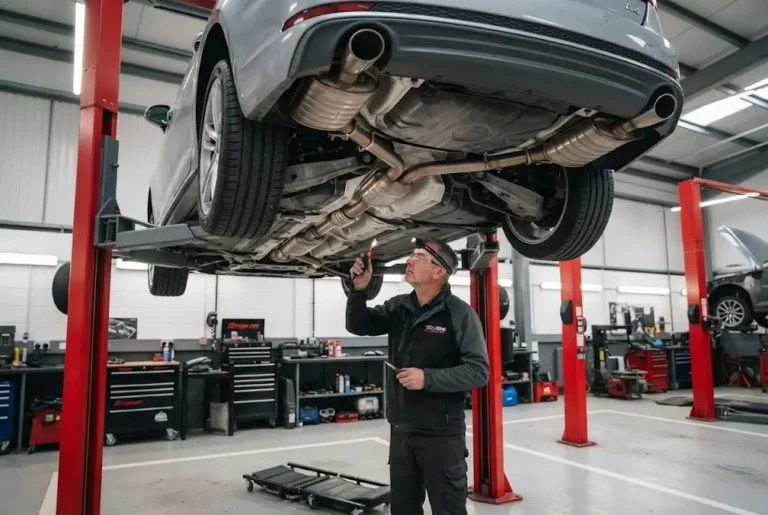
Auto inspection services involve the systematic assessment of a vehicle’s condition by a suitably qualified professional. The exact scope depends on the provider, vehicle and type of inspection, but checks can cover mechanical components, bodywork, tyres, brakes, suspension, steering, electrical systems and other accessible areas.
Not every inspection is the same. A basic visual assessment may be suitable for a straightforward check, while a more detailed inspection may include diagnostic equipment, a road test, photographs and a written report. Before booking, drivers should confirm exactly what is included rather than assuming every provider offers the same level of assessment.
It is also important to understand that a vehicle inspection is not automatically the same as an MOT. An MOT is a regulated test assessing whether a vehicle meets specific requirements at the time of testing. It is not designed to provide a complete assessment of a vehicle’s overall mechanical condition.
Why Vehicle Inspection Matters
A vehicle can look clean and well maintained while still having problems that require further investigation. Mechanical wear, previous repairs, electrical faults and developing component failures may not be obvious during a normal viewing.
This is particularly relevant when buying a used vehicle. A professional inspection can give a prospective buyer additional information before making a significant financial commitment. It may also identify maintenance work that could affect the real cost of ownership.
For example, a car may appear reasonably priced until an inspection identifies worn tyres, brake deterioration or suspension issues. Those findings do not necessarily mean the vehicle should be rejected, but they can help the buyer make a more informed decision and, where appropriate, discuss the asking price.
When Should You Use Auto Inspection Services?
The most obvious situation is when purchasing a used vehicle. However, inspection services can be useful in several other circumstances.
- Before buying a higher-value used car
- When a vehicle has incomplete maintenance records
- After noticing unusual noises, vibrations or warning lights
- Before a long journey when there are concerns about vehicle condition
- When assessing a vehicle after suspected accident damage
- Before selling a vehicle when an independent assessment may help explain its condition
- When purchasing a specialist, modified or older vehicle
The appropriate inspection depends on the reason for requesting it. Someone buying a relatively inexpensive commuter car may have different priorities from someone purchasing a premium, classic or technically complex vehicle.
What Do Auto Inspection Services Check?
A professional inspection can involve several areas of a vehicle. The precise checklist varies between providers, so motorists should always check the service description before booking.
Exterior and Bodywork
The inspection may examine the visible condition of the bodywork, including dents, scratches, corrosion, paint inconsistencies and signs that panels may have been repaired or replaced. These observations can provide useful clues about previous damage or general vehicle care.
Tyres, Brakes and Suspension
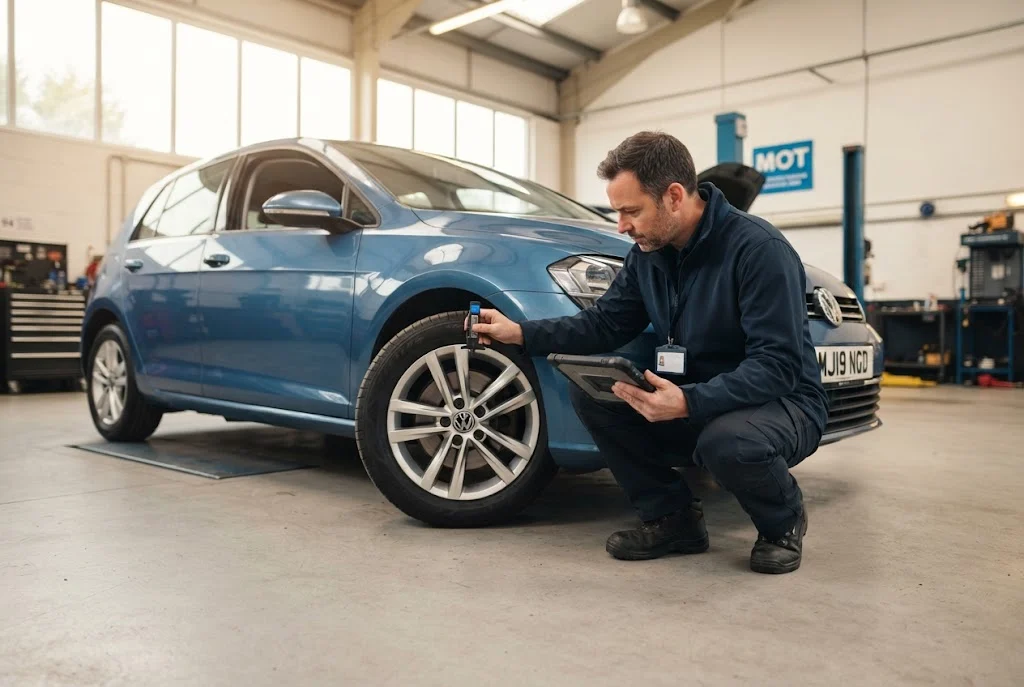
Tyres can be assessed for visible condition, tread and signs of uneven wear. Brakes and suspension components may also be inspected for signs of wear or other issues that could require attention.
These areas are particularly important because maintenance requirements identified during an inspection can affect the cost of keeping a vehicle roadworthy and reliable.
Engine and Mechanical Components
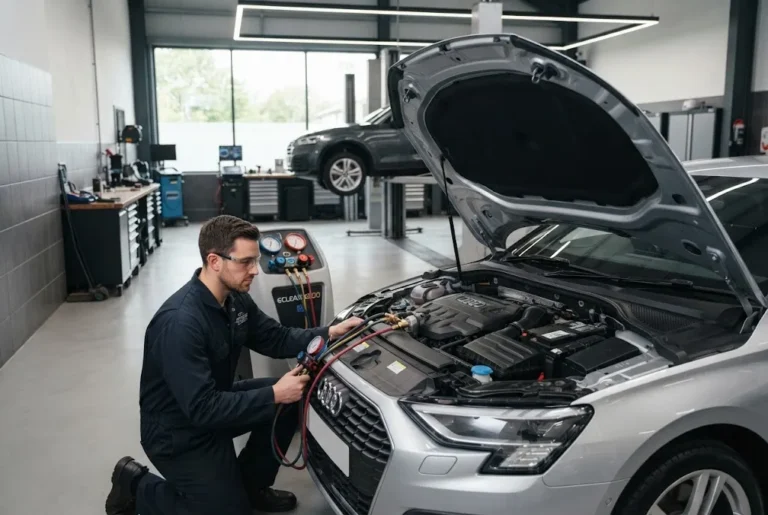
Depending on the inspection package, technicians may examine accessible engine components, fluid levels, leaks, belts, hoses and other mechanical areas. The inspection may also consider how the engine behaves during starting or operation.
A visual inspection cannot identify every possible internal fault. Therefore, significant concerns may require further diagnostic testing or specialist examination.
Electrical and Diagnostic Systems
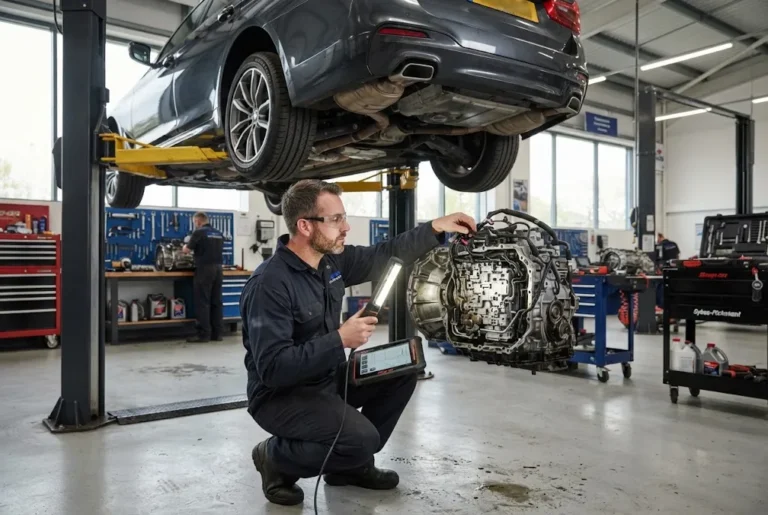
Modern vehicles rely heavily on electronic systems. Some auto inspection services therefore include diagnostic checks to identify stored fault information or warning-system issues.
Diagnostic information can be valuable, but it should be interpreted in context. A diagnostic code does not necessarily provide a complete diagnosis by itself. Further testing may be required to establish the underlying cause of a problem.
Understanding Inspection Reports
One of the most useful outcomes of a professional inspection is the inspection report. However, readers should look beyond an overall rating and examine the individual findings carefully.
Reports may include written observations, condition ratings, photographs or recommendations for further investigation. Depending on the provider, they may distinguish between items that are satisfactory, areas requiring monitoring and faults that need attention.
Pay particular attention to findings involving structural damage, corrosion, engine or transmission concerns, brake wear, suspension problems, tyre condition, fluid leaks and warning lights.
If a report contains technical terminology that you do not understand, ask the inspector to explain what the finding means and whether it is an immediate concern. A report is most useful when the reader understands the practical implications rather than simply seeing a list of technical terms.
Vehicle Inspection vs MOT
It is easy for motorists to assume that a current MOT means a vehicle has already received a comprehensive inspection. That is not the case.
An MOT assesses specific aspects of a vehicle against the standards applicable to the test. A broader vehicle inspection can have a different purpose and may examine the vehicle from a maintenance or purchasing perspective.
The two can therefore provide different types of information. A vehicle may have a valid MOT while still having maintenance requirements that a buyer should understand before purchasing it.
For official information about MOT testing and vehicle standards, motorists can consult the UK Government’s MOT guidance.
How Inspection Services Help Used-Car Buyers
For someone considering a used vehicle, an inspection can be one part of a wider due-diligence process. Buyers should consider the physical condition of the vehicle alongside its service history, available MOT information, mileage and other relevant records.
A professional inspection can also help separate cosmetic concerns from issues that may have a greater effect on ownership. Minor scratches may have little mechanical significance, whereas worn brakes or evidence of serious structural damage could require much greater consideration.
Buyers should also remember that an inspection is not a guarantee that a vehicle will remain trouble-free. It represents an assessment of the vehicle at a particular time and within the scope of the inspection that was purchased.
Choosing the Right Inspection Provider
When comparing auto inspection services, price should not be the only consideration. Two providers may advertise apparently similar services while offering very different levels of detail.
Before booking, ask what areas are included, whether diagnostics are available, whether a road test is performed, whether photographs are supplied and what type of report you will receive.
It is also sensible to establish whether the inspection is independent. For a used-car purchase, an assessment that is separate from the seller can provide an additional layer of information for the buyer.
Clear communication matters as well. A reputable provider should be able to explain the scope of the inspection and distinguish between observations, identified faults and areas that require further investigation.
How Inspection Findings Can Affect Ownership Costs
Vehicle condition is closely connected to ownership costs. An inspection may identify maintenance items that a buyer needs to budget for shortly after purchasing the car.
This is why inspection findings should be considered alongside broader maintenance information. Readers researching ongoing vehicle care can also explore our car servicing guide to understand how scheduled maintenance fits into responsible ownership.
Similarly, when an inspection identifies a specific fault, further professional diagnosis or repair may be appropriate. Understanding the difference between routine maintenance and repair work can help motorists ask better questions before approving additional work. Our guide to auto repair services provides further context on diagnosis and professional vehicle repairs.
Common Mistakes to Avoid
Drivers can get more value from an inspection by avoiding several common mistakes.
- Choosing an inspection solely because it has the lowest price
- Assuming an MOT replaces a broader vehicle assessment
- Failing to check what the inspection package includes
- Ignoring individual findings because the overall report appears positive
- Making a purchase decision based only on the inspection without checking available history and records
- Approving expensive repairs without asking what has been identified and why the work is necessary
A good inspection should form part of a wider decision-making process rather than being treated as a simple pass-or-fail exercise.
Making Better Decisions With Auto Inspection Services
Effective auto inspection services give motorists useful information about a vehicle’s condition and help reduce uncertainty. They can be particularly valuable before buying a used car, but they can also support maintenance decisions when a vehicle develops symptoms or requires closer assessment.
The most useful approach is to understand the scope of the inspection, read the report carefully and consider the findings alongside service records, MOT information and likely ownership costs. Where an inspection identifies a significant issue, further diagnostic or specialist work may be necessary before a final decision is made.
For automotive publishers and service businesses, inspection content also has an important educational role. Clear auto services content can help readers understand technical subjects without overwhelming them with unnecessary jargon. When inspection guides, maintenance information and repair explainers are connected logically, they create a stronger resource for motorists and a more useful automotive content ecosystem.