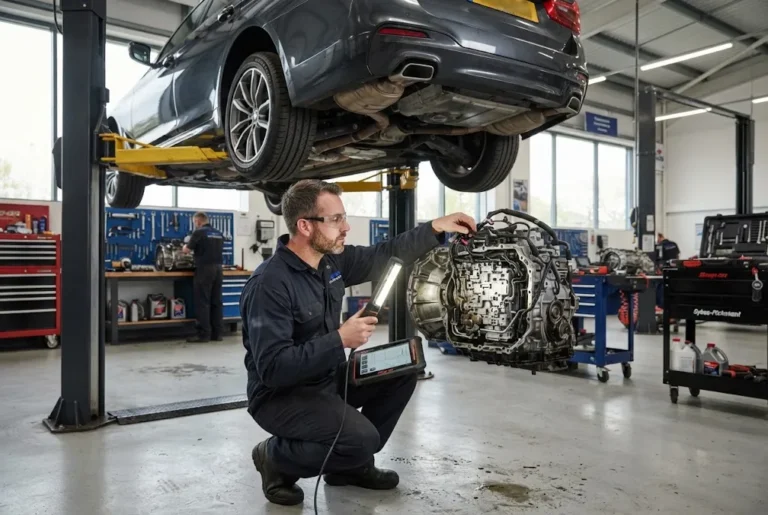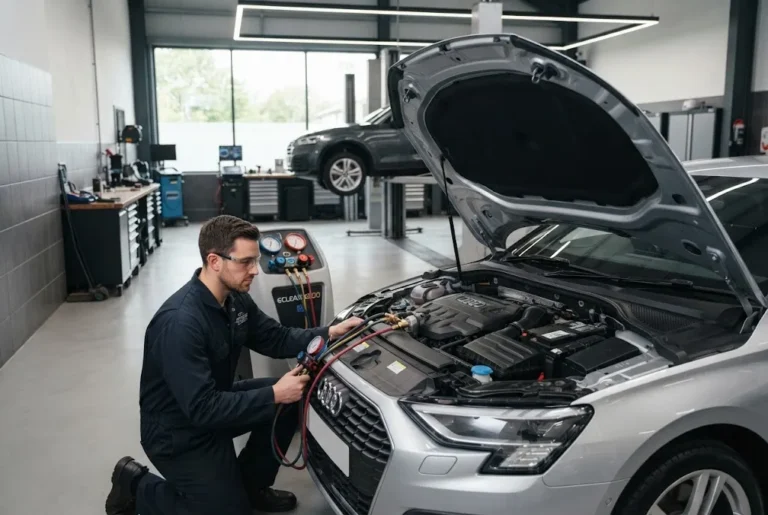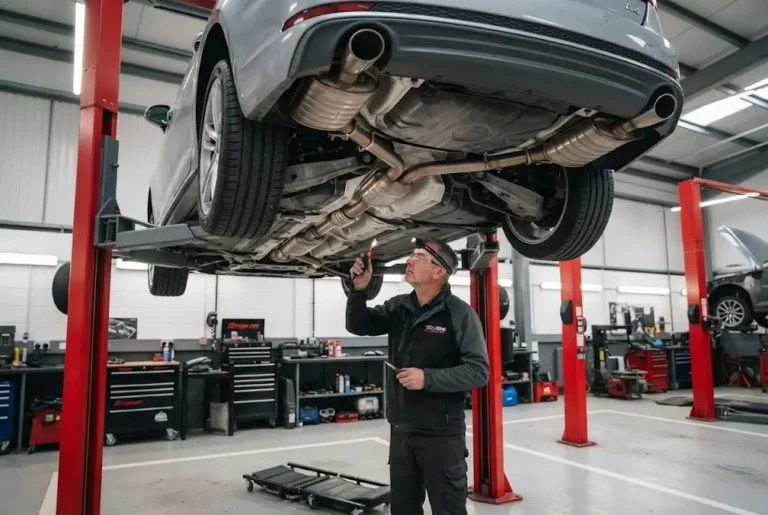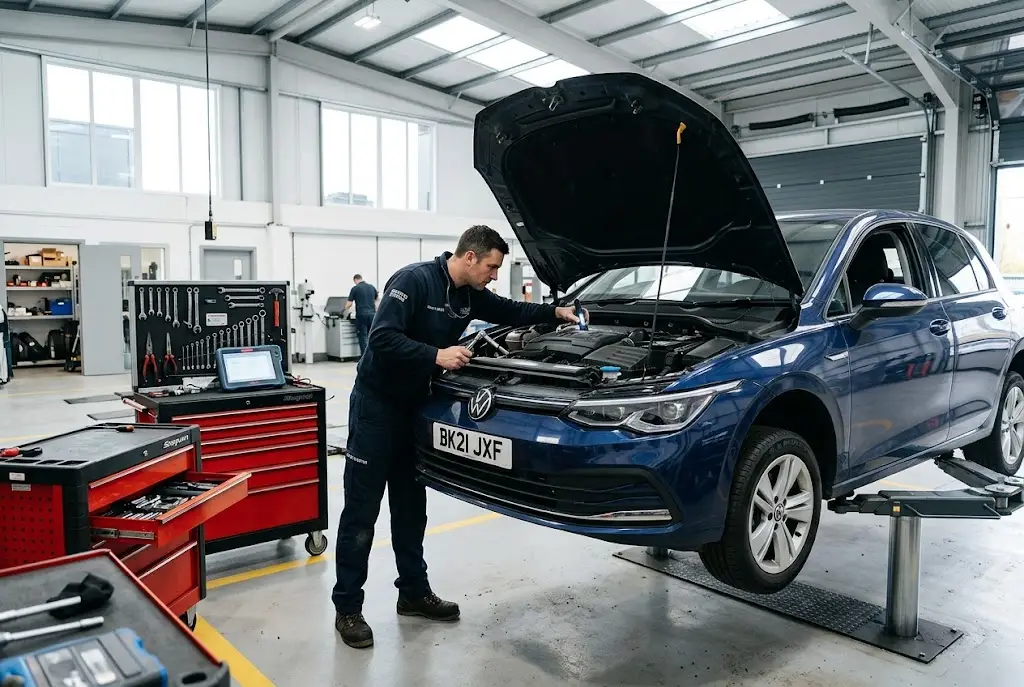
Car servicing is an important part of responsible vehicle ownership, yet many drivers are unsure what a service actually includes or how different service types compare. Clear servicing information can make it easier to understand maintenance requirements, recognise the importance of regular checks and make informed decisions when arranging work for a vehicle.
For automotive websites, servicing is also a valuable subject for educational content. A well-written guide can answer common questions while connecting readers with more detailed resources covering vehicle maintenance, repairs, inspections and manufacturer-specific requirements.
What Is Car Servicing?
Car servicing is a scheduled programme of checks and maintenance intended to help keep a vehicle operating as intended. The exact work carried out depends on the vehicle, its age, mileage, manufacturer recommendations and the type of service being performed.
A service is different from repairing a known fault. Servicing focuses on planned maintenance and inspection, whereas a repair normally addresses a specific problem or component failure.
However, the two areas often overlap. A service inspection may identify a developing issue that needs further investigation. Good servicing content should explain this distinction clearly so readers do not assume that a routine service automatically includes every possible repair.
Why Car Servicing Matters for UK Drivers
Regular maintenance can help owners keep track of the condition of their vehicles and identify issues that may require attention. It also provides an opportunity to review items that may become more important as a vehicle gets older or accumulates mileage.
Drivers should follow the maintenance recommendations relevant to their particular vehicle rather than relying solely on a generic timetable. Manufacturer guidance, dashboard information and the vehicle’s service history can all help establish what is due.
For websites producing automotive educational content, this makes servicing a particularly useful topic because it naturally leads into maintenance planning, inspections and repair guidance.
Different Types of Car Servicing
Not every service is identical. Automotive websites should explain the terminology carefully because service packages can vary between manufacturers, garages and vehicles.
Interim Service
An interim service is generally intended as a more limited maintenance check carried out between more comprehensive servicing intervals. The exact checks and replacement items depend on the vehicle and service schedule.
Content about interim servicing should avoid suggesting that every garage follows an identical checklist. Instead, readers should be encouraged to confirm what is included before booking.
Full Car Service
A full car service normally involves a broader set of inspections and maintenance tasks than an interim service. However, the precise contents can vary according to the provider and vehicle requirements.
A useful full car service guide should therefore focus on explaining the purpose of comprehensive servicing rather than presenting one universal checklist as applicable to every car.
Major Service
A major service is generally associated with more extensive scheduled maintenance. Depending on the vehicle and manufacturer’s requirements, it may involve additional checks or replacement of specific maintenance items.
Because service terminology is not always used consistently across providers, drivers should check the exact work proposed and compare it with the maintenance requirements for their vehicle.
What Can Be Checked During a Service?
The components and systems inspected during a service depend on the vehicle and the service schedule. Potential areas of attention can include fluid levels, filters, brakes, tyres, lights, steering, suspension and other important vehicle systems.
Some maintenance items are also time- or mileage-dependent. This is why service history matters. A technician needs relevant information about previous work to understand what maintenance may already have been completed.
Drivers looking for broader information can also explore vehicle maintenance guidance, which provides a wider framework for understanding planned vehicle care.
Car Servicing and Manufacturer Requirements
One of the most important considerations when discussing servicing is the manufacturer’s maintenance schedule. Different makes and models can have different requirements, and those requirements may change according to mileage, time and driving conditions.
This is why generic automotive blog writing should be careful when discussing service intervals. A statement that applies to one vehicle should not automatically be presented as a rule for every car.
Manufacturer-focused resources can provide more specific information. For example, readers researching BMW service requirements may need different information from someone researching a Ford or Toyota.
How Service History Helps
A complete and organised service history gives vehicle owners a record of maintenance that has already been carried out. It can help establish when particular work was completed and what may be due next.
Service records can also make it easier for a technician to understand a vehicle’s maintenance background. When information is missing, the appropriate next steps may require additional checks or confirmation.
For automotive publishers, service history is an excellent supporting subject because it connects routine servicing with maintenance planning and responsible vehicle ownership.
How Car Servicing Content Should Address Repairs
A service may reveal a condition that requires further work, but servicing content should not blur the difference between maintenance and repair.
For example, a technician might identify worn brake components during an inspection. The service itself and any subsequent repair are separate considerations, even though the inspection helped bring the issue to the owner’s attention.
This is where detailed auto repair services content can provide additional context. A dedicated repair resource can explain diagnosis and repair considerations without turning a servicing guide into an overly broad article.
Connecting Servicing With MOT Information
Another common area of confusion is the relationship between servicing and the MOT test. They are not the same thing and should be explained separately in educational automotive content.
An MOT is concerned with whether a vehicle meets the required standards for roadworthiness and environmental requirements at the time of the test. Servicing, by contrast, is planned maintenance intended to help keep the vehicle in suitable condition.
Because drivers often search for both subjects together, a dedicated MOT and service guide can provide a useful supporting resource without making every servicing article repeat the same information.
Writing Better Automotive Service Guides
High-quality automotive service guides should begin with the reader’s question. If someone searches for information about a full service, explain what the term means and what factors can affect the work involved.
Use clear subheadings to separate service types, maintenance considerations, service history and common questions. Short paragraphs also make technical subjects easier to understand on mobile devices.
Most importantly, avoid exaggerated claims. A service guide should inform readers rather than promise that servicing will prevent every breakdown or guarantee a particular vehicle outcome.
Use Specific Examples Carefully
Examples can make technical subjects easier to understand, but they should be clearly presented as examples rather than universal rules.
For instance, explaining how a service schedule may differ between a newer vehicle and a high-mileage vehicle can illustrate why maintenance requirements need to be checked individually.
Link to More Detailed Resources
Internal linking is particularly valuable for automotive websites because many subjects naturally overlap. A broad servicing article can link to focused resources about tyres, inspections, manufacturer servicing and repair services.
For example, readers who want more information about tyre services can move directly to a dedicated resource rather than searching through a general servicing page.
Common Car Servicing Content Mistakes
One mistake is treating all service packages as identical. Service terminology can vary, so writers should avoid presenting a single checklist as universal.
Another issue is overusing technical language. Automotive content should demonstrate knowledge while remaining understandable to ordinary drivers.
It is also important not to confuse servicing with MOT testing or repairs. Keeping these subjects distinct makes the information more accurate and creates opportunities for stronger topical organisation.
Finally, avoid repeating the same service information across multiple articles. Each page should have a clearly defined purpose within the wider automotive content cluster.
How Servicing Content Supports Automotive SEO
Car servicing is broad enough to support several related content formats. A pillar guide can introduce the topic, while supporting pages can address maintenance schedules, manufacturer servicing, inspections, MOT information and individual repair subjects.
This approach creates a stronger information architecture than publishing disconnected articles. Contextual internal links help readers discover related information and give search engines clearer signals about how the website’s content fits together.
Writers should also use related terminology naturally, including vehicle servicing, full car service, interim service, major service, service guides, automotive blog writing and educational content.
Final Thoughts on Car Servicing
Car servicing is an essential subject for automotive publishers because it answers practical questions that vehicle owners regularly face. The most useful content explains service types, maintenance requirements and service history without making unsupported claims or treating every vehicle as identical.
For an automotive website, servicing should also form part of a wider content strategy. Connecting servicing information with vehicle maintenance, repairs, inspections, tyres, manufacturer-specific resources and MOT guidance creates a more useful experience for readers.
When automotive publishing combines accurate information, clear writing, sensible internal linking and strong search intent, a single servicing guide can become an important part of a broader topical authority strategy.