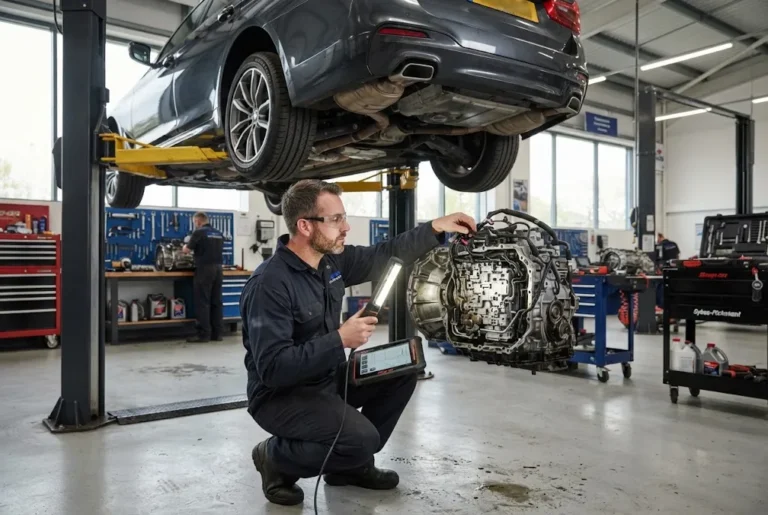
Auto exhaust repair is an important part of vehicle maintenance because the exhaust system helps direct combustion gases away from the engine and passenger compartment while supporting emissions control and quieter operation. Problems can range from a small leak or damaged hanger to failures involving the catalytic converter or other emissions components. Recognising the warning signs early can help drivers arrange an inspection before a minor fault develops into a more expensive repair.
The exhaust system is also closely connected to engine performance, emissions and overall vehicle condition. For that reason, an unusual noise, exhaust smell or visible damage should not simply be ignored. Understanding the difference between exhaust repair and full exhaust replacement can also help vehicle owners make more informed maintenance decisions.
What Is Auto Exhaust Repair?
Auto exhaust repair involves diagnosing and correcting faults affecting the exhaust system of a vehicle. Depending on the problem, a repair may involve fixing a leak, replacing a damaged section of pipe, repairing a mounting component or replacing a failed exhaust part.
The exhaust system can include several components, such as exhaust manifolds, pipes, catalytic converters, silencers, resonators, flexible sections, oxygen sensors and mounting hardware. The exact configuration varies between vehicles.
Because these components work together, identifying the actual source of a problem is important. A noisy exhaust, for example, does not necessarily mean that the rear silencer is the only component requiring attention.
Common Signs You May Need Auto Exhaust Repair
Exhaust problems can present themselves in several ways. Some signs are obvious, while others may initially seem unrelated to the exhaust system.
Unusual Exhaust Noise
A sudden increase in exhaust noise can indicate a hole, crack, loose connection or damaged silencer. A vehicle may develop a deeper, louder or rasping sound compared with its normal operating noise.
Changes in sound are particularly worth investigating when they appear suddenly. Exhaust components are exposed to heat, moisture, road debris and vibration, so deterioration can occur over time.
Exhaust Smell Inside the Vehicle
The Exhaust fumes should not normally enter the passenger compartment. If you notice unusual exhaust smells inside the vehicle, the issue should be investigated promptly rather than treated as a minor inconvenience.
Carbon monoxide is a colourless and odourless gas that can be produced by combustion engines. The UK government guidance on carbon monoxide highlights the health risks associated with exposure. A suspected exhaust leak therefore deserves appropriate attention.
Visible Damage or Rust
Exhaust components operate underneath the vehicle and are exposed to water, salt, dirt and road debris. Corrosion can eventually weaken pipes, silencers, brackets and other components.
Visible rust does not always mean immediate replacement is required, but heavy corrosion, holes, cracks or loose components should be assessed by a qualified technician.
Reduced Engine Performance
Some exhaust-related faults can be associated with changes in engine performance. Drivers may notice reduced acceleration, unusual engine behaviour or other changes in the way the vehicle operates.
However, performance problems can have many causes. An exhaust fault should therefore be confirmed through proper diagnosis rather than assumed from symptoms alone.
Auto Exhaust Repair and Catalytic Converters
The catalytic converter is a key part of many modern vehicle emissions systems. It helps reduce certain harmful pollutants in exhaust gases before they leave the vehicle.
Because catalytic converters contain specialised materials and form part of the vehicle’s emissions-control system, diagnosing a suspected failure correctly is important. A warning light, unusual smell or performance issue may have several possible causes, including sensor faults or other engine-management problems.
Replacing a catalytic converter without diagnosing the underlying problem can therefore result in unnecessary expense if another fault is responsible for the symptoms.
Exhaust Repair vs Exhaust Replacement
Not every exhaust problem requires replacement of the entire system. The appropriate solution depends on the condition and location of the fault, the vehicle design and the availability of suitable replacement components.
A repair may be appropriate when a specific component or connection can be safely restored. In other cases, corrosion or structural damage may make replacement the more suitable option.
Exhaust replacement may involve replacing an individual section or component rather than removing every part of the system. A professional assessment can establish what actually needs to be replaced.
How Exhaust Problems Develop
Several factors can contribute to exhaust deterioration. Heat cycles place repeated stress on exhaust components, while moisture and road contaminants can accelerate corrosion. Short journeys may also prevent the exhaust system from reaching and maintaining operating temperatures for long periods.
Road impacts can create another source of damage. A low exhaust component may strike a kerb, road debris or uneven surface, potentially bending or damaging a section of the system.
Mounting points and rubber hangers can also deteriorate. If an exhaust system is no longer securely supported, vibration and movement can place additional stress on connections and surrounding components.
Why Emissions Systems Matter
Modern exhaust systems do more than move gases away from the engine. They form part of the vehicle’s emissions-control system, which is why faults can affect both vehicle operation and compliance with applicable requirements.
For UK motorists, the condition of exhaust-related components can also become relevant during the MOT process. The official MOT inspection guidance for nuisance emissions covers emissions-related inspection requirements.
This makes emissions systems an important area of automotive maintenance rather than simply an issue of vehicle noise.
When Should You Book an Exhaust Inspection?
Drivers should consider professional inspection when they notice a persistent change in exhaust sound, visible damage, unusual fumes or other symptoms that could indicate an exhaust fault.
An inspection is particularly sensible after an impact underneath the vehicle or when a component appears loose. If the vehicle develops a dashboard warning light alongside unusual exhaust or engine behaviour, diagnosis can help identify whether the issue originates in the exhaust system or another vehicle component.
Routine checks can also be useful when the vehicle is already undergoing other maintenance. Combining inspections can help identify corrosion, damaged mounts or developing faults before they become more disruptive.
How Professional Auto Exhaust Repair Works
A technician will normally begin by assessing the reported symptoms and inspecting the exhaust system. Depending on the issue, this may include checking pipes, joints, mounting points, silencers, emissions components and related sensors.
The technician may then determine whether the fault can be repaired or whether a component requires replacement. The condition of surrounding parts should also be considered because replacing one damaged section may not address additional corrosion elsewhere in the system.
Good diagnosis is particularly important when an exhaust problem is accompanied by engine-performance symptoms. The exhaust system and engine management system can interact, so a broader inspection may be necessary.
Exhaust Maintenance and Wider Vehicle Care
Exhaust maintenance works best as part of a wider vehicle-care routine. Drivers should pay attention to changes in sound, smells, warning lights, tyre condition and handling rather than waiting for a component to fail completely.
For example, wheel alignment can help address steering and tyre-related maintenance concerns, while auto transmission service covers an entirely different but equally important vehicle system. Likewise, auto air conditioning service focuses on climate control rather than emissions.
These systems should not be treated as interchangeable maintenance tasks. Each has its own symptoms, components and servicing requirements. Understanding those differences makes automotive maintenance information more useful to vehicle owners.
Creating Useful Automotive Repair Guides
Clear educational content can help drivers understand automotive problems before visiting a workshop. Articles covering exhaust repair, catalytic converters and emissions systems can form part of a broader automotive information resource when each topic addresses a distinct search intent.
For publishers and automotive businesses, related subjects can be organised into an automotive content marketing strategy. Supporting guides about vehicle maintenance, diagnostics and repair terminology can then provide useful pathways between closely related topics without repeating the same information.
Final Thoughts on Auto Exhaust Repair
Auto exhaust repair covers a wide range of possible faults, from damaged pipes and mounting components to problems involving silencers and emissions-control equipment. Unusual noise, visible corrosion, exhaust smells or changes in vehicle performance can all justify further investigation.
The right solution depends on the actual condition of the vehicle. Some faults may be repairable, while badly corroded or damaged components may require replacement. Professional diagnosis is therefore important before deciding what work is necessary.
By treating the exhaust system as part of the vehicle’s wider maintenance routine, drivers can respond to warning signs earlier and better understand the relationship between exhaust components, emissions, performance and roadworthiness.