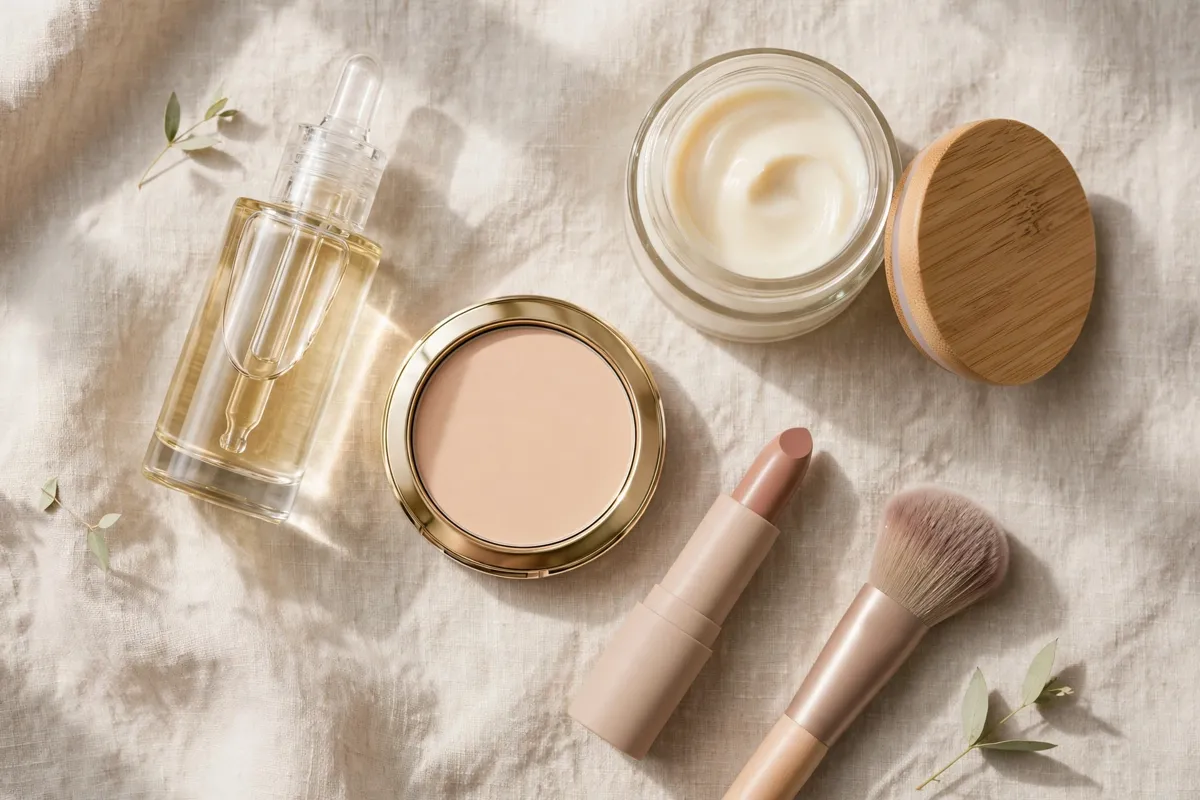
Searching for the best beauty products can feel confusing, because every shelf, advert and social feed seems to promise a different winner. In reality, there is no single product that suits everyone. The best choice for dry, sensitive skin may be a poor fit for oily skin, and a foundation shade that looks natural on one person may look wrong on another. That is why this guide treats ‘best’ honestly: it means best for you, for your skin type, your routine and your budget. Whether you are comparing the best beauty products UK shops stock in store or browsing online, the questions below will help you choose with confidence rather than guesswork.
This guide launches the Beauty section on ProWriter UK for shoppers who want practical help, not a fake ranking. You will not find invented scores or miracle promises here. Instead, you will find a clear method for judging fit, understanding the categories, comparing like with like and reading reviews critically.
What ‘Best’ Really Means When You Shop for the Best Beauty Products
Labels such as best skincare products and best makeup products are useful starting points, but they are only shorthand. A product earns that label for a particular person when it does the job it is bought for, feels comfortable to use, fits a routine they will actually keep, and offers fair value for the amount used. A luxurious cream that sits untouched in a drawer is not better than a simpler one used every morning, and a budget buy in a shade you never wear is not a saving. Judge every category below by fit, comfort, ease of use and value, never by hype alone.
How to Judge a Product Before You Buy
Good decisions start before you look at brands. Work through four checks — skin type, ingredients, patch testing and price per use — and you will narrow a crowded market to a shortlist of the best beauty products for your skin and budget.
Start With Your Skin Type and Concerns
Most people have a broad sense of their skin: dry, oily, combination, normal or sensitive, and it can change with the seasons, age and the products already in use. Note how your skin feels by midday, whether it feels tight after cleansing, and which areas tend to shine or flake. Choose textures to match: richer creams often suit drier skin, while lighter gels and lotions can feel more comfortable on oilier skin. If you are unsure, start with gentle options in smaller sizes where available, and build slowly.
Read Ingredients in General Terms
You do not need a chemistry degree, but basic ingredient literacy helps. Ingredients lists follow a standard naming system for cosmetics sold in the UK, so the same ingredient appears under the same name across brands. Learn to spot a few broad groups: humectants and emollients are there for moisture and comfort, while exfoliating acids and retinoids are stronger actives that are usually introduced gradually and used as the label directs. Check for anything you know your skin dislikes, note whether fragrance is present if that matters to you, and be wary of promises of instant, dramatic change.
Patch Test and Introduce One Thing at a Time
Patch testing is simple and sensible, especially with a new active product or if your skin is reactive. Apply a small amount in a discreet area, such as behind the ear or along the jaw, and wait as the directions suggest before using it more widely. Introduce one new product at a time, with a few days between additions, so you can tell which product was responsible if something does not suit you. If a persistent reaction develops, stop using it and, where needed, seek advice from a pharmacist or other qualified professional.
Think About Price Per Use, Not Just Price
A large bottle that lasts for months of daily use may offer better value than a small, cheaper pot replaced every few weeks. Divide the price by the rough number of times you expect to use the product, then ask whether the result feels reasonable for your budget. The same value-first thinking appears in our guide to car service cost, where the headline price only makes sense once you know what is included. Check sizes carefully, too, when you compare two similar products side by side.
Skincare Categories: What Good Looks Like
Skincare is the foundation of most routines, and the best skincare products are usually the ones that do a simple job consistently well. Four categories cover most needs.
Cleanser
A cleanser should remove the day’s makeup, sunscreen and general grime while leaving skin feeling clean rather than tight or squeaky. Gel and foam textures are often chosen for oilier skin, while cream and balm textures can feel kinder on drier skin. If you wear heavier makeup, a two-step evening cleanse — first to break down makeup, then a gentle second wash — may help, but keep it comfortable: cleansing is not the step to scrub or overdo.
Moisturiser
A moisturiser’s job is comfort and hydration support: skin that feels soft, calm and not tight. Day creams are often lighter and sit well under makeup, while night creams can be richer. Look at texture first, because the moisturiser you enjoy applying is the one you will use. For many people searching for the best skincare UK ranges offer, the honest answer is a short list matched to their own skin, not the longest routine.
SPF
SPF products sit in many daytime routines and are labelled with a protection level. Choose a texture you will apply generously — a fluid, gel or cream — and follow the amount and reapplication guidance on the label, particularly on days spent outdoors. No cosmetic product should be treated as complete protection on its own. The practical test is simple: the best SPF for you is the one you will actually wear every day.
Serums and Treatments
Serums are concentrated, targeted steps that sit between cleansing and moisturising, and they are optional rather than essential. People choose them for general goals such as adding moisture, supporting a more even look, or caring for blemish-prone skin, but results vary and no serum should be bought on a promise of transformation. Introduce one at a time, follow the label’s frequency guidance, and layer sensibly: too many actives at once can leave skin uncomfortable and make it impossible to tell what is helping.
Makeup Categories: Shade, Finish and Wear
With makeup, fit is mostly about shade, finish and how a product wears through a normal day. The best makeup products for you match your skin tone and undertone, suit the finish you like — matte, satin or dewy — and still feel comfortable hours later.
Base Products
Foundation, tinted moisturiser and concealer differ mainly in coverage. Test shades along the jaw in natural light where possible, and allow a few minutes for the colour to settle before deciding. Undertone matters as much as depth: warm, cool and neutral shades can look quite different even at the same depth. If you are between shades, a lighter-coverage base is often more forgiving. Many of the best cosmetics counters will offer a sample or shade help, so ask before you commit to a full bottle.
Mascara and Eye Basics
Mascara formulas vary in the effect they aim for — length, volume or definition — and brushes make a real difference. Choose by the look you prefer and by how easily the product removes at the end of the day, especially if your eyes are sensitive. Replace mascara regularly as directed, and avoid sharing eye products.
Lip Products
Lipstick, tinted balm and gloss are a low-risk way to experiment. Check the shade against your own lip colour in daylight, think about finish and staying power, and consider comfort: a formula that feels drying is unlikely to become a favourite. Use testers hygienically where they are provided, and start with one shade you know you will reach for.
How to Compare Products and Read Reviews Critically
Good beauty product comparisons look like for like: same category, similar size, similar purpose and the same checks used above. Write a short side-by-side list — texture, key ingredients in general terms, size, price per use and sample options — before brand reputation sways you. Our used cars buying guide makes the same point for a bigger purchase: the best buy is rarely the cheapest headline, and a fair comparison covers the whole picture.
Treat beauty product reviews and beauty product recommendations as evidence to weigh, not verdicts to obey. Look for reviewers whose skin type, age and concerns sound like yours, read the critical comments as carefully as the glowing ones, and be alert to reviews that repeat marketing language without describing actual use. A product with mixed reviews may still suit you if the complaints concern a scent or texture you like. Samples and one careful purchase at a time will teach you more than any single review.
Budget vs Premium: Where Extra Money Does and Does Not Help
Price alone does not tell you where a product sits on quality. Budget ranges can be a sensible choice for everyday basics such as cleansers and simple moisturisers, where price per use matters most. Premium products sometimes offer finer textures, more elegant packaging or a wider shade range, which can be worth paying for in a base product worn daily. What extra money cannot do is guarantee that a formula suits your skin. Spend first on products you use most and on correct shade matches, and never stretch a budget for a logo.
Where to Buy the Best Beauty Products in the UK
UK shoppers looking for the best beauty products usually choose between high-street chemists such as Boots and Superdrug, department stores with beauty counters, and online specialists that carry wider shade and brand ranges. Chemists make everyday basics easy to find, counters offer shade matching and samples, and online shopping makes comparison and repeat buying convenient. Buy from the retailer itself or its official site, check the returns approach for unopened items before ordering, and be cautious of unusually cheap listings from unknown sellers, where condition and authenticity are hard to verify.
A Short Decision Checklist Before You Buy
Before you pay, run through this checklist. It takes two minutes, and it captures the same keep-good-records habit described in our auto care services guide: small notes made at the time save guesswork later.
- I know my skin type and the one job I want this product to do.
- I have checked the ingredients in general terms for anything I avoid.
- I have patch tested it, or planned to before full use.
- The shade, finish or texture matches in natural light.
- I have worked out the rough price per use and it fits my budget.
- I have compared it with at least one like-for-like alternative.
- I have read reviews from people with similar skin, not just star ratings.
- I am buying from a retailer I trust, and I know its returns approach.
Final Thoughts
Finding the best beauty products is a skill, not a lottery. Start with your skin, learn a little ingredient literacy, test carefully, compare honestly and let your own experience outrank other people’s enthusiasm. Build a small routine of products that suit you, and replace them thoughtfully as your skin and the seasons change.