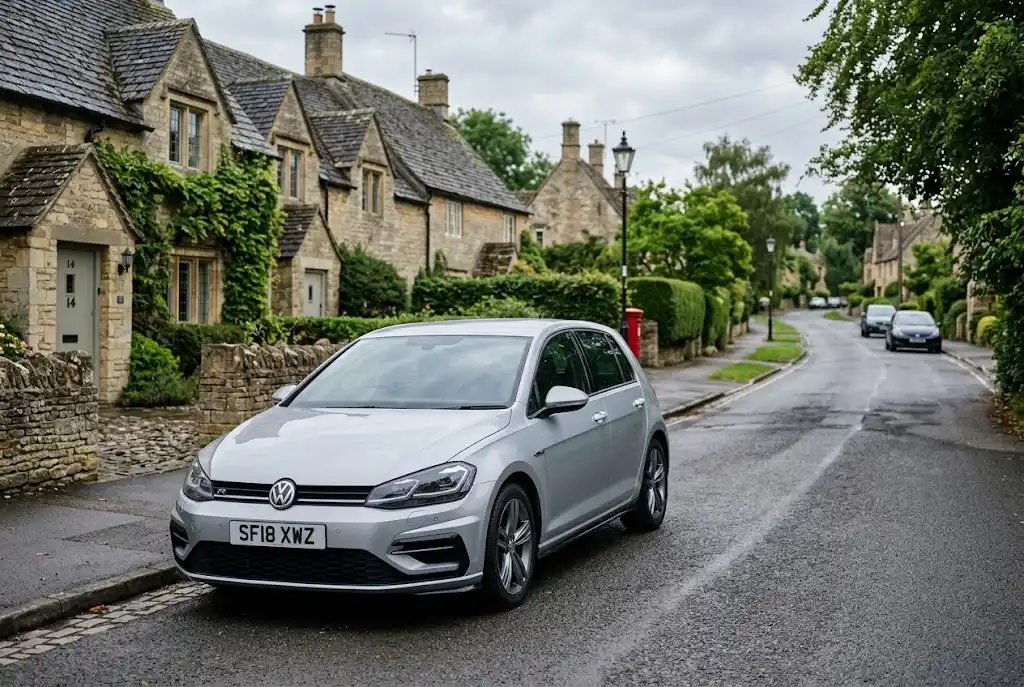
Buying used cars can be a smart way to get a dependable vehicle without paying the price of a brand-new model. However, choosing the right second-hand car requires more than comparing asking prices. Buyers need to consider the vehicle’s history, condition, mileage, servicing record, running costs and likely reliability. With the right approach, you can narrow down your options, identify potential problems and make a more confident purchase.
This guide explains the key areas to consider when shopping for a used vehicle in the UK. Whether you are buying from a dealer or a private seller, these practical checks can help you understand what you are actually paying for and avoid common mistakes.
How to Choose the Right Used Cars
The best used cars are not necessarily the cheapest vehicles available. A low purchase price can become expensive if the car needs major repairs shortly after you buy it. Instead, look at the overall value of the vehicle and how well it matches your daily requirements.
Start by deciding what type of driving you normally do. A small petrol car may suit someone who mainly makes short urban journeys, while a larger vehicle could be more appropriate for regular motorway travel or family use. Your annual mileage, parking situation, passenger needs and expected ownership period should all influence the decision.
It is also useful to establish a realistic budget before searching. Remember that the purchase price is only one part of the cost. Insurance, fuel, vehicle tax where applicable, servicing, tyres, MOT testing and unexpected repairs can all affect the long-term cost of ownership.
Check the Vehicle History Before Buying
A vehicle’s history can reveal information that is not immediately obvious during a viewing. Before agreeing to buy, check the registration details and compare the information available about the vehicle with what the seller has told you.
Important areas to investigate include previous MOT results, recorded mileage, outstanding finance, insurance write-off history and whether the vehicle has been reported stolen. You should also check that the registration number, VIN and other identifying details correspond with the vehicle and its documentation.
The GOV.UK vehicle information service can help buyers check official information held about a vehicle. It is particularly useful for confirming MOT and tax-related details before making a purchase.
A vehicle history check can provide additional information, but it should not replace a physical inspection. A clean history report does not automatically mean that a vehicle is mechanically perfect.
Review the Service and Maintenance Record
A consistent service history can provide useful evidence about how a vehicle has been maintained. Ask to see invoices, service records and other documentation rather than relying solely on a seller’s verbal description.
Look for evidence that routine maintenance has been carried out at appropriate intervals. Depending on the model, this could include engine oil and filter changes, brake maintenance, coolant checks, spark plug replacement, timing belt work and other manufacturer-recommended items.
If the vehicle has recently had significant work completed, ask what was replaced and whether supporting invoices are available. A well-documented maintenance record can make it easier to understand what has already been done and what may be required next.
For buyers researching maintenance before committing to a particular vehicle, detailed used car buying guides can provide a useful way to compare ownership considerations across different models.
Inspect the Car in Person
Photographs can make a vehicle look better than it does in person, so an inspection should be an essential part of the buying process. If possible, view the car during daylight and when it is dry. Poor lighting or wet bodywork can make certain defects difficult to spot.
Check the Exterior
Walk around the vehicle slowly and look for inconsistent paintwork, dents, scratches and signs of previous repairs. Pay attention to gaps between body panels because uneven spacing can sometimes indicate previous accident damage or poorly completed repairs.
Check the condition of the tyres as well. Look at tread depth, signs of uneven wear and whether all four tyres are in a similar condition. Uneven tyre wear can sometimes indicate alignment, suspension or steering problems.
Check the Interior
Inside the vehicle, inspect the seats, carpets, dashboard, controls and trim. Excessive wear may be inconsistent with the claimed mileage, although interior condition alone should never be treated as proof that a mileage reading is inaccurate.
Test important electrical features, including windows, mirrors, lights, climate controls, infotainment equipment and dashboard warning systems. Small faults can become expensive if several electrical components require attention after purchase.
Always Take a Proper Test Drive
A test drive gives you an opportunity to assess how the vehicle behaves on the road. Do not limit the drive to a few minutes around the seller’s street. Where appropriate and safe, experience different speeds and road conditions.
Pay attention to unusual noises, vibrations, steering behaviour, braking performance and clutch operation. The engine should start appropriately for the vehicle and should not produce obvious abnormal noises once running.
Check that the gearbox changes smoothly and that the vehicle accelerates and brakes without unusual hesitation or pulling. If you notice something that does not feel right, ask the seller about it rather than assuming that it is normal.
If you are not confident assessing mechanical condition yourself, consider arranging an independent inspection before committing to the purchase. Paying for professional advice can be worthwhile when it helps identify a problem that could otherwise result in a substantial repair bill.
Compare Reliability and Running Costs
Reliability should form an important part of your research, but it is better to consider the complete ownership picture rather than relying on a simple reputation. Different engines, transmissions, trim levels and production years can have different maintenance requirements.
Research the specific model and engine combination you are considering. Look for information about routine servicing, commonly replaced components, fuel consumption and known maintenance requirements. This can give you a more realistic idea of what ownership may involve.
It is also worth comparing insurance costs before buying. Two vehicles with similar purchase prices can have significantly different insurance premiums, particularly when engine size, performance and driver circumstances vary.
Used Car Buying Guides Can Make Research Easier
Research can quickly become overwhelming when you are comparing several makes and models. Good used car buying guides can help organise the process by focusing attention on the areas that matter most before purchase.
A useful comparison should cover more than specifications. Consider reliability, service requirements, practical usability, typical running costs and the availability of replacement parts. You should also consider whether the vehicle suits your driving habits rather than choosing solely because a particular model has a strong reputation.
This approach becomes especially useful when comparing similar vehicles from different manufacturers. One car might have a lower purchase price, while another could offer a stronger maintenance record or better suitability for your intended use.
Understand Dealer and Private Sales
The type of seller can affect the buying process and the protections available to you. Buying from a dealer can offer additional consumer protections compared with a private sale, although the exact position depends on the circumstances and the nature of the transaction.
Private sellers may offer lower prices, but buyers should carry out their own checks carefully and make sure they understand who they are buying from. Never allow pressure from a seller to make you skip important checks.
Before paying a deposit or transferring money, confirm the vehicle details and understand the terms of the transaction. Keep copies of relevant advertisements, receipts, messages and other documentation connected with the purchase.
Consider the Total Cost of Ownership
The purchase price is only the beginning of your ownership costs. Before choosing between two vehicles, estimate the expenses you are likely to face over the first year or two.
Consider fuel, insurance, routine servicing, MOT costs, tyres and likely maintenance. If the car has a high mileage or is approaching a major service interval, investigate what work may soon become necessary.
It can also be sensible to keep an emergency repair fund. Even a well-maintained second-hand vehicle can develop an unexpected fault, particularly as components naturally wear with age and mileage.
Common Mistakes to Avoid When Buying Used Cars
One of the biggest mistakes is focusing too heavily on price. A bargain that requires immediate repairs may cost more than a slightly more expensive vehicle in better condition.
Another common mistake is accepting a seller’s claims without checking the available evidence. Verify the mileage, service history and vehicle details independently wherever possible.
Buyers should also avoid rushing because they are worried that another person will purchase the car first. If a vehicle has serious problems, walking away is usually better than making an emotional decision.
Finally, do not overlook the importance of a test drive and physical inspection. Online research can narrow your choices, but it cannot replace seeing and driving the actual vehicle.
Final Thoughts on Buying Used Cars
Buying used cars successfully comes down to careful research, realistic budgeting and thorough checks. A vehicle with a sensible price, documented maintenance, suitable specifications and good overall condition can provide excellent value, but buyers should always look beyond the headline price.
Start with your practical requirements, research suitable models, check the vehicle history and service records, inspect the car carefully and take a proper test drive. If anything remains unclear, seek independent advice before completing the purchase.
Taking your time can make the difference between simply finding a cheap second-hand car and finding a vehicle that represents good value throughout its ownership.