Auto care services cover the routine maintenance, servicing, inspections and repairs that help UK drivers look after their vehicles. For many motorists, however, understanding which service they need is not always straightforward. A dashboard warning, unusual noise or approaching service interval can create questions about whether a car needs routine maintenance, professional diagnosis or a specific repair.
Good automotive information can make these decisions easier. Instead of treating vehicle care as a collection of unrelated tasks, drivers can understand how servicing, maintenance, inspections and repairs fit together. This guide explains the main areas of auto care and how useful automotive information can help readers make more informed decisions.
What Are Auto Care Services?
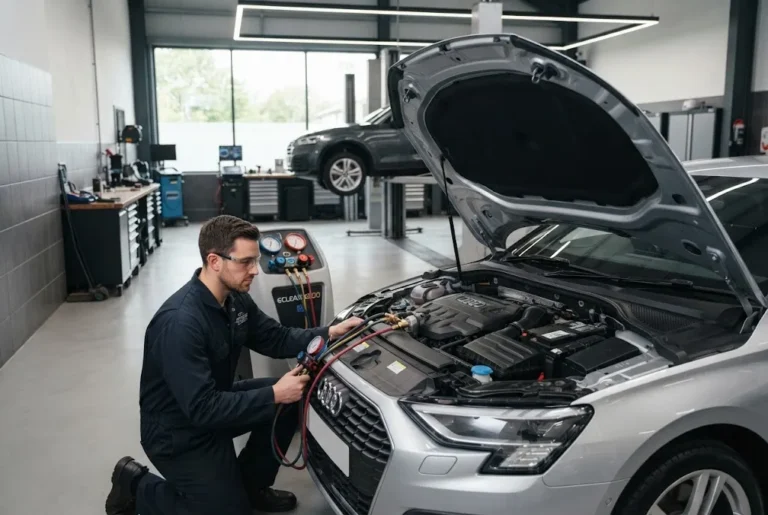
Auto care services are the range of professional and routine activities involved in maintaining a vehicle and addressing issues that may affect its condition. Depending on the vehicle and provider, this can include scheduled servicing, maintenance checks, diagnostics, inspections, repairs, tyre-related work and other specialist services.
The exact requirements vary between vehicles. A newer car may follow a different maintenance schedule from an older, high-mileage vehicle, while hybrid and electric vehicles can have different servicing considerations from conventional petrol or diesel cars.
For that reason, effective automotive content should avoid suggesting that one universal checklist applies to every vehicle. Manufacturer information, service history and professional assessment all have an important role in determining appropriate care.
Why Auto Care Services Matter
Vehicles experience normal wear and tear throughout their working lives. Tyres deteriorate, fluids require attention, components wear and electronic systems can produce warning messages when something needs investigation.
Regular attention gives drivers an opportunity to stay informed about their vehicle’s condition rather than waiting until a minor issue develops into a more significant problem. It does not guarantee that a vehicle will never break down, but it can support more organised vehicle ownership.
Auto care is also about understanding when professional assistance is appropriate. A driver may be able to perform simple visual checks, but diagnosing a complex mechanical or electrical problem may require specialist equipment and technical knowledge.
What Do Auto Care Services Include?
The services available will differ between garages, workshops and specialist providers. However, several broad areas commonly form part of vehicle care.
Routine Vehicle Maintenance
Routine maintenance involves keeping track of the vehicle’s condition between scheduled professional appointments. Drivers may monitor tyre condition and pressures, relevant fluid levels, lights, warning indicators and unusual changes in how the vehicle sounds or behaves.
These checks should be carried out in accordance with the vehicle manufacturer’s guidance. They are not a replacement for professional servicing or repair work, but they can help owners recognise when further attention may be necessary.
Car Servicing
Servicing is planned maintenance based on the requirements of a particular vehicle. Depending on the manufacturer and service provider, different service packages may be available.
A service can involve checking various components and systems, with the precise work depending on factors such as mileage, vehicle age, service history and manufacturer recommendations.
Our car servicing guide provides more detail on interim, full and major servicing and explains why service terminology should not automatically be treated as identical between providers.
Vehicle Inspections
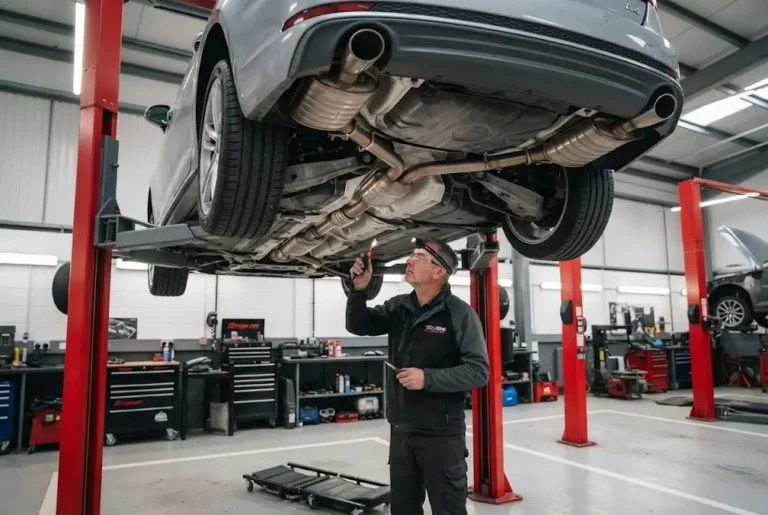
Inspections can provide a broader assessment when a driver wants to understand the condition of a vehicle or investigate a concern. They can be particularly useful when purchasing a used vehicle or when a problem requires closer examination.
An inspection may cover areas such as the exterior, tyres, brakes, suspension, mechanical components and accessible electrical systems. The scope varies, so drivers should establish exactly what is included before booking.
For readers researching this subject in greater depth, our guide to auto inspection services explains inspection reports, vehicle checks and the difference between an inspection and an MOT.
Diagnostics and Repairs
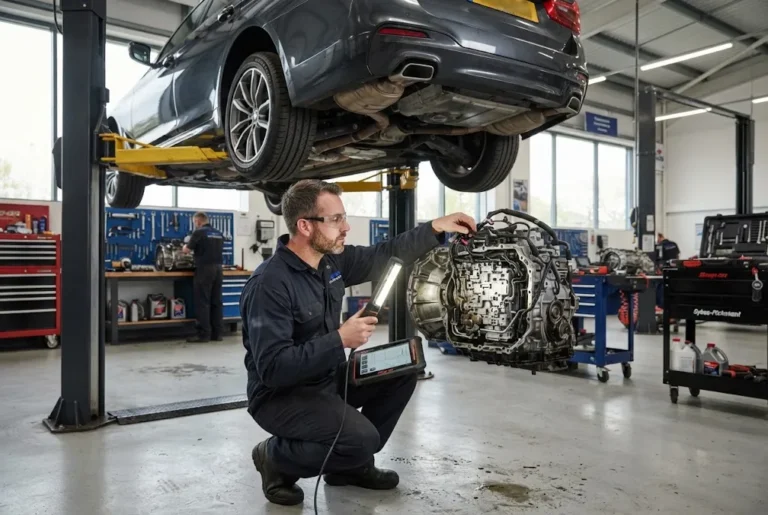
When a vehicle develops a specific fault, professional diagnosis may be required before repair work can be recommended. A warning light or unusual symptom does not always point to one obvious cause.
Diagnostic equipment can provide useful information, but the results still need to be interpreted alongside physical inspection and other relevant tests. Once the underlying problem has been established, the appropriate repair can be considered.
This distinction is important because good auto care information should not promise a diagnosis based solely on a short description of a symptom.
Auto Care Services and Customer Education
Automotive businesses have an opportunity to help customers understand vehicle care through useful educational content. A driver who understands the purpose of a service is generally better placed to ask relevant questions and evaluate the information provided by a workshop.
Customer education does not need to be highly technical. In many cases, readers simply want to know what a service involves, why it may be recommended, what signs to look for and what information they should have available when contacting a professional.
This makes clear automotive blogs particularly valuable. A well-planned article can answer a common question without turning the content into an aggressive sales message.
How Automotive Blogs Can Explain Technical Topics
Automotive writing works best when technical knowledge is translated into practical language. Most readers are not trained technicians, so excessive jargon can make otherwise useful information difficult to follow.
A strong automotive article should introduce the main issue early, explain relevant terminology and then provide practical context. Short paragraphs, descriptive headings and examples can make technical subjects easier to understand.
For example, an article about brake maintenance does not need to explain every engineering principle behind a braking system. It can focus on what the system does, common signs that something may require attention and why professional assessment can be appropriate.
The same principle applies to diagnostic content, servicing guides and inspection explainers. The objective is to improve understanding without pretending that online information replaces an examination of the actual vehicle.
Auto Care Services vs MOT Testing
UK drivers should also understand that general vehicle care is not the same as an MOT test. An MOT assesses an eligible vehicle against specific testing requirements at the time of the test, while servicing and other auto care activities have broader maintenance purposes.
A vehicle can pass an MOT while still approaching its scheduled service interval. Equally, a service can identify a maintenance concern without being an MOT test.
Drivers can refer to the UK Government’s MOT guidance for official information about MOT testing. Automotive publishers should use authoritative sources when discussing regulations, legal requirements or testing standards.
Choosing the Right Auto Care Service
The right service depends on the reason for seeking assistance. A driver preparing for a scheduled maintenance interval may need a service, while someone experiencing a warning light may need diagnosis or inspection first.
Before arranging work, consider the following:
- What problem or maintenance requirement has prompted the appointment?
- What does the provider’s service package actually include?
- Does the vehicle have a relevant maintenance or service history?
- Is professional diagnosis required before repair work can be identified?
- Does the provider have appropriate experience for the vehicle or issue?
- Will the provider explain findings and recommended work clearly?
Asking these questions can help prevent confusion between routine maintenance, diagnosis and repair.
How Service History Supports Better Vehicle Care
Keeping a service and maintenance record gives both owners and technicians useful background information. It can show when previous servicing took place, which components were replaced and whether particular issues have appeared repeatedly.
This information can be especially useful with older vehicles. Without a reliable record, it may be harder to establish what maintenance has already been completed and what might need further attention.
Good records can include invoices, service documentation and relevant digital maintenance information. Owners should keep these records organised so that important details are available when arranging future work or discussing a vehicle’s condition with a professional.
Auto Care Services for Used-Car Buyers
Auto care becomes particularly important when buying a used vehicle. A buyer may want to understand not only how a car looks but also its mechanical condition and likely maintenance requirements.
An independent inspection can provide additional information before a purchase. The findings can then be considered alongside the vehicle’s service history, available MOT information and other relevant records.
Buyers should avoid treating an inspection as a guarantee that the vehicle will remain problem-free. It is an assessment at a particular point in time and within the scope of the inspection performed.
For automotive publishers, this is a useful example of why related subjects should be connected through contextual internal links. A general auto care article can introduce the subject, while dedicated inspection, servicing and repair pages provide deeper information.
Common Mistakes in Automotive Service Content
Automotive websites can lose credibility when their content oversimplifies vehicle care. One common mistake is presenting a generic maintenance schedule as though it applies to every make and model.
Another is confusing servicing with repairs. A service may identify a problem, but the subsequent repair is a separate piece of work. Similarly, an MOT should not be described as a complete mechanical inspection.
Writers should also avoid making unsupported claims about reliability, repair outcomes or safety. Automotive content should provide useful guidance while acknowledging that the actual condition of a vehicle can only be established through appropriate assessment.
Finally, avoid publishing several pages that answer essentially the same question. Each article should have a defined purpose within the wider content cluster.
Planning Better Automotive Blogs
A strong automotive blog can cover a wide range of subjects without becoming repetitive when each topic has a clear search intent. One article might focus on scheduled servicing, another on vehicle maintenance, another on inspections and another on repairs.
These articles can then support one another through relevant internal links. For example, a servicing article can point readers towards maintenance guidance, while an inspection article can introduce related repair information when a potential fault is identified.
This structure improves the reader journey and creates a more organised automotive information resource. It also gives publishers opportunities to build topical authority without forcing every keyword into every article.
How Auto Care Services Content Supports SEO
Automotive SEO works best when content is organised around genuine questions and clearly defined topics. The primary subject should remain obvious, while related terminology can be incorporated naturally to provide semantic context.
For an automotive website, supporting topics can include vehicle maintenance, car servicing, diagnostics, inspections, repairs, tyres, MOT information and manufacturer-specific servicing. Each page should have its own purpose rather than competing directly with another page.
Internal linking should follow the same principle. A link should give readers a logical next step and lead to a resource that adds information rather than simply increasing the number of links on a page.
Our broader auto services content guide explores how automotive service pages, maintenance guides, repair explainers and educational content can work together within a broader publishing strategy.
Building a Useful Auto Care Resource
The strongest automotive websites treat content as an information system rather than a collection of disconnected blog posts. A reader may begin with a basic maintenance question and then need information about servicing, inspection, diagnosis or repair.
When these resources are connected naturally, readers can move from one subject to another without repeatedly searching for basic explanations. At the same time, each article can remain focused on its own search intent.
This approach also makes future content planning easier. New subjects can be added to the existing structure without forcing unnecessary repetition into older articles.
Final Thoughts on Auto Care Services
Auto care services cover much more than routine servicing. They include the wider processes involved in maintaining a vehicle, understanding its condition, investigating problems and arranging appropriate professional work.
For UK drivers, the most useful approach is to follow vehicle-specific maintenance guidance, keep reliable service records, pay attention to changes in vehicle behaviour and seek professional assessment when a concern requires specialist knowledge.
For automotive publishers, the opportunity is equally clear. Useful service articles should educate rather than overwhelm, distinguish between maintenance and repair, and connect readers with deeper resources when appropriate. With thoughtful content planning and contextual internal linking, automotive blogs can provide genuine reader value while building a strong foundation for long-term topical authority.