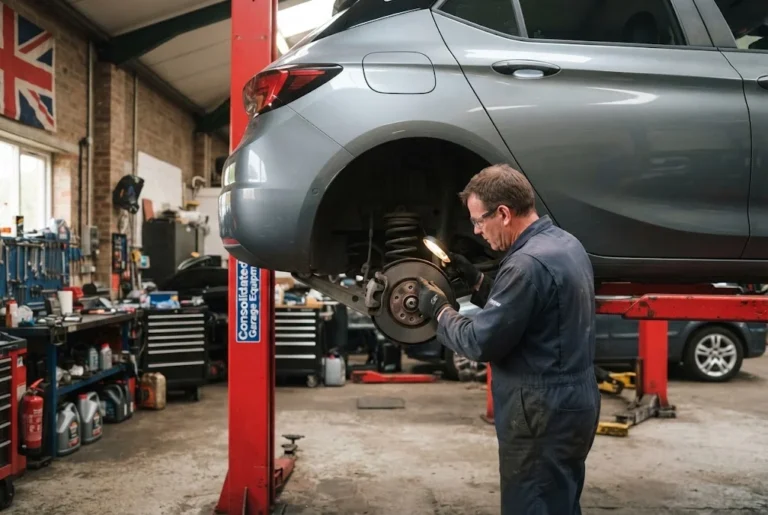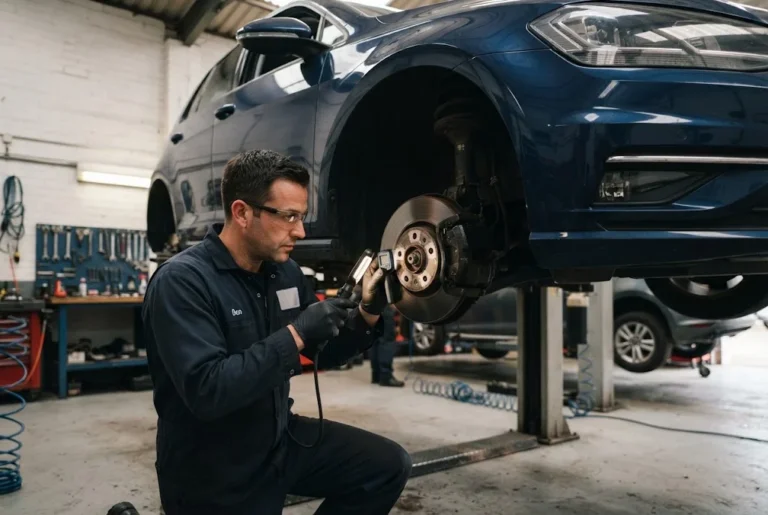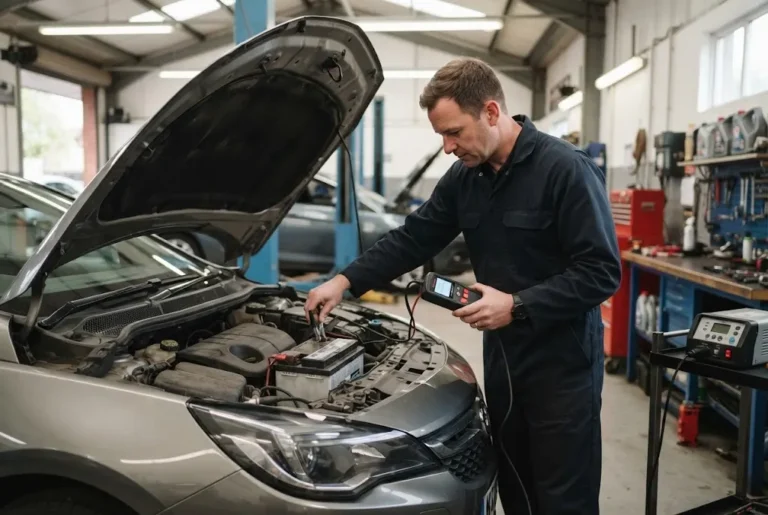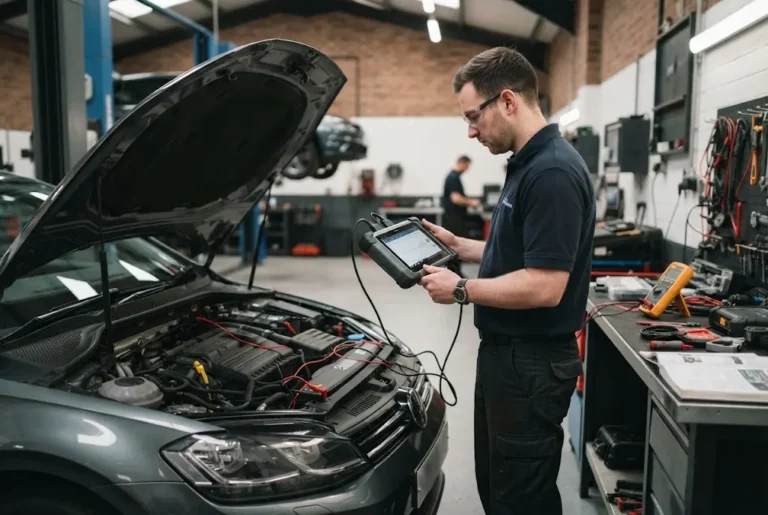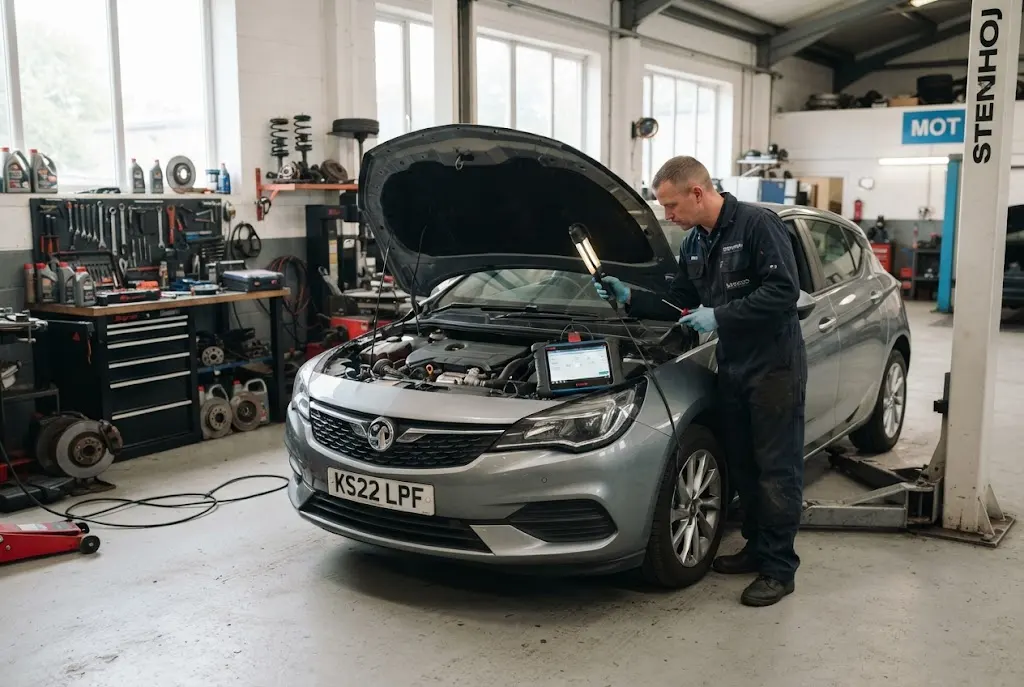
Professional auto inspection services can reveal problems that are easy to miss during everyday driving. A thorough inspection looks beyond whether a vehicle starts and runs, helping identify concerns involving brakes, steering, suspension, tyres, electrical systems, warning lights and other safety-critical components. For UK drivers, understanding what an inspection covers can make it easier to recognise problems early and decide when professional attention is appropriate.
An inspection is also useful when buying a used vehicle, preparing for an MOT, investigating an unfamiliar noise or dashboard warning, or checking a car after a repair. While an inspection is not the same thing as an MOT, it can provide a broader practical assessment of a vehicle’s condition depending on the service requested.
What Do Auto Inspection Services Check?
The exact scope varies between garages and inspection packages, but a comprehensive vehicle inspection can examine many of the systems that affect safety, reliability and drivability.
Common inspection areas include:
- Braking components and brake operation
- Steering components and steering response
- Suspension components and vehicle stability
- Tyres, wheels and visible signs of damage
- Lights, indicators and electrical equipment
- Battery and charging-system condition
- Fluid levels and visible leaks
- Engine-bay components
- Exhaust and emissions-related components
- Dashboard warning lights and fault indications
- Visible bodywork and structural concerns
The Driver and Vehicle Standards Agency’s MOT inspection manual provides detailed inspection requirements for areas including brakes, steering, visibility, electrical equipment, wheels, tyres and suspension. However, a private vehicle inspection can be arranged for purposes beyond the statutory MOT test. The official MOT inspection manual is a useful reference for understanding the systems covered during an MOT.
Auto Inspection Services and Vehicle Diagnostics
Modern vehicles rely heavily on electronic control systems. As a result, a visual inspection alone may not explain why a warning light has appeared or why a vehicle is behaving differently.
This is where vehicle diagnostics can complement a physical inspection. Diagnostic equipment can communicate with compatible vehicle control modules and retrieve stored fault information. The results can then help a technician investigate the underlying problem.
However, a diagnostic trouble code should not automatically be treated as a complete diagnosis. A code may point towards a system or component that needs further testing rather than proving that a particular part has failed. Good diagnostic work combines electronic information with physical checks, testing and the vehicle’s symptoms.
This approach is particularly relevant when an inspection identifies an illuminated engine management, ABS, airbag or other warning light. The UK Highway Code advises drivers to understand dashboard warning displays and not ignore warning signs that could indicate a developing fault.
When Should You Book Auto Inspection Services?
There are several situations where an inspection can be useful.
Before Buying a Used Car
A pre-purchase inspection can help identify visible mechanical, electrical or safety concerns before you commit to a vehicle. It may include checks of tyres, brakes, suspension, steering, fluids, bodywork and other accessible components, depending on the inspection package.
This can be especially useful when buying privately, where the buyer may have limited information about the vehicle’s current condition. An inspection does not guarantee that every future fault will be discovered, but it can provide additional information to support a purchase decision.
When a Warning Light Appears
A warning light should not simply be cleared without investigating why it appeared. Depending on the system involved, the correct response may involve diagnostic testing followed by additional mechanical or electrical checks.
For example, the GOV.UK MOT guidance covers inspection of malfunction indicator lamps associated with systems such as engine management, ABS and other vehicle equipment. GOV.UK’s vehicle safety guidance also advises drivers to check warning displays and investigate problems rather than ignoring them.
Before a Long Journey
A routine inspection before an extended journey can provide an opportunity to identify obvious issues with tyres, brakes, lights, fluid levels and other important components. Drivers should still carry out basic checks themselves and follow the manufacturer’s maintenance recommendations.
After Unusual Driving Symptoms
Changes in steering, braking, acceleration, ride quality or engine behaviour should be investigated rather than dismissed as normal wear. Unusual noises, vibrations, pulling to one side or changes in brake pedal behaviour can provide useful clues for a technician.
How Inspection Guides Help Vehicle Owners
Good inspection guides can help drivers understand what technicians are looking for without attempting to replace professional testing. They can explain common symptoms, relevant components and the difference between a simple maintenance issue and a problem that requires prompt attention.
For example, a warning light guide can explain what a dashboard symbol generally relates to, while a brake inspection guide can explain the role of pads, discs, fluid and other braking components. These educational resources are particularly valuable when written in straightforward language rather than overloaded with technical terminology.
For content publishers, this creates opportunities to build a connected library of technical articles around vehicle maintenance, diagnostics and repair. Related resources covering auto electrical services, battery care, braking systems and suspension can help readers move from a general inspection question to a more specific maintenance topic.
What Is Included in a Diagnostic Report?
A useful diagnostic report should communicate findings clearly rather than simply listing technical codes or component names. Depending on the service, it may record the symptoms reported by the driver, inspection findings, diagnostic results and recommended next steps.
A report may distinguish between an observed defect, a suspected cause and a recommended repair. That distinction matters because further testing may sometimes be required before a component can be confirmed as faulty.
Clear reporting also makes it easier for vehicle owners to understand what needs attention immediately and what may be suitable for monitoring or planned maintenance.
Auto Inspection Services vs an MOT
One of the most important distinctions for UK drivers is that a vehicle inspection and an MOT are not necessarily the same service.
An MOT is a regulated test that checks specific components and requirements according to the applicable testing standards. A separate inspection can be broader or tailored to a particular concern, such as a pre-purchase assessment, diagnostic investigation or general condition check.
The official MOT inspection manual covers areas including brakes, steering, visibility, lamps and electrical equipment, while its suspension section covers axles, wheels, tyres and suspension. The government’s MOT component guide also explains many of the vehicle parts examined during the test.
Importantly, having a current MOT does not necessarily mean a vehicle is free from every possible mechanical problem. GOV.UK states that a vehicle can be unsafe even when it has a current MOT, reinforcing the importance of ongoing vehicle maintenance and condition checks.
What Makes a Useful Vehicle Inspection?
A quality inspection should be systematic, relevant to the vehicle and clear about its limitations. The technician should identify what was actually checked rather than giving the impression that every possible fault has been ruled out.
For vehicle owners, useful questions include:
- What areas are included in the inspection?
- Does the service include diagnostic scanning?
- Will the findings be documented?
- Are photographs or measurements provided where appropriate?
- Which issues require immediate attention?
- Which items are recommendations for future maintenance?
- Will additional testing be required to confirm a suspected fault?
These questions can help set realistic expectations and make the resulting report easier to understand.
Using Automotive Explainers to Understand Inspection Results
Technical terminology can make a vehicle inspection report difficult for non-specialists to interpret. Automotive explainers can bridge that gap by translating common mechanical and electrical concepts into practical information.
For example, an article explaining engine diagnostics can help readers understand why a warning light may require more than simply replacing a component. Similarly, educational content about electrical troubleshooting can explain how battery, charging and wiring problems may produce overlapping symptoms.
This style of content also creates a strong foundation for related automotive blogs and technical articles. Instead of treating every subject as an isolated post, publishers can build connected resources covering inspections, diagnostics, maintenance and repair.
Why Regular Vehicle Checks Matter
Vehicle condition can change between scheduled services and MOT tests. Tyres can lose pressure, warning lights can appear, brake components can wear and electrical problems can develop over time.
Drivers should therefore follow the manufacturer’s maintenance schedule while remaining alert to changes in how the vehicle sounds, feels and behaves. GOV.UK recommends routine checks of items such as lights, brakes, tyres and fluid levels, while the vehicle handbook provides manufacturer-specific maintenance guidance.
Professional inspections can complement these routine checks by providing a more detailed assessment when circumstances justify it.
Building Better Automotive Content Around Inspections
For publishers, auto inspection services provide a useful foundation for a wider automotive information cluster. Supporting content can explore vehicle diagnostics, warning light guides, battery maintenance, brake servicing, auto electrical problems, suspension repair and steering issues without repeating the same search intent in every article.
The most useful SEO content in this area should answer practical questions, use accurate terminology and clearly separate general educational information from professional diagnosis. A connected collection of automotive explainers can then serve readers at different stages, from understanding a warning light to researching a specific repair or maintenance service.
Ultimately, the purpose of a vehicle inspection is not simply to produce a long checklist. It is to provide useful information about the vehicle’s current condition, identify issues that warrant attention and help the owner understand what should happen next.