Professional suspension repair can help restore a vehicle’s handling, ride quality and stability when worn or damaged components begin to affect how it drives. The suspension system works alongside the steering, wheels, tyres and braking system, so symptoms such as excessive bouncing, uneven tyre wear, unusual noises or changes in handling can have several possible causes.
Recognising these signs early can help drivers arrange an appropriate inspection before a relatively straightforward maintenance issue develops into a more complicated repair. Understanding what suspension components do also makes it easier to interpret professional recommendations and distinguish between suspension, steering and wheel-related problems.
What Does Suspension Repair Cover?
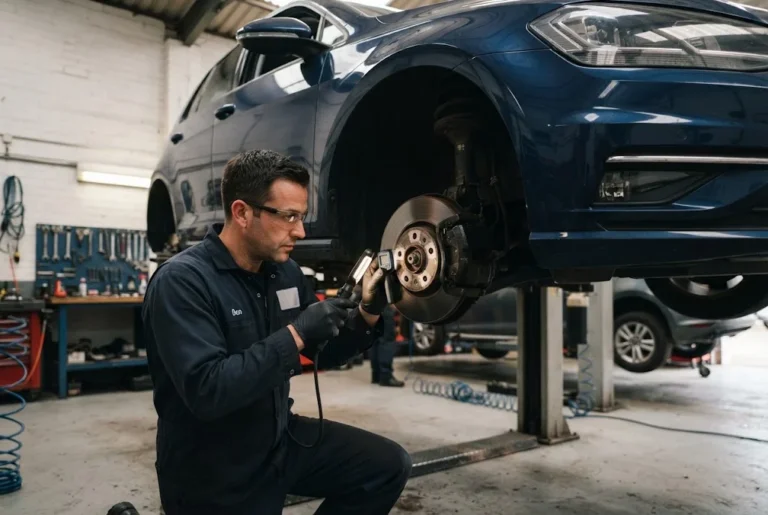
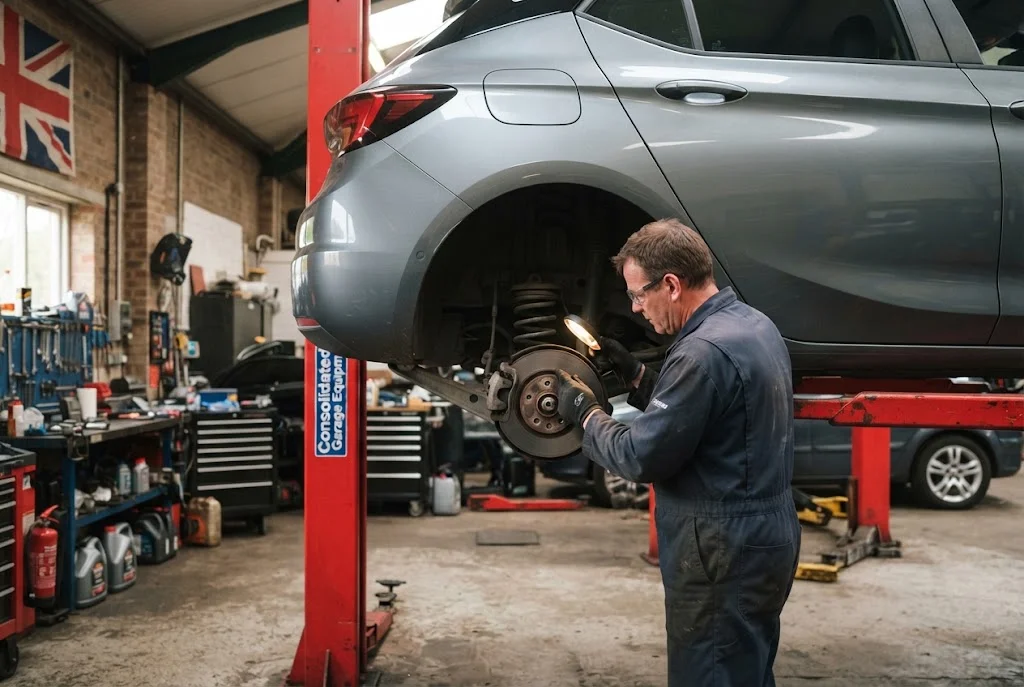
Suspension repair can involve inspection, adjustment, replacement or repair of components that help support the vehicle and control wheel movement. The exact components vary between vehicle designs, but a suspension system may include:
- Shock absorbers
- Coil springs
- Struts
- Control arms
- Ball joints
- Bushes
- Anti-roll bar components
- Mounts and associated hardware
Not every handling problem is caused by suspension components. Tyres, wheels, steering parts and braking components can also affect how a vehicle behaves. A systematic inspection can therefore be more useful than replacing a component based solely on a symptom.
Common Signs You May Need Suspension Repair
Suspension wear can develop gradually, which means drivers may notice small changes before a major problem becomes apparent. Common symptoms include:
- Excessive bouncing after going over bumps
- Unusual knocking or clunking noises
- The vehicle feeling unstable through corners
- Excessive body movement when braking or accelerating
- Uneven or unusual tyre wear
- The vehicle sitting lower on one side
- Reduced ride comfort
- Changes in steering or handling
These signs should be treated as reasons for investigation rather than proof of a particular failed part. For example, uneven tyre wear can be associated with alignment or suspension-related issues, while a knocking noise may have several possible sources.
How Suspension Affects Vehicle Handling
A properly functioning suspension system helps maintain appropriate contact between the tyres and road while managing movement caused by uneven surfaces. This contributes to ride comfort, stability and predictable handling.
When suspension components become worn or damaged, the vehicle may respond differently to steering inputs or road imperfections. Excessive movement can make the car feel less controlled, particularly when cornering, braking or travelling over uneven surfaces.
Because tyres are the vehicle’s direct contact with the road, suspension condition should also be considered alongside tyre condition and inflation. A broader auto inspection can provide an opportunity to examine these related areas together.
Suspension Replacement vs Repair
Suspension replacement may be recommended when a component has reached the end of its service life, is damaged or cannot be reliably repaired. The appropriate approach depends on the vehicle’s design and the condition of the individual component.
Shock absorbers, springs, bushes and other suspension parts have different functions and failure modes. A technician may therefore recommend replacing one component, several related components or another part after inspection.
Some suspension components are replaced as pairs or according to manufacturer or professional recommendations to maintain balanced performance across an axle. The correct approach should be determined from the vehicle’s design and actual condition rather than applying one rule to every car.
Understanding Steering Repair
Suspension and steering systems are closely connected, but they are not identical. Steering repair addresses components responsible for controlling the direction of the vehicle, while suspension components primarily manage wheel movement, support and handling characteristics.
Steering symptoms can include excessive play, unusual noises, vibration or difficulty maintaining a straight path. However, similar sensations can sometimes result from tyre, wheel, suspension or alignment issues.
This overlap makes proper diagnosis important. A technician may inspect steering components, suspension parts, tyres and wheel alignment before determining the source of a handling complaint.
Why Steering Alignment Matters
Steering alignment is commonly discussed when a vehicle pulls to one side, develops uneven tyre wear or has a steering wheel that does not sit correctly while travelling straight. Wheel alignment involves adjusting the relevant angles according to the vehicle manufacturer’s specifications and the equipment used.
Alignment problems can arise from various causes, including impacts with potholes or kerbs and changes associated with worn or damaged components. Correcting alignment without addressing a damaged suspension or steering component may not provide a lasting solution.
For this reason, an alignment check may form part of a broader investigation rather than being treated as the automatic answer to every handling problem.
Suspension Maintenance and Component Wear
Suspension maintenance involves paying attention to the condition of components and responding to changes in vehicle behaviour. There is no single replacement interval that applies to every suspension component because service life depends on vehicle design, road conditions, mileage and use.
Regular inspections can help identify visible damage, fluid leakage from relevant components, worn bushes or other concerns. Drivers should also take note of new noises or changes in ride and handling.
Vehicles regularly driven over poor road surfaces may experience different demands from cars primarily used on smoother roads. However, symptoms should always be assessed on their own merits rather than assuming that road conditions are automatically responsible.
Can Worn Suspension Affect Tyres?
Suspension condition and tyre wear can be closely related. A worn or damaged component may affect how a wheel moves or maintains its intended position, potentially contributing to abnormal tyre wear in some circumstances.
Uneven tread wear can also result from incorrect tyre pressures, alignment problems or other factors. Therefore, unusual tyre wear should prompt an appropriate inspection rather than an assumption that one suspension part has failed.
Drivers should check tyre pressures according to the vehicle manufacturer’s recommendations and arrange professional assessment when wear patterns appear unusual or the vehicle’s handling changes.
Suspension Repair and Braking Performance
Suspension, steering and braking systems operate together during real-world driving. When a vehicle brakes, its weight distribution changes and the suspension responds to that movement.
A vehicle with suspension problems may therefore exhibit handling symptoms during braking that deserve further investigation. However, braking concerns should also be assessed directly rather than automatically attributed to suspension.
If a driver notices vibration, pulling, unusual noises or changes in stopping behaviour, dedicated brake services may be relevant alongside suspension and steering checks.
When Should Suspension Problems Be Inspected?
Drivers should consider professional inspection when they notice a significant or persistent change in the vehicle’s handling, ride or noise level. An inspection can be particularly useful after a substantial impact involving a pothole, kerb or other road hazard.
Other reasons to arrange an assessment include:
- Persistent knocking or clunking from the suspension area
- Uneven ride height
- Repeated alignment problems
- Rapid or unusual tyre wear
- Excessive body movement
- Steering that feels different from normal
- Visible damage or leakage around suspension components
Where a vehicle feels significantly unstable or unsafe, unnecessary driving should be avoided until the problem has been assessed appropriately.
What Happens During a Suspension Inspection?
A professional inspection generally begins with the driver’s reported symptoms and a review of the vehicle’s condition. The technician may examine accessible suspension and steering components, look for visible damage and assess areas associated with the reported problem.
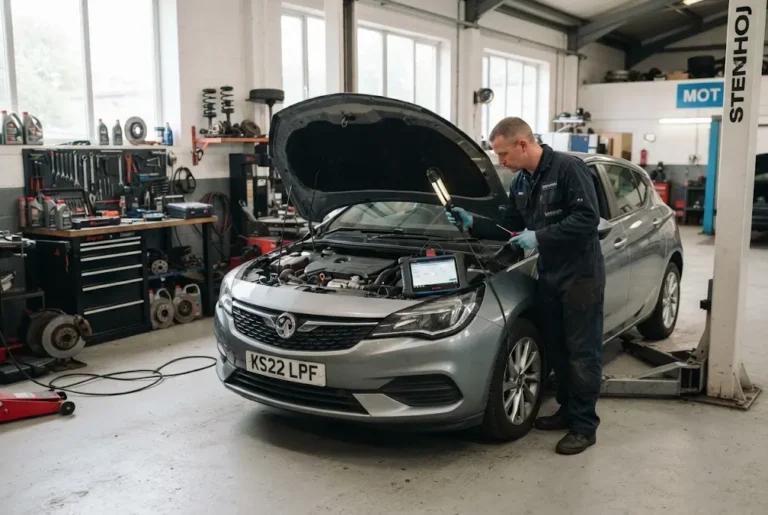
Depending on the symptoms, the vehicle may also require checks of tyres, wheels, braking components or alignment. Road testing may be appropriate when it can be performed safely and helps reproduce a reported handling concern.
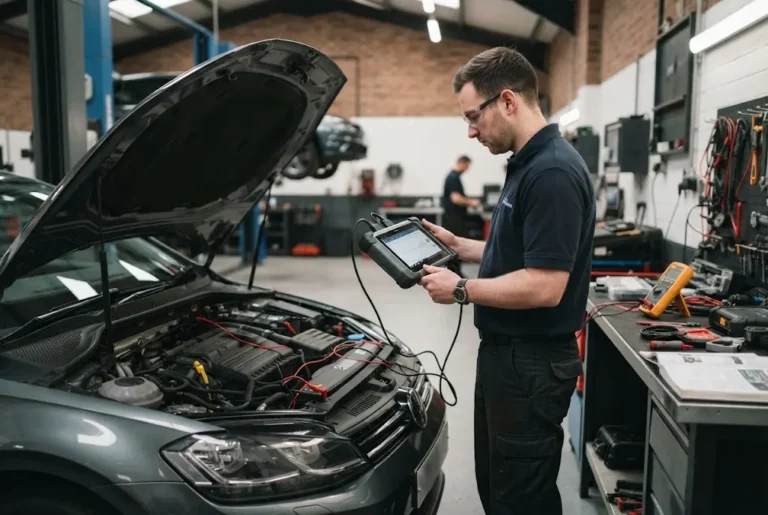
A useful diagnostic process should distinguish between an observed problem and a suspected cause. Additional testing may sometimes be required before a particular component can be confirmed as faulty.
How Technical Writing Can Explain Suspension Problems
Suspension terminology can be confusing for drivers who are unfamiliar with automotive systems. Clear technical writing can explain concepts such as shock absorbers, springs, bushes, alignment and steering without relying on unnecessary jargon.
For automotive publishers, suspension content can also form part of a wider educational cluster. An article focused on suspension repair can connect naturally with resources covering brake maintenance, vehicle inspections, auto electrical problems and battery service without repeating their primary search intent.
These repair explainers are particularly useful when they focus on symptoms, possible causes and appropriate next steps while making clear that only a physical inspection can establish the condition of a specific vehicle.
Building Useful Educational Publishing Around Suspension
High-quality automotive content should answer the questions drivers are likely to ask before booking a service. Instead of simply listing parts, useful educational publishing can explain what a component does, what symptoms may indicate a problem and why professional diagnosis matters.
Related articles can then cover specific subjects in greater depth. For example, content about steering repair can focus on steering symptoms, while another article can explain braking components and maintenance. This creates a more useful resource for readers and supports a logical internal-linking structure.
How to Keep Your Suspension in Good Condition
There is no substitute for responding to changes in vehicle behaviour. Drivers can support routine maintenance by following the manufacturer’s servicing recommendations, maintaining correct tyre pressures and paying attention to unusual noises or handling changes.
After significant impacts, it can also be sensible to have the vehicle assessed if its steering, ride height, alignment or handling changes. Small symptoms should not automatically be assumed to be harmless, particularly when they persist.
Regular vehicle checks can identify developing issues, while targeted inspections can investigate specific symptoms. Combining both approaches gives drivers a clearer understanding of the vehicle’s condition.
Choosing the Right Approach to Suspension Problems
Suspension problems can range from normal component wear to damage requiring prompt repair. The appropriate response depends on the specific vehicle, component and symptoms involved.
Professional inspection is especially valuable when several systems could produce similar symptoms. A technician can assess suspension, steering, tyres, wheels and related systems before recommending repair or replacement.
Ultimately, effective suspension repair is not simply about replacing worn parts. It is about identifying the cause of a handling or ride-quality problem, restoring the affected components appropriately and ensuring that related systems are considered when necessary.