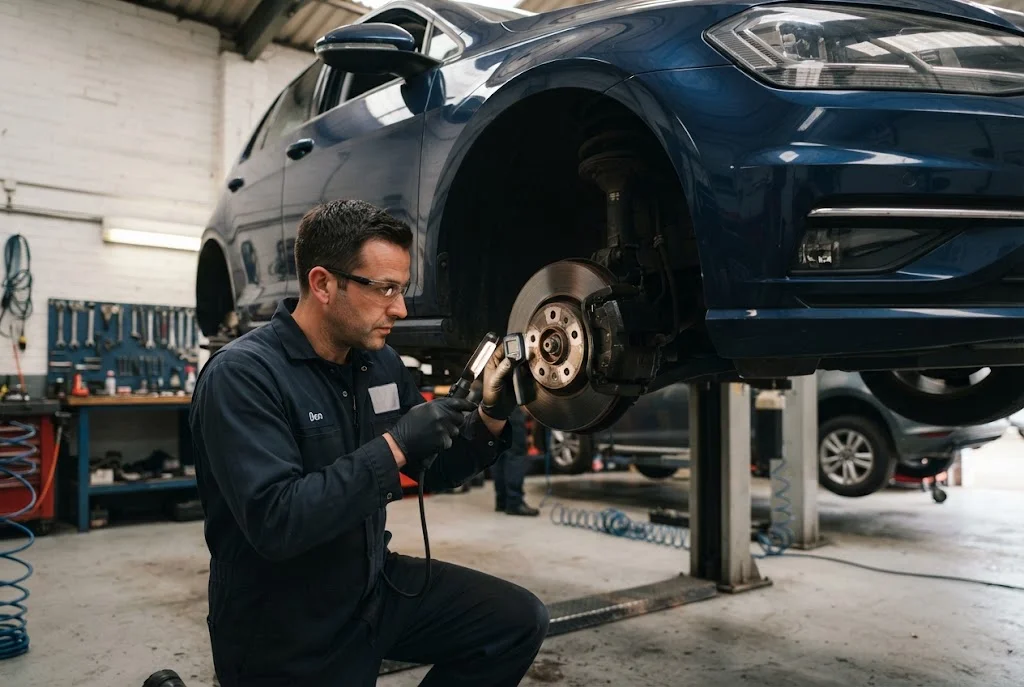
Reliable brakes are fundamental to safe driving, making professional brake services an important part of routine vehicle maintenance. Braking systems contain several components that work together to slow and stop a vehicle, and wear can develop gradually without always being obvious to the driver. Regular checks can help identify problems before braking performance is seriously affected.
Brake services can include inspections, brake pad replacement, brake fluid checks and repairs to other components of the braking system. The right service depends on the vehicle, its condition and the symptoms being reported. Understanding the basics can help drivers recognise potential problems and know when professional assessment is appropriate.
What Do Brake Services Include?
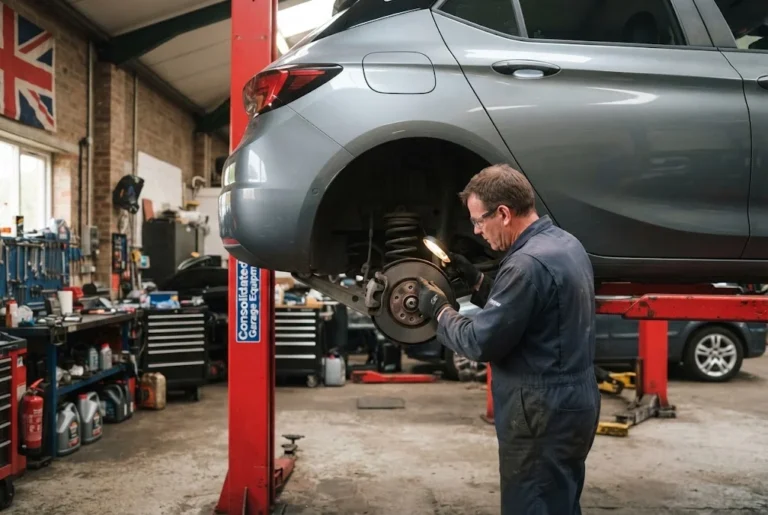
The term brake services covers a range of inspection, maintenance and repair work. A professional assessment may examine several parts of the braking system, including:
- Brake pads
- Brake discs or rotors
- Brake drums and shoes where fitted
- Brake fluid
- Brake lines and hoses
- Callipers
- Parking brake components
- ABS-related components
- Brake warning indicators
The precise inspection will depend on the vehicle and the type of service requested. A routine check may focus on visible wear and general operation, while a reported braking problem may require more detailed diagnosis.
Why Brake Inspection Matters
A brake inspection provides an opportunity to identify signs of wear or damage before they become more serious. Brake components are subject to friction and heat during normal operation, so their condition can change over time.
Drivers may not always notice gradual deterioration because they can become accustomed to changes in pedal feel or braking performance. A professional inspection provides another opportunity to assess the system objectively.
During an inspection, a technician may look for uneven wear, damaged components, leaks or other visible concerns. Further testing may be recommended when the cause of a symptom cannot be established from visual inspection alone.
Signs Your Vehicle May Need Brake Services
Drivers should pay attention to changes in braking behaviour. Possible warning signs include:
- Squealing or grinding noises when braking
- Vibration through the steering wheel or brake pedal
- The vehicle pulling to one side during braking
- A brake pedal that feels unusually soft or firm
- Longer stopping distances
- Brake warning lights appearing on the dashboard
- Visible damage or excessive wear
- A burning smell following heavy braking
These symptoms can have different causes, so they should not automatically be attributed to worn brake pads. For example, vibration can have several potential causes, while a warning light may relate to an electronic braking system rather than friction components.
Brake Pad Replacement: When Is It Necessary?
Brake pad replacement is one of the most common forms of brake maintenance. The Brake pads gradually wear as they press against the disc to create the friction needed to slow the vehicle.
Replacement timing varies according to the vehicle, components, driving conditions and driving style. There is therefore no single mileage figure that applies to every car.
During an inspection, the remaining pad material can be assessed alongside the condition of associated components. Uneven wear can also provide useful information because it may indicate another issue that needs attention.
Drivers should not wait for severe noise or a major change in braking performance before checking brake condition. Preventive inspection can help identify worn components earlier.
Understanding Brake Repair
Brake repair can range from replacing worn friction components to addressing problems with hydraulic, mechanical or electronic parts of the braking system.
The appropriate repair depends on the fault identified. A technician may need to determine whether a reported symptom originates from the pads, discs, callipers, hydraulic system, brake lines or another component.
For this reason, replacing one component without establishing the underlying problem is not always the best approach. A clear diagnosis can help ensure that the repair addresses the actual cause.
Brake Fluid Service Explained
Brake fluid service is another important part of braking-system maintenance. Hydraulic braking systems rely on brake fluid to transmit pressure when the driver operates the brake pedal.
Brake fluid can absorb moisture over time, and manufacturers commonly specify maintenance intervals for checking or replacing it. The correct service interval depends on the vehicle and manufacturer’s recommendations.
Drivers should consult their vehicle handbook for the appropriate specification and maintenance schedule. Using the wrong fluid or ignoring a known hydraulic problem can compromise the braking system.
Brake fluid levels should also be considered in context. A low reservoir level can sometimes be associated with worn brake components or a leak, so simply adding fluid may not address the reason for the change.
Brake Services and ABS Warning Lights
Modern vehicles commonly use anti-lock braking systems, or ABS, to help prevent wheel lock during braking under appropriate conditions. An ABS warning light can indicate a fault within the system and should not be ignored.
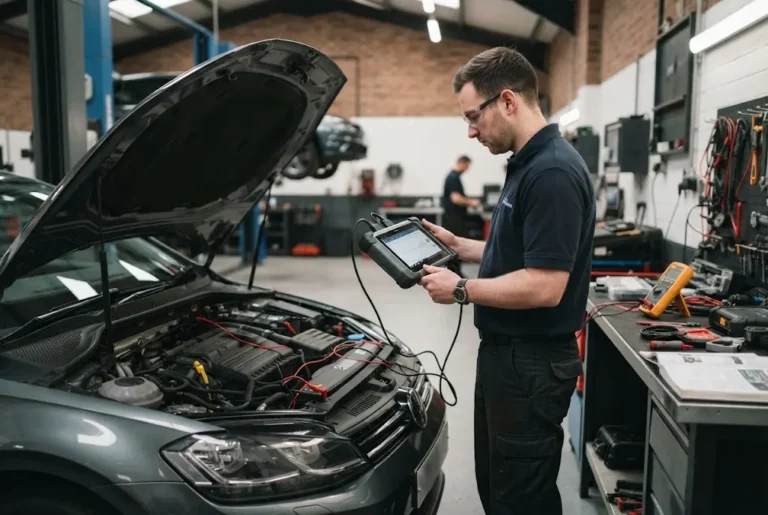
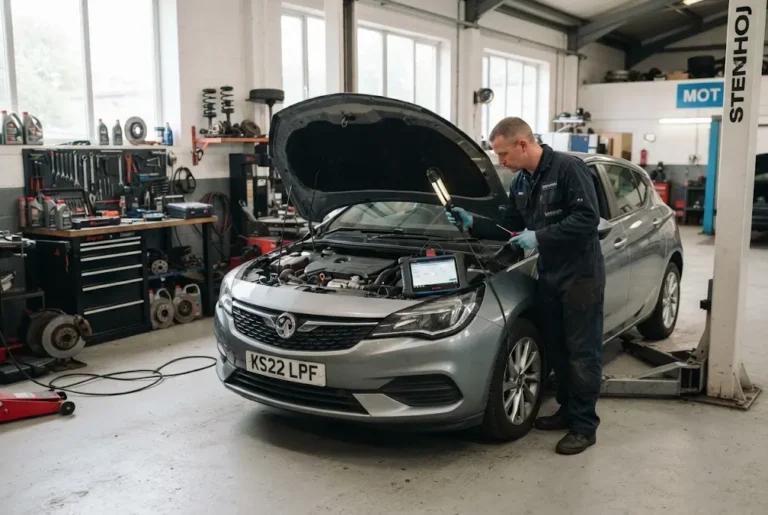
A warning light may require diagnostic testing to identify the affected system or component. Depending on the vehicle, possible areas of investigation can include wheel-speed sensors, wiring, control components or other ABS-related equipment.
Drivers should consult the manufacturer’s instructions when a warning light appears and seek appropriate professional assistance where required.
How Driving Habits Affect Brake Wear
Brake wear is influenced by more than time and mileage. Driving conditions and habits can affect how frequently the braking system operates and how much heat and friction the components experience.
Frequent stop-start driving can place different demands on brakes compared with long-distance motorway driving. Carrying heavy loads, driving in hilly areas and repeated hard braking can also influence brake use.
This is one reason maintenance schedules should be treated as guidance rather than a guarantee that every component will require replacement at exactly the same time.
Brake Maintenance Between Professional Inspections
Drivers can perform simple observations between professional inspections. Changes in braking feel, unusual sounds or warning lights should be taken seriously.
Tyre condition also matters because tyres are the vehicle’s contact with the road. A well-maintained braking system cannot compensate for tyres that are unsuitable, damaged or incorrectly inflated.
Regular general vehicle checks can therefore complement dedicated auto inspection services. A broader inspection can help identify related concerns involving tyres, suspension, steering and other safety-critical systems.
Brake Services Before an MOT
Brakes are among the vehicle systems examined during an MOT test in the UK. However, an MOT should not be treated as a substitute for routine maintenance throughout the year.
The official UK MOT inspection manual includes detailed requirements for checking braking systems, including service brakes, parking brakes and relevant components. The GOV.UK MOT inspection manual provides the official requirements used by testers.
Having a current MOT does not mean that every brake component will remain in good condition until the next test. Wear can continue after the inspection, which is why drivers should respond to changes in braking performance as they occur.
How Brake Services Connect With Suspension and Steering
Braking does not happen in isolation. A vehicle’s suspension, steering, wheels and tyres all contribute to how it behaves when slowing down.
For example, pulling to one side while braking may require investigation beyond the brake components themselves. Uneven tyre condition, suspension issues or steering-related problems may also need consideration.
This is why related content about suspension repair and steering maintenance can provide useful context for drivers researching vehicle handling and braking symptoms.
Questions to Ask About Brake Repair
When a garage recommends brake work, vehicle owners can ask practical questions to understand the proposed repair:
- Which brake component requires attention?
- What condition is the component currently in?
- Is the issue affecting braking safety or general maintenance?
- Does another component need to be inspected?
- Is brake fluid replacement recommended?
- Are both sides of an axle affected?
- What symptoms or inspection findings support the recommendation?
Clear communication helps drivers understand the difference between an immediate repair requirement and preventative maintenance.
Building Useful Automotive Brake Content
Brake-related educational content has strong practical value because drivers regularly need explanations of warning signs, component wear and maintenance requirements. Well-written maintenance blogs can explain technical subjects without turning every article into a sales pitch.
For automotive publishers, a connected content cluster can cover brake inspections, brake pad replacement, brake fluid maintenance and braking safety while linking naturally to broader subjects such as vehicle diagnostics, battery care and suspension systems.
Good automotive copywriting should focus on accurate explanations, clear terminology and useful next steps. It should also distinguish general information from a professional diagnosis because symptoms alone cannot always establish the cause of a braking problem.
When to Seek Professional Brake Services
Any significant change in braking performance deserves attention. Drivers should not ignore grinding noises, unusual pedal behaviour, warning lights, fluid leaks or a noticeable increase in stopping distance.
If braking performance appears seriously compromised, the safest approach is to avoid unnecessary driving and obtain appropriate professional assistance. A qualified technician can inspect the system and determine what work is required.
Routine maintenance also has an important role. Regular inspections can identify wear before it becomes a more disruptive problem, while prompt investigation of new symptoms can help prevent further deterioration.
Keeping Your Braking System in Good Condition
Effective brake maintenance combines routine inspections, attention to warning signs and repairs when components reach the end of their service life. There is no universal replacement schedule for every vehicle because component life depends on the car and how it is used.
Following the manufacturer’s maintenance recommendations and responding promptly to changes in braking behaviour can help drivers maintain a reliable braking system. Professional inspection remains particularly important when symptoms are unusual or difficult to diagnose.
Ultimately, good brake services are about more than replacing worn pads. A proper approach considers the complete braking system, identifies the source of problems and ensures that maintenance or repair is appropriate for the vehicle’s actual condition.