Vehicle maintenance is an essential part of responsible car ownership. Regular checks and planned servicing can help drivers understand the condition of their vehicles, identify potential problems and keep track of important maintenance requirements. However, knowing what to check, when to check it and which issues require professional attention is not always straightforward.
A useful maintenance guide should make vehicle care easier to understand without overwhelming drivers with unnecessary technical information. From routine checks and maintenance schedules to tyres, fluids and servicing, the right information can help motorists make better-informed decisions throughout the life of a vehicle.
Why Vehicle Maintenance Matters
Every vehicle experiences normal wear and tear. Components can deteriorate over time, fluids may need attention, tyres can lose condition and warning signs can develop before a more obvious fault appears.
Regular maintenance gives drivers an opportunity to keep track of these areas rather than waiting until something goes wrong. It does not eliminate the possibility of breakdowns or repairs, but it can support a more organised approach to vehicle ownership.
Maintenance is also closely connected with servicing. While servicing follows a planned schedule based on a vehicle’s requirements, everyday maintenance involves ongoing attention to the vehicle’s condition.
Vehicle Maintenance: What Should Drivers Check?
The exact maintenance requirements vary between vehicles. Drivers should therefore consult the relevant manufacturer’s information rather than assuming that one checklist applies to every car.
Nevertheless, several areas are commonly important when thinking about routine vehicle care.
Tyres
Tyres are one of the most visible maintenance items and deserve regular attention. Drivers should be aware of tyre condition, tread, inflation and any unusual signs such as visible damage or uneven wear.
If something looks or feels unusual, professional assessment may be appropriate. Dedicated information about tyre services can provide more detailed context without making a general maintenance article unnecessarily technical.
Fluids
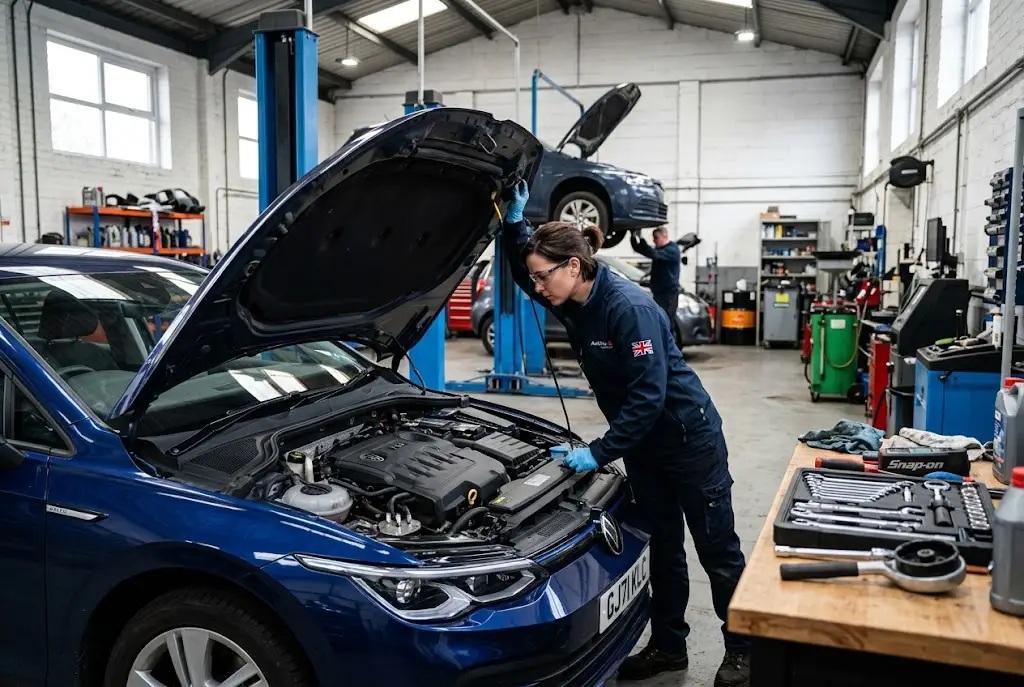
Vehicles rely on several fluids to operate correctly. Depending on the vehicle, these can include engine oil, coolant, brake fluid and screen wash.
Drivers should follow the manufacturer’s instructions when checking levels or topping up fluids. Using the wrong product or ignoring a warning can create additional problems, so uncertainty is a good reason to seek professional advice.
Lights and Visibility
Lights, indicators, mirrors and windscreen visibility all contribute to safe driving. Simple checks can help drivers identify issues that may otherwise go unnoticed.
Replacing a faulty bulb may be straightforward on some vehicles, while other lighting or electrical problems may require specialist investigation.
Understanding a Maintenance Schedule
A maintenance schedule provides a framework for planned vehicle care. It can include checks and replacement intervals that are based on time, mileage or both.
Schedules vary significantly between manufacturers and individual models. Some vehicles may also have different requirements depending on how they are used. Frequent short journeys, high mileage and demanding driving conditions can affect how owners approach maintenance.
For this reason, a maintenance guide should encourage readers to check their own vehicle documentation and manufacturer recommendations rather than following an arbitrary universal timetable.
Preventive Maintenance and Early Warning Signs
Preventive maintenance focuses on addressing routine care before a minor issue becomes a larger concern. The principle is straightforward: paying attention to the vehicle’s condition can make it easier to identify changes early.
Drivers may notice warning signs such as unusual noises, vibrations, changes in handling, dashboard warnings, fluid leaks or changes in braking behaviour. These signs do not automatically identify a specific fault, but they should not simply be ignored.
When a problem appears, professional diagnosis is often more useful than attempting to identify the exact cause from a general online article.
Creating a Practical Maintenance Checklist
A simple maintenance checklist can help vehicle owners organise routine tasks and remember when professional servicing or inspections may be required.
A useful checklist could include:
- Checking tyre condition and pressures according to the manufacturer’s recommendations.
- Monitoring dashboard warning lights.
- Checking relevant fluid levels as instructed by the vehicle manufacturer.
- Inspecting exterior lights and indicators.
- Paying attention to unusual sounds, smells or vibrations.
- Keeping track of service and maintenance records.
- Reviewing the vehicle’s recommended maintenance schedule.
- Arranging professional inspection when a significant problem is suspected.
The purpose of a checklist is not to replace professional servicing. Instead, it gives drivers a practical way to stay aware of their vehicle between scheduled appointments.
Vehicle Maintenance and Car Servicing
Vehicle maintenance and car servicing are closely connected, but they are not interchangeable terms. Maintenance can include routine observations and care carried out throughout vehicle ownership, while servicing is generally planned around a defined maintenance programme.
A dedicated car servicing guide can explain the differences between interim, full and major services in greater detail.
Keeping these subjects connected through internal links also helps readers move naturally from general maintenance information to more specific servicing guidance.
When Maintenance Leads to Repair
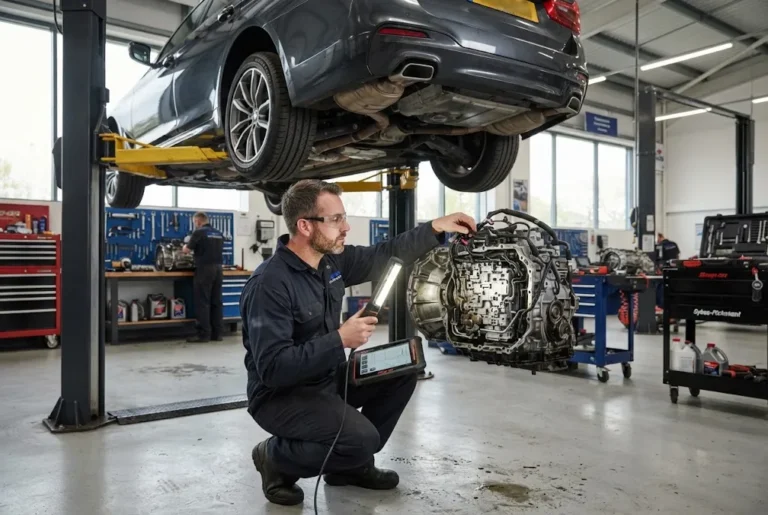
Routine checks can sometimes reveal an issue that needs more than basic maintenance. A worn component, persistent warning light or unusual vehicle behaviour may require professional diagnosis and repair.
This distinction is important when creating automotive educational content. Writers should not imply that every problem can be solved through routine maintenance. Some faults require specialist equipment, technical knowledge or physical inspection.
Readers who need more information about professional auto repair services can use a dedicated repair resource to understand the next stage of vehicle care.
Keeping a Vehicle Maintenance Record
Good maintenance planning becomes easier when owners keep accurate records. A record can show when servicing took place, which maintenance items were addressed and whether recurring issues have appeared.
For older vehicles, maintenance history can be particularly useful because the owner may need to consider previous work when planning future maintenance.
Digital records, invoices and service documentation can all contribute to a clearer picture of a vehicle’s history. The most important point is consistency: owners should retain relevant information rather than relying entirely on memory.
Vehicle Maintenance for Different Types of Cars
Not every vehicle requires exactly the same maintenance approach. Petrol and diesel cars have different mechanical characteristics, while hybrid and electric vehicles introduce additional technologies and maintenance considerations.
Vehicle-specific information can therefore provide greater value than generic advice. For example, dedicated resources covering hybrid servicing can explain considerations that are less relevant to conventional petrol or diesel vehicles.
Similarly, manufacturer-focused content can help readers investigate the requirements associated with their particular model. A guide to Toyota service, for example, can focus on Toyota-specific considerations without diluting a general vehicle maintenance article.
Vehicle Maintenance and MOT Testing
UK drivers should also understand that routine maintenance and MOT testing serve different purposes. An MOT assesses whether a vehicle meets the required standards at the time of the test, while maintenance is an ongoing process of caring for the vehicle.
Passing an MOT does not mean that a vehicle no longer needs maintenance. Likewise, regular maintenance should not be presented as a substitute for the required MOT test.
For readers researching both subjects, a dedicated MOT and service resource can explain how the two areas relate while keeping their purposes distinct.
How to Write Better Vehicle Maintenance Guides
For automotive publishers, maintenance content should be practical and easy to scan. Readers often visit these guides because they want a straightforward answer to a specific question.
Start with the main issue, then organise supporting information under descriptive headings. Lists can be useful for checklists, while concise paragraphs work well for explanations.
Technical writing should also be carefully balanced. A guide needs enough detail to demonstrate expertise, but unnecessary jargon can make it less useful for everyday motorists.
Good automotive blogging should also recognise the limits of general information. Maintenance requirements vary, and writers should avoid presenting broad recommendations as guaranteed rules for every vehicle.
Common Vehicle Maintenance Mistakes
One of the biggest mistakes is waiting until a vehicle develops a serious problem before paying attention to maintenance. Regular checks can provide a more organised way to monitor the car’s condition.
Another mistake is relying on generic maintenance intervals without checking manufacturer guidance. Different vehicles can have different requirements, so the owner’s manual and official service information should take priority.
Ignoring warning lights is another poor approach. A warning does not necessarily indicate a major failure, but it deserves attention rather than being dismissed without investigation.
Finally, drivers should avoid assuming that online information can replace a qualified inspection. Educational articles are useful for understanding a problem, but they cannot physically assess a vehicle.
Building Better Automotive Maintenance Content
Vehicle maintenance is an excellent foundation for a broader automotive content cluster. From this central subject, publishers can develop focused guides covering servicing, repairs, tyres, inspections, MOT information and manufacturer-specific maintenance.
Each article should have a distinct purpose. A maintenance guide can explain ongoing vehicle care, while a servicing article can focus on scheduled maintenance. Repair content can then address faults and professional intervention.
This structure reduces repetition and gives readers a logical path through related information. It also creates opportunities for contextual internal links that strengthen the overall organisation of an automotive website.
Final Thoughts on Vehicle Maintenance
Vehicle maintenance becomes much easier to manage when drivers understand the difference between everyday checks, scheduled servicing and professional repairs. A practical approach involves following manufacturer guidance, monitoring the vehicle’s condition, keeping useful records and taking unusual symptoms seriously.
For automotive websites, maintenance content should do more than list generic car-care tips. It should answer genuine questions, explain why maintenance matters and connect readers with deeper resources where appropriate.
With clear educational writing, sensible internal linking and accurate information, vehicle maintenance content can become a valuable evergreen resource for UK drivers while supporting a wider automotive publishing strategy.