Unexpected vehicle repairs can be difficult to budget for, particularly when a car is essential for commuting, family responsibilities or everyday travel. Repair finance can help some motorists spread the cost of an approved repair rather than paying the entire amount immediately. However, financing a repair is still a financial commitment, so drivers should understand the available arrangements, total costs and repayment terms before making a decision.
A sensible approach starts with understanding the repair itself. Once a garage has identified the problem and provided a clear estimate, motorists can compare payment options alongside the urgency and importance of the work. This guide explains how repair finance works, what payment plans may involve, how to budget for maintenance and what to consider before committing to additional borrowing.
What Is Repair Finance?
Repair finance generally refers to an arrangement that allows a customer to spread the cost of vehicle repair work over a number of payments. Depending on the garage and finance provider, this may involve a credit agreement, instalment arrangement or another form of payment plan.
The exact structure varies considerably. Some arrangements may advertise interest-free periods, while others may charge interest or include other costs. The important point is to look beyond the size of the monthly payment and understand the total amount that will be repaid.
Before accepting an offer, motorists should check:
- The total amount payable
- The length of the repayment period
- Whether interest is charged
- Any arrangement or administration fees
- Whether a deposit is required
- What happens if a payment is missed
- Whether early repayment is possible and under what conditions
This information makes it easier to compare finance with other ways of covering the repair cost.
Why Do Drivers Consider Repair Finance?
Vehicle repairs are not always predictable. A routine service may reveal a worn component, while a breakdown can create an immediate expense. Even a relatively modest repair can become difficult to manage if it arrives alongside household bills, insurance costs or other planned expenses.
Repair finance may be considered when the work is necessary but the driver does not want to use all of their available cash at once. Spreading payments can make the immediate cost easier to manage, provided the resulting monthly commitment remains affordable.
However, finance should not automatically be viewed as the cheapest option. A driver who can comfortably pay for an essential repair from available savings may prefer to avoid taking on additional credit. The right choice depends on the individual’s circumstances, the terms offered and the urgency of the repair.
How Repair Payment Plans Can Work
Repair payment plans can take different forms, so motorists should read the agreement carefully before accepting one.
A typical arrangement may involve an initial payment followed by fixed monthly instalments. The repayment period could vary depending on the amount borrowed and the provider’s terms. Some offers may be promoted as interest-free, but eligibility requirements and specific conditions can apply.
The monthly payment is only one part of the calculation. For example, a lower monthly figure may result from a longer repayment period, meaning the customer remains committed for longer. Conversely, a shorter agreement may require larger monthly payments but could reduce the overall duration of the debt.
Always compare the total cost and repayment schedule rather than choosing an arrangement solely because its monthly payment appears affordable.
Should You Finance an Urgent Car Repair?
Not every repair can wait. Problems affecting braking, steering, tyres, suspension or other safety-critical components may require prompt attention. Drivers should not delay essential safety work simply because they are trying to find a cheaper financial solution.
At the same time, urgency does not mean motorists should accept the first finance arrangement offered without checking the terms. Ask the garage for a written estimate and clarify which work is essential immediately and which work, if any, can reasonably be scheduled later.
This distinction can make repair budgeting much easier. Separating urgent safety-related work from recommended future maintenance gives the driver a clearer picture of the immediate financial requirement.
Repair Finance vs Paying from Savings
Using savings and using finance each have advantages and disadvantages. Paying directly avoids creating a new repayment obligation and may eliminate interest or finance charges. However, using a large portion of available savings can reduce the financial buffer available for future emergencies.
Finance may preserve cash in the short term, but it creates a future obligation. The decision therefore depends on the driver’s overall financial position rather than simply the repair invoice.
A useful comparison is to ask:
- How much emergency savings would remain after paying the repair?
- What is the total cost of the finance arrangement?
- Can the monthly repayment comfortably fit within the household budget?
- Is the repair essential now or can it safely be delayed?
- Are there other upcoming ownership expenses that need to be considered?
Looking at the complete picture is more useful than focusing on one payment alone.
How to Build a Repair Budget
Repair budgeting is one of the best ways to reduce the impact of unexpected vehicle costs. Although no driver can predict every mechanical problem, regular maintenance can make some expenses easier to anticipate.
Start by reviewing the vehicle’s age, mileage, service history and recent repair work. Consider whether tyres, brakes, batteries, filters or other routine components are approaching the end of their expected service life.
Instead of treating every repair as a complete surprise, motorists can create a dedicated vehicle-maintenance allowance within their monthly budget. Even when the amount is modest, setting money aside regularly can provide additional flexibility when a repair is needed.
Separate Routine and Unexpected Costs
Routine costs are generally easier to anticipate. These may include servicing, MOT-related expenses, tyre replacement and scheduled maintenance.
Unexpected costs can include breakdown repairs, electrical faults, damaged components or issues discovered during inspections. Keeping separate allowances for routine and unexpected work can make the overall vehicle budget more realistic.
Review the Vehicle’s History
Past maintenance can provide useful clues about future ownership expenses. Keep invoices, service records and repair information together so you can identify recurring problems and understand what work has already been completed.
A well-maintained record can also help when speaking to a garage because you can provide more information about previous repairs and maintenance.
Maintenance Plans and Service Plans
Maintenance plans and service plans are different from finance for an unexpected repair, although they can form part of the same broader vehicle-cost strategy.
A service plan may allow motorists to pay towards scheduled servicing over time. The precise services included depend on the provider and agreement. A maintenance plan may cover a broader range of scheduled maintenance, although the scope varies between products.
These plans should not be confused with comprehensive cover for every mechanical failure. Drivers should always check exactly what is included, what is excluded and whether parts, labour or additional work are covered.
Planning for routine servicing can nevertheless reduce the likelihood of being caught completely unprepared when the vehicle requires attention.
What to Check Before Accepting Repair Finance
Before signing a finance agreement, take time to understand the terms. Do not assume that an attractive headline offer represents the full cost.
Check the Total Repayment
Calculate how much you will pay from start to finish. If the arrangement includes interest or fees, these can increase the cost beyond the original repair invoice.
Check the Repayment Period
A longer term may reduce the monthly payment, but it also extends the period during which you have an outstanding commitment. Make sure the repayment period makes sense for the size and nature of the repair.
Check the Consequences of Missing Payments
Understand what happens if you cannot make a payment on time. Depending on the agreement, missed payments may result in additional charges or other consequences.
Check Whether the Provider Is Regulated
Where a finance product is regulated credit, consumers should be able to understand who is providing the finance and what protections apply. Read the agreement and associated information rather than relying solely on a garage’s verbal explanation.
Government guidance has also highlighted the importance of clearer information and consumer protection in modern credit arrangements. The wider regulatory environment can change, so consumers should check current official guidance when considering a specific financial product.
Questions to Ask Your Garage
A repair estimate and a finance agreement are separate decisions. Before accepting either, ask the garage clear questions about the work and payment arrangement.
- What exactly needs repairing?
- Which repairs are essential immediately?
- What is the total repair cost?
- Are parts and labour included?
- Is there a warranty on the repair?
- What payment options are available?
- Is the finance provided by the garage or a separate lender?
- What is the total amount payable under the finance agreement?
- Are there any fees or charges?
- What happens if the repair reveals another fault?
Clear answers can prevent misunderstandings and make it easier to compare alternatives.
Repair Finance and Ownership Expenses
Vehicle ownership involves much more than fuel and insurance. MOT costs, servicing, tyres, repairs, road tax, breakdown cover and other expenses can all contribute to the real cost of keeping a car.
Understanding these ownership expenses can change the way drivers think about repair finance. A monthly finance payment may appear manageable when considered alone, but it needs to fit alongside the rest of the vehicle budget.
This is particularly important for older vehicles. As a car ages, maintenance requirements can become more significant, and several expenses may occur within the same period. A driver considering finance for one repair should therefore think about whether additional work is likely to be required soon.
Our guide to tyre services provides a useful example of another area of vehicle ownership where planned maintenance and replacement costs can arise. Tyres should be considered separately from repair finance, but they still belong in the wider annual vehicle budget.
Can Repair Finance Help With Large Repairs?
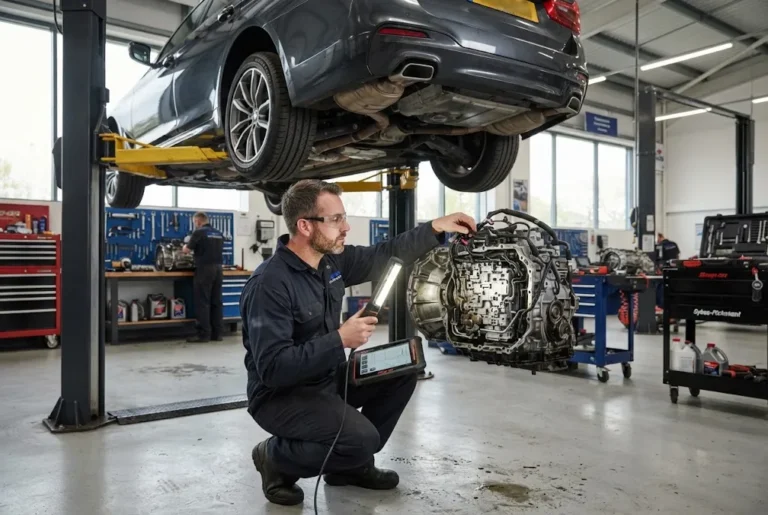
Larger repairs can place greater pressure on a household budget, which is one reason motorists may investigate finance. Examples could include significant engine, transmission, suspension or electrical work.
Before financing a large repair, however, consider the vehicle’s overall condition and current value. If the car has several major issues or requires frequent repairs, taking on additional finance may not always be the most economical long-term decision.
Ask the garage whether the proposed repair is expected to address the main problem and whether any other major work has been identified. A second opinion can also be useful when the repair is expensive or the diagnosis is unclear.
When Repair Finance May Not Be the Best Choice
Finance is not automatically the right answer simply because a repair is expensive. It may be unsuitable when the monthly repayments would put significant pressure on the household budget or when the total repayment cost is disproportionately high.
It may also be worth reconsidering the vehicle itself if major repairs are becoming frequent. The cost of keeping an unreliable vehicle should be compared with the cost of replacing it, while taking into account purchase costs, finance, insurance, depreciation and other ownership expenses.
The goal should not be to avoid every large repair. Instead, the goal is to make a decision based on the vehicle’s condition, the urgency of the work and the driver’s ability to manage the cost responsibly.
How to Make Repair Costs More Predictable
Although unexpected failures cannot always be avoided, good maintenance can help make vehicle expenses more predictable. Following the manufacturer’s service recommendations, checking fluid levels where appropriate, monitoring tyres and responding to warning signs can all contribute to better vehicle care.
Our guide to the vital benefits of routine car maintenance explains why regular maintenance deserves a place in a long-term vehicle ownership strategy.
Drivers should also keep records of repairs and servicing. A simple digital folder or paper file containing invoices, inspection notes and service information can help with future budgeting and decision-making.
Repair Finance: A Responsible Approach
Repair finance can be useful when an essential vehicle repair creates a temporary financial challenge, but it should be approached as a borrowing decision rather than simply another way to pay a garage bill.
Start by confirming the repair, obtaining a clear price and identifying which work is genuinely urgent. Then compare the available payment options, including paying directly, using savings or considering an appropriate finance arrangement.
If finance is chosen, focus on the total cost, repayment period, fees and affordability rather than the headline monthly payment. At the same time, keep future maintenance and ownership expenses in your wider vehicle budget.
With careful planning, motorists can deal with necessary repairs while maintaining a clearer view of their longer-term vehicle costs. The key is to balance immediate safety and reliability with a payment commitment that remains manageable after the repair has been completed.
For more practical automotive guidance, visit the Auto Services section for articles covering vehicle maintenance, inspections, tyres and other aspects of responsible car ownership.