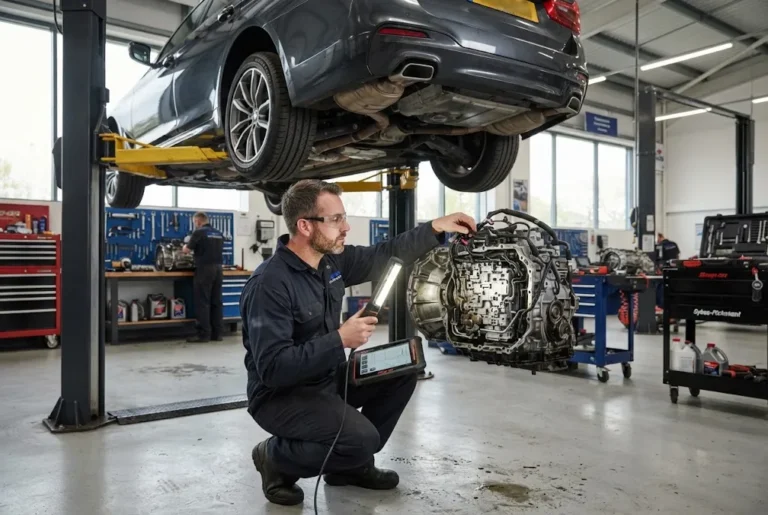
Manufacturer servicing plays an important role in keeping modern vehicles maintained according to the requirements set for their specific make and model. Whether you own an Audi, Mercedes, Volkswagen, Vauxhall, Nissan, Kia, Peugeot or Citroen, understanding the recommended maintenance schedule can help you plan servicing, manage costs and protect the condition of your vehicle.
Modern cars use increasingly sophisticated engines, transmissions, electronic systems and safety technology. As a result, servicing is no longer simply about changing engine oil. The correct maintenance programme can include inspections, software checks, fluid replacement and model-specific service items. This guide explains what UK drivers should know when comparing manufacturer servicing options and planning long-term vehicle maintenance.
What Is Manufacturer Servicing?
Manufacturer servicing refers to maintenance carried out according to the service requirements established for a particular vehicle manufacturer and model. The exact schedule depends on factors such as the engine, transmission, vehicle age, mileage and how the car is used.
Manufacturer service schedules are designed around the components and systems fitted to a vehicle. This means two cars with similar sizes or prices can have very different maintenance requirements.
Following the appropriate schedule can help owners keep track of routine maintenance and identify potential issues during scheduled inspections. It also creates a documented service history that can be useful when maintaining or eventually selling the vehicle.
Why Manufacturer Servicing Matters
Every vehicle contains components that require periodic inspection, adjustment or replacement. Ignoring scheduled maintenance can allow wear to progress unnoticed and may eventually result in more expensive repairs.
A structured servicing programme provides an opportunity to assess important areas such as brakes, tyres, steering, suspension, fluids, filters and engine components. The exact checks depend on the vehicle.
Servicing is particularly important for modern vehicles because many systems rely on electronic diagnostics. A suitable service provider should have the appropriate equipment and knowledge for the vehicle being maintained.
Manufacturer Servicing vs Independent Servicing
UK owners often have a choice between a manufacturer-affiliated service centre and an independent garage. The best option depends on the vehicle, its age, warranty arrangements, required work and the owner’s priorities.
A manufacturer-affiliated workshop may have direct familiarity with the brand’s servicing procedures, diagnostic systems and technical information. An experienced independent garage may offer competitive pricing while specialising in particular makes or models.
When comparing options, do not focus only on the advertised price. Check exactly what is included, whether replacement parts and labour are covered, and whether additional diagnostic or repair work will cost extra.
Understanding a Manufacturer Service Schedule
The recommended service schedule is one of the most important pieces of information for any vehicle owner. It establishes when particular inspections and maintenance tasks should be completed.
Some vehicles use mileage-based intervals, while others also use time-based requirements or variable servicing systems. Consequently, drivers should consult the information applicable to their exact vehicle rather than relying on a generic interval found online.
Service schedules can also change as a vehicle gets older. Certain maintenance items may only become due at particular mileage points, making it important to maintain an accurate record of previous work.
Service History and Documentation
A complete service history can help establish whether scheduled maintenance has been carried out. Keep invoices, digital service records and receipts from every service or repair.
Documentation is particularly useful when purchasing a used vehicle. A buyer can compare the recorded work with the vehicle’s mileage and age to gain a clearer understanding of how it has been maintained.
Service history should still be considered alongside the vehicle’s physical condition, inspection results and overall ownership costs. It should not be treated as proof that a vehicle is mechanically perfect.
Audi Service Requirements
Audi service requirements vary between models, engines and service systems. The Audi vehicles can contain sophisticated electronic and mechanical systems, making appropriate diagnostics and model-specific maintenance important.
Owners should establish which service is due based on the exact vehicle rather than assuming that all Audi models follow the same schedule. Routine checks may cover areas such as engine oil, brakes, tyres, fluids and electronic systems.
When buying a used Audi, review its service documentation carefully and check whether important scheduled maintenance has already been completed. This can help you estimate potential future ownership costs.
Mercedes Service and Maintenance
Mercedes service requirements depend on the specific vehicle and its maintenance programme. Different engines, transmissions and model generations can require different servicing procedures.
Mercedes owners should follow the service information applicable to their vehicle and pay attention to dashboard maintenance notifications. If a warning or service message appears, investigate it rather than simply resetting the notification.
For older Mercedes vehicles, maintenance history becomes increasingly important because age-related wear can affect components independently of scheduled servicing.
Volkswagen Service Considerations
Volkswagen service should be based on the vehicle’s specific engine, model and recommended maintenance requirements. The Volkswagen has produced a wide range of petrol, diesel, hybrid and electric vehicles, each with different service considerations.
Owners should keep records of completed servicing and establish which maintenance items are approaching their due intervals. Additional checks may also be appropriate when a vehicle has unusually high mileage or demanding usage.
Anyone researching a used Volkswagen should combine service-history checks with broader used car buying advice before making a purchase.
Vauxhall Service for UK Drivers
Vauxhall service requirements vary according to the model and powertrain. Whether you drive a Corsa, Astra, Mokka, Grandland or another Vauxhall, the appropriate service information should be checked for the specific vehicle.
Routine maintenance can help owners stay ahead of items such as oil and filter changes, brake inspections, tyre checks and other scheduled work. Drivers should also investigate changes in vehicle behaviour between services.
A detailed maintenance record can make future servicing easier because the technician can see which scheduled items have already been completed.
Nissan Service and Vehicle Maintenance
Nissan service requirements depend on the model, engine, age and mileage of the vehicle. Nissan’s range includes conventional petrol and diesel vehicles as well as electrified models, so maintenance requirements can differ substantially.
Owners should follow the schedule relevant to their particular vehicle and retain evidence of completed maintenance. For older vehicles, it can also be helpful to budget for wear-related repairs in addition to scheduled servicing.
When selecting a garage, make sure the technicians have suitable knowledge and equipment for the specific Nissan model and its systems.
Kia Service and Long-Term Ownership
Kia service is another area where model-specific maintenance is important. The Kia vehicles have different engines, specifications and powertrains, so owners should use the appropriate maintenance information for their car.
Regular inspections can help identify developing issues with brakes, tyres, suspension and other components. Owners should also keep documentation of scheduled maintenance and repairs.
If the vehicle is covered by a manufacturer’s warranty or another warranty arrangement, review the relevant terms and conditions carefully so you understand any servicing requirements that apply.
Peugeot Service Requirements
Peugeot service requirements vary according to model, engine and vehicle age. Peugeot’s range includes petrol, diesel and electrified vehicles, meaning service procedures can differ between models.
Drivers should follow the maintenance requirements for their specific vehicle and pay attention to service reminders. A proper service can provide an opportunity to assess the condition of key mechanical and electronic systems.
Used Peugeot buyers should also review the service history and consider whether upcoming maintenance could affect their ownership budget.
Citroen Service and Maintenance Planning
Citroen service should follow the requirements applicable to the individual vehicle. Different Citroen models can have different engines, transmissions and maintenance intervals.
Owners can make servicing easier to manage by keeping a record of previous work and noting the vehicle’s current mileage. This helps establish what has already been completed and what may be due next.
If a garage identifies additional repairs during servicing, ask for an explanation and written estimate before authorising work that falls outside the agreed service.
How Much Does Manufacturer Servicing Cost?
The cost of manufacturer servicing can vary significantly between makes and models. Labour rates, vehicle complexity, service type, replacement parts and the location of the garage can all affect the final price.
A routine service may involve relatively straightforward maintenance, while a larger scheduled service can require additional filters, fluids, inspections or replacement components. Costs can therefore increase as vehicles reach major maintenance milestones.
When comparing quotes, make sure you are comparing equivalent service packages. Ask whether VAT, labour, parts and diagnostic checks are included and whether any additional work could be charged separately.
How to Prepare for Manufacturer Servicing
Before taking your vehicle to a garage, gather its service records and note the current mileage. Tell the technician about any warning lights, unusual noises, changes in handling or other symptoms you have noticed.
It is also helpful to identify whether you have recently had tyres, brakes, filters or other components replaced. This can prevent confusion and gives the technician a clearer picture of the vehicle’s maintenance history.
After the service, retain the invoice and any documentation provided. A well-organised record can make future maintenance easier to plan and gives you useful evidence of the vehicle’s care.
Questions to Ask Before Booking
Before choosing a service provider, ask what type of service your vehicle requires and exactly what the quoted price includes. Find out whether the garage uses parts that meet the vehicle’s requirements and whether diagnostic checks are included.
You can also ask how the garage handles additional repairs discovered during servicing. A clear process for approving extra work can help you maintain control over unexpected costs.
If you are considering a manufacturer-affiliated workshop, ask whether there are service packages appropriate for the age and mileage of your vehicle. If you are considering an independent garage, check its experience with your particular make and model.
Keeping Your Vehicle Maintained Between Services
Scheduled manufacturer servicing should be supported by sensible checks throughout the year. Drivers should monitor tyre condition, warning lights, fluid levels and changes in vehicle performance.
Do not wait for the next service appointment if you notice a serious warning light, unusual braking behaviour, significant fluid leakage or another potentially important fault. Prompt investigation can help prevent a minor problem from becoming more disruptive.
Good maintenance also involves following the vehicle manufacturer’s operating recommendations and keeping service documentation up to date.
Final Thoughts on Manufacturer Servicing
Manufacturer servicing provides a structured approach to maintaining vehicles according to their specific requirements. Whether you drive an Audi, Mercedes, Volkswagen, Vauxhall, Nissan, Kia, Peugeot or Citroen, the correct service schedule can help you understand what maintenance is required and when.
The most important step is to focus on your exact vehicle rather than relying on generic advice. Check its maintenance schedule, keep a complete service history, compare service quotations carefully and ask questions about any additional repairs.
For owners researching different makes, manufacturer-specific maintenance information can also provide useful insight into long-term ownership. Combining this research with practical used car buying guides can help buyers make more informed decisions before purchasing a second-hand vehicle.