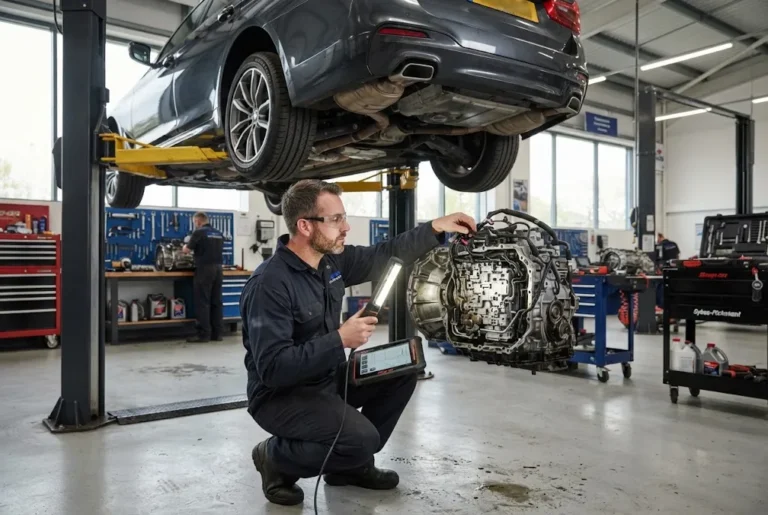
Regular Ford service is an important part of keeping a Ford safe, reliable and suitable for everyday driving. Whether you own a Ford Fiesta, Focus, Puma, Kuga, Mondeo or Transit, following the appropriate maintenance schedule can help identify wear before it develops into a more serious problem. It can also make it easier to understand what work your vehicle may need as it gets older.
Ford maintenance requirements vary according to the model, engine, age, mileage and driving conditions. Therefore, there is no single service routine that applies to every Ford. This guide explains what UK owners should know about Ford servicing, including service history, maintenance schedules, likely costs and the differences between routine maintenance and repairs.
Why Ford Service Matters
A regular Ford service gives technicians an opportunity to inspect important components and carry out scheduled maintenance. Routine servicing can include checks and replacements designed to keep the vehicle operating properly between major maintenance intervals.
Service requirements can differ significantly between models. A Ford Focus used mainly for commuting will not necessarily have exactly the same requirements as a Ford Kuga used for longer journeys or a Ford Transit covering high annual mileage.
Following the recommended maintenance plan also creates a useful record of how the vehicle has been looked after. This can become particularly valuable if you later decide to sell the car because prospective buyers may want evidence of consistent maintenance.
Understanding the Ford Service Schedule
The Ford service schedule is designed around the requirements of individual vehicles rather than a universal timetable. Service intervals can depend on factors such as the vehicle’s engine, model year, mileage and usage.
Owners should therefore check the maintenance information specific to their vehicle instead of assuming that another Ford model follows the same schedule. The vehicle handbook and official manufacturer information are useful starting points when establishing what is due.
Depending on the model and service interval, scheduled maintenance may involve engine oil and filter changes, inspections, fluid checks, brake assessments and other routine items. Some components have their own replacement intervals and should not be overlooked simply because the vehicle appears to be running normally.
Why Mileage and Time Both Matter
Maintenance is not always determined by mileage alone. Some service items can have time-based requirements because fluids, seals and other components can deteriorate even when a vehicle is not driven extensively.
For this reason, low-mileage drivers should still pay attention to scheduled servicing. Conversely, vehicles covering particularly high annual mileage may reach mileage-based maintenance requirements sooner than expected.
What Is Included in a Ford Service?
The exact contents of a service depend on the vehicle and the scheduled maintenance requirements. A technician may inspect the engine, brakes, tyres, steering, suspension, lights and other key systems.
Routine servicing can also include replacing consumable items when they are due. Engine oil and filters are common examples, although the precise maintenance list depends on the Ford model and engine.
It is important to distinguish between a service and a repair. A service is primarily scheduled maintenance, while repairs address faults or worn components that require corrective work. If a technician identifies a problem during a service, the additional repair may increase the final bill.
Ford Service History: What Should You Check?
A complete Ford service history can tell you considerably more about a vehicle than its current mileage alone. When buying a used Ford, ask for evidence of previous maintenance and check whether the documented work appears consistent with the vehicle’s age and mileage.
Service invoices can be particularly useful because they may show dates, mileage and the work completed. Digital records may also be available depending on the vehicle and how previous servicing was recorded.
When reviewing a service history, look for gaps that may require further explanation. A missing invoice does not automatically mean that maintenance was skipped, but it is reasonable to ask the seller for additional evidence.
For anyone considering a second-hand Ford, the service history should be assessed alongside the vehicle’s wider condition and used cars buying checks. A documented history is valuable, but it should not replace a proper inspection and test drive.
How Much Does Ford Servicing Cost?
Ford servicing cost varies considerably. Factors such as the vehicle model, engine, service type, age, mileage and garage can all influence the final price.
A basic scheduled service will generally involve fewer parts and less labour than a more comprehensive service that requires additional maintenance. Costs can also increase when worn components are discovered during inspection.
For example, replacing routine filters may be relatively straightforward, while work involving brakes, suspension, timing-related components or other major systems can add significantly to the bill.
It is therefore better to ask for a detailed quote rather than relying on a single headline price. Before approving additional work, ask the garage what has been identified, why it is required and whether it needs to be completed immediately.
Ford Service Prices: What Affects the Final Bill?
Ford service prices can differ between independent garages, manufacturer-affiliated dealers and other service providers. Labour rates vary by location and business, while parts prices can also differ depending on what components are used.
When comparing quotes, make sure you are comparing equivalent services. A cheaper quote may not include the same inspections, parts or maintenance items as a more comprehensive package.
It is also worth asking whether the quoted price includes VAT and whether additional repairs are excluded. Understanding what is included helps prevent unexpected costs when the vehicle is collected.
Ford Focus Service Considerations
A Ford Focus service should be based on the specific Focus model, engine and age rather than a generic checklist. The Focus has been produced with a range of engines and specifications over the years, so maintenance requirements can vary.
Owners should pay attention to the scheduled maintenance information for their particular vehicle and keep records of completed work. Routine checks of tyres, brakes, fluids and warning lights are also important between scheduled services.
If you are buying a used Focus, combine service-history research with a physical inspection. This gives you a clearer picture of both its documented maintenance and its present condition.
Ford Kuga Service and Ownership
The Ford Kuga service requirements also depend on the particular model and powertrain. Kuga owners should follow the manufacturer’s recommended maintenance information for their specific vehicle.
Drivers should also consider how the vehicle is used. Frequent short journeys, heavy loads, towing and high annual mileage can place different demands on a vehicle compared with occasional longer-distance driving.
Keeping accurate service records is especially useful for owners who plan to keep their Kuga for several years. It creates a clear maintenance history and helps identify when recurring service items were last completed.
Ford Transit Service for High-Mileage Vehicles
A Ford Transit service deserves particular attention because many Transit vehicles are used for commercial work and can accumulate substantial mileage. Downtime can also be more disruptive when the vehicle is essential for business operations.
Commercial owners should keep servicing up to date and investigate warning lights, unusual noises or changes in vehicle behaviour promptly. Preventive maintenance can help identify developing issues before they cause more significant disruption.
Drivers who regularly carry heavy loads should also pay close attention to tyres, brakes and suspension components. The exact requirements remain dependent on the specific Transit model and how it is operated.
Manufacturer Service or Independent Garage?
One of the decisions Ford owners may face is whether to use a manufacturer-affiliated service centre or an independent garage. Both options can have advantages, depending on the vehicle, warranty position, budget and personal preference.
A manufacturer-affiliated service centre may be familiar with the latest manufacturer procedures and model-specific systems. An experienced independent garage may offer competitive labour rates and specialist knowledge of particular Ford models.
Whichever option you choose, confirm that the garage understands your vehicle and can carry out the required maintenance correctly. Keep all invoices and service documentation afterwards so that your maintenance record remains complete.
How to Prepare for a Ford Service
Before taking your vehicle to a garage, make a note of any symptoms you have noticed. Unusual noises, warning lights, changes in braking, starting problems or changes in fuel consumption can all provide useful information for the technician.
Tell the garage about the vehicle’s recent maintenance history and any work that has already been carried out. This can reduce unnecessary investigation and help the technician understand what may be due next.
When the inspection is complete, ask for a clear explanation of recommended repairs. Not every advisory item necessarily requires immediate replacement, so understanding the urgency can help you prioritise maintenance responsibly.
Keeping Your Ford in Good Condition Between Services
Scheduled servicing is only one part of vehicle maintenance. Drivers should also carry out basic checks between appointments and respond promptly to changes in vehicle behaviour.
Check tyre pressures regularly, monitor tread condition and pay attention to warning lights. Keep fluid levels appropriate for the vehicle and investigate leaks or unusual smells rather than ignoring them.
Good driving habits can also support long-term vehicle condition. Avoiding unnecessary harsh acceleration and braking, allowing the engine and vehicle systems to operate appropriately and following the manufacturer’s maintenance recommendations can all contribute to sensible ownership.
Final Thoughts on Ford Service
Regular Ford service is an important part of responsible vehicle ownership in the UK. While the exact maintenance schedule varies between models and engines, keeping accurate records and completing scheduled work can help you understand the vehicle’s condition and plan future expenses.
Whether you own a Focus, Kuga, Transit or another Ford model, start with the maintenance requirements for your specific vehicle. Compare service quotes carefully, understand what is included and investigate additional repairs before approving them.
For anyone researching vehicle ownership more broadly, combining manufacturer-specific maintenance information with practical ownership advice can provide a much clearer picture of the costs and responsibilities involved in keeping a vehicle on the road.