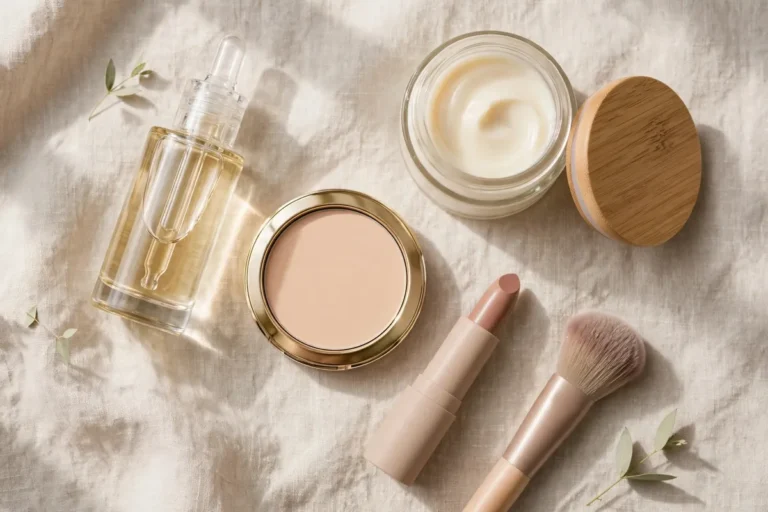
A shopper gives a product page a few seconds. In those seconds, beauty product descriptions have to do the work of a salesperson, a label and a trusted friend — explaining what the product is, who it suits and why it deserves a place in a routine. Writing them well is a learnable craft, and it matters just as much for a one-person skincare brand as for a large retailer. This guide covers how to turn features and ingredients into clear, honest copy that customers actually trust.
Start With the Reader, Not the Product
Weak cosmetic product descriptions begin with the brand: “our revolutionary formula harnesses the power of…”. Strong ones begin with the reader’s situation. A gel moisturiser is not interesting in itself; what matters is that it hydrates without the heavy feeling some creams leave on oily skin in summer. Before writing a word, decide who the product is for, what moment in their routine it fills, and what single outcome they care about most.
This reader-first habit is visible in the best beauty retail writing. Browsing well-judged beauty retailer reviews shows how quickly good retailers signal who a product suits — skin type, routine step, texture — before they ever mention brand story. Your descriptions should pass the same test: could a skimming shopper tell within two lines whether this product is meant for them?
Translate Features Into Benefits
Every feature needs a “so that” attached. “Contains panthenol” is a feature; “contains panthenol, so skin feels calmer and less tight after cleansing” is a benefit. Skincare product descriptions earn their keep in that translation step, because shoppers buy outcomes — comfort, glow, simplicity — not ingredient lists. Work through each feature of the product and ask what changes for the person using it.
The discipline also protects you from empty adjectives. “Luxurious”, “indulgent” and “transformative” say nothing testable. Replace them with specifics: texture (“a gel that absorbs in under a minute”), scent (“unscented”), format (“a 100 ml tube that lasts roughly two months of daily use”). Specifics are what make makeup product descriptions believable, because the reader can picture the product in their own bathroom.
Structure for Scanners
Most readers scan. Structure beauty product copywriting so the scan works: a one or two-sentence opening that names the product, its job and its audience; a short paragraph on texture and how it feels to use; a compact section on how to use it and where it fits in a routine; and a clear statement of who it is not for. That last element is underrated — telling a dry-skinned shopper that a mattifying primer is not aimed at them builds more trust than any superlative.
Curated round-ups follow the same logic. The descriptions inside beauty product buying guides work because each entry answers the same small set of questions in the same order, so comparisons are effortless. Consistency across a whole catalogue matters: if every product page answers “what, who, how, how much, what to avoid”, shoppers learn the pattern and read faster.
Ingredient Storytelling Without the Hype
Ingredients are where cosmetic copywriting most often loses honesty. The rules are simple. Name the ingredient and its role in plain English. Do not imply a cosmetic product treats medical conditions. Do not borrow the language of clinical studies for an ordinary moisturiser. And if an ingredient is present at the end of a long list mainly for label appeal, do not build the headline around it.
Good ingredient writing sounds like this: “Formulated with ceramides and glycerin to support the skin barrier and reduce the tight feeling after washing.” It informs without promising miracles, and it respects the reader. Over time, that restraint is a commercial advantage: customers who feel a brand describes products honestly come back, and they write the kind of reviews that sell the next product for you.
Tone, Voice and the Right Length
Beauty ecommerce copy should sound like the brand everywhere else. A clinical, science-led brand writes short, precise descriptions; a playful colour brand can be warmer and wittier. Problems arise when the product page sounds like a different company from the social feed or the packaging. Write a one-line voice definition — “plain-spoken, expert, never breathless” — and edit every description against it.
Length follows channel. A brand’s own product page can carry the full story; a marketplace listing should front-load the essentials because space and attention shrink. Local retailers face the same choices at smaller scale: the pages described in our guide to local beauty shops show how much clarity matters when the shopper might walk in tomorrow and ask about the product in person.
A Quick Self-Edit Before Anything Goes Live
Finished descriptions improve noticeably with one disciplined pass. Read the opening two lines and delete anything that could describe a competitor’s product just as well. Check that the basics appear before any storytelling: what it is, who it suits, size, scent, and how to use it. Search for superlatives and make each one earn its place with a specific detail, or cut it. Finally, read the description aloud; copy that sounds natural spoken aloud is almost always the copy a tired shopper can absorb on a phone screen.
Mistakes That Quietly Cost Sales
The recurring errors are unglamorous: copying the manufacturer’s description word for word, so your page says nothing distinctive; listing ingredients with no explanation; hiding the basics — size, scent, skin type — below the fold; and writing descriptions once and never updating them when the formula or packaging changes. Salons and retailers with a service element should remember that descriptions also serve the conversation in store, as the examples in local hair and beauty shops illustrate: staff sell what the copy has already explained well.
Write beauty product descriptions as if a knowledgeable friend were reading them aloud to the shopper: clear about what the product does, honest about its limits, and specific about the details that decide a purchase. Do that consistently across a catalogue, and the descriptions stop being filler around a buy button and start being the reason the button gets pressed.