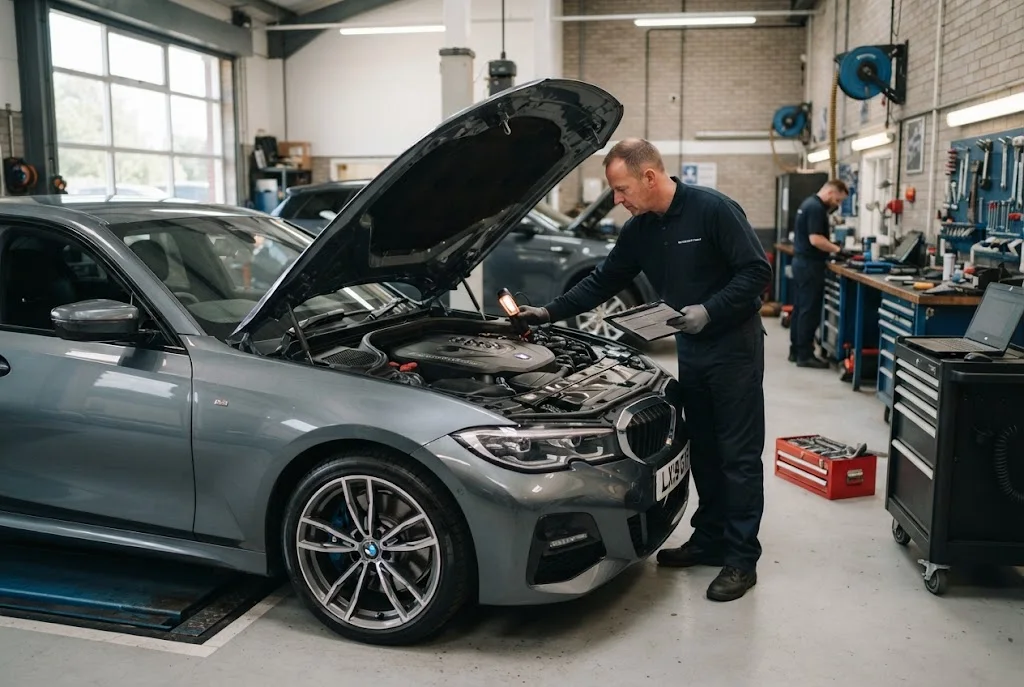
A thorough vehicle inspection can help UK motorists make a more informed decision when buying a used car. A vehicle may look excellent in photographs and appear reasonably priced, yet important mechanical, structural or maintenance issues may not be obvious during a short test drive. An inspection provides an opportunity to examine the vehicle more carefully before committing to a purchase.
Whether you are buying privately or through a dealer, understanding what an inspection involves can help you identify potential problems, ask better questions and assess whether the vehicle represents good value. This guide explains pre-purchase inspections, inspection reports, service history, vehicle history and the checks buyers should consider before completing a used-car purchase.
What Is a Vehicle Inspection?
A vehicle inspection is a systematic assessment of a car’s condition. Depending on the type of inspection, it can cover areas such as the bodywork, tyres, brakes, suspension, steering, engine, transmission, electrical systems and visible signs of previous damage.
The depth of an inspection varies. A basic visual check is different from a comprehensive professional assessment. Buyers should therefore establish exactly what an inspection includes before paying for one.
A professional inspection is not the same as an MOT. An MOT checks whether a vehicle meets specific legal safety and environmental standards at the time of the test. It is not a complete assessment of the vehicle’s mechanical condition or its suitability as a purchase.
For that reason, a car having a current MOT should not automatically be treated as a car without mechanical or maintenance concerns.
Why a Vehicle Inspection Matters Before Buying
Buying a used vehicle involves more uncertainty than purchasing a new car. The vehicle has already accumulated mileage and may have experienced previous repairs, accidents, modifications or periods of neglect.
A professional inspection can help identify issues that are difficult for an inexperienced buyer to recognise. It may also provide useful information when deciding whether to negotiate on price or walk away from a vehicle.
An inspection is particularly valuable when:
- The vehicle is relatively expensive
- The car has high mileage
- The seller’s maintenance information is incomplete
- The vehicle has visible cosmetic or mechanical concerns
- You are buying privately and have limited protection
- The car has been modified
- The purchase involves a significant financial commitment
The cost of an inspection is generally small compared with the potential cost of discovering a major problem after completing the purchase.
What Is a Pre-Purchase Inspection?
A pre-purchase inspection is an assessment carried out before buying a vehicle. It is designed to give the prospective buyer a clearer picture of the car’s condition before money changes hands.
Depending on the service, the inspector may examine the vehicle visually, conduct mechanical checks and perform a road test. Some inspections can also include an assessment of diagnostic information or evidence of previous repairs.
The exact inspection should match the vehicle and the buyer’s circumstances. A relatively inexpensive older car may require a different level of assessment from a newer premium vehicle with complex electronic systems.
Before booking an inspection, ask the provider what areas are included and whether the vehicle needs to be available at a particular location or for a specific amount of time.
What Does a Professional Inspection Check?
A comprehensive assessment may cover numerous areas of the vehicle. The exact checklist varies by inspection provider, but buyers can generally expect attention to several major categories.
Bodywork and Exterior
The exterior can provide clues about the vehicle’s history. Inspectors may look for inconsistent paintwork, dents, scratches, corrosion, panel gaps and signs that body panels have been repaired or replaced.
These findings do not automatically mean the vehicle is unsuitable. Previous cosmetic repairs can be perfectly legitimate. However, they may justify further questions about when and why the work was carried out.
Tyres and Wheels
Tyres should be checked for tread, condition, damage and unusual wear. Wheels can also be examined for visible damage.
Tyres approaching replacement may represent an immediate ownership expense, so identifying them before purchase can help the buyer understand the true cost of the vehicle.
Our guide to tyre services explains more about tyre fitting, replacement, repairs, balancing and routine maintenance.
Brakes, Steering and Suspension
These systems have an important role in vehicle control and safety. An inspection may identify worn components, unusual noises, leaks or other signs that further investigation is required.
Problems in these areas can also become expensive if several components require attention, making them important considerations during a used-car assessment.
Engine and Transmission
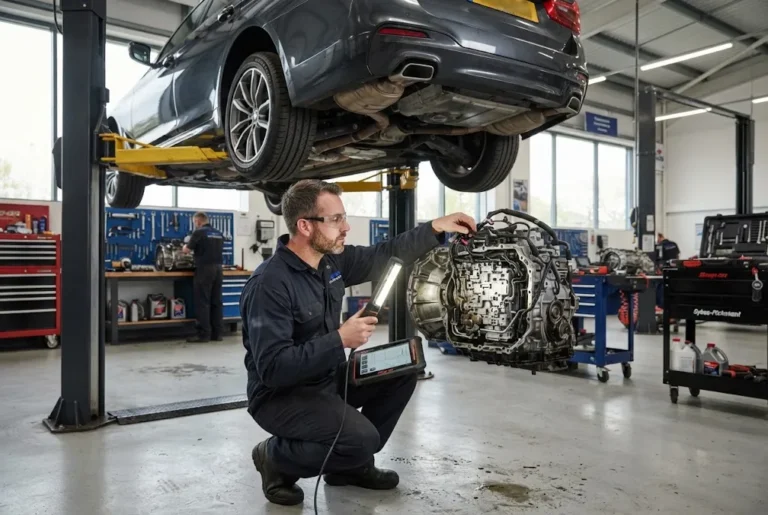
The engine compartment can reveal signs of leaks, poor maintenance or previous repairs. During a road test, an inspector may also assess starting behaviour, engine performance, gearbox operation and unusual noises.
No inspection can guarantee that a vehicle will never develop a mechanical problem. Instead, the aim is to identify observable or testable concerns at the time of assessment.
Electrical Systems
Modern vehicles can contain numerous electronic systems. An inspection may include checks of lights, windows, warning indicators, infotainment functions, climate controls and other accessible electrical features.
Diagnostic equipment may also be appropriate for some vehicles, although buyers should confirm whether diagnostic scanning is included in the inspection package.
Understanding Inspection Reports
Inspection reports can vary considerably in format and detail. Some providers use simple condition ratings, while others provide written explanations and photographs.
Do not focus only on whether the overall report says the car is satisfactory. Read the individual findings carefully. A vehicle may receive a generally positive assessment while still requiring maintenance or repairs in specific areas.
Pay particular attention to descriptions involving:
- Structural damage
- Engine or transmission concerns
- Oil or fluid leaks
- Brake wear
- Suspension faults
- Tyre condition
- Corrosion
- Warning lights
- Previous accident repairs
If a report uses technical terminology that you do not understand, ask the inspector or a qualified mechanic to explain the finding and its likely implications.
Why Service History Matters
A vehicle’s service history can provide valuable context that an inspection alone cannot establish. Maintenance records can show whether scheduled servicing has been carried out and whether important components have previously been replaced.
Look for consistent records rather than assuming that a single service invoice represents the vehicle’s complete maintenance history.
Useful documents may include service invoices, MOT records, repair receipts and records relating to major maintenance work. The availability and quality of records will vary between vehicles.
Where possible, compare the recorded mileage across different documents. Inconsistent mileage information should prompt further questions before purchase.
Vehicle History Checks and Physical Inspections
A physical inspection and a vehicle history check serve different purposes. A history check can provide information about aspects such as recorded mileage, insurance-related events, outstanding finance or other information available through the relevant data sources.
A physical inspection, meanwhile, examines the vehicle’s condition at the time it is assessed.
Neither should automatically replace the other. A car can have a clean-looking physical inspection while its history raises questions, and a vehicle with an apparently acceptable history may still have mechanical problems.
Using both approaches can provide a more complete picture before buying.
Vehicle Inspection Checklist for Used Car Buyers
A simple inspection checklist can help buyers remain systematic instead of becoming distracted by a vehicle’s appearance or sales presentation.
- Check the vehicle identification details
- Review available service records
- Check MOT information and recorded mileage
- Inspect the exterior for inconsistent repairs
- Look for corrosion and visible damage
- Check tyre condition and tread
- Examine lights and accessible electrical equipment
- Look for warning lights on the dashboard
- Check engine behaviour when cold where possible
- Listen for unusual mechanical noises
- Assess steering, braking and gearbox operation during a suitable road test
- Compare the vehicle’s condition with the seller’s description
- Obtain a professional inspection for higher-value or higher-risk purchases
This checklist is a starting point rather than a substitute for specialist knowledge. A professional inspector can assess areas that an ordinary buyer may overlook.
What to Do If an Inspection Finds Problems
Finding a problem does not necessarily mean you must abandon the purchase. The appropriate response depends on the severity, repair cost and overall condition of the vehicle.
Minor maintenance items may be reflected in a reasonable negotiation. More serious mechanical or structural findings may change the decision completely.
Ask for a clear explanation of each significant issue and, where possible, obtain an estimate for necessary repairs. This allows you to consider the vehicle’s purchase price together with likely immediate ownership costs.
If a repair is likely to be substantial, it can also be useful to obtain an independent second opinion before proceeding.
Buying Privately vs Buying From a Dealer
The circumstances surrounding a used-car purchase can influence how important an inspection becomes. Private purchases and dealer transactions can involve different consumer rights and practical considerations.
Regardless of where the vehicle is being purchased, buyers should avoid assuming that a seller’s description is a substitute for independent assessment.
When buying privately, an inspection can provide additional reassurance because the buyer may have less information about the vehicle’s previous maintenance. When buying from a dealer, an inspection can still be useful for an expensive or specialist vehicle.
How Much Does a Vehicle Inspection Cost?
The price of a vehicle inspection depends on the provider, vehicle type, inspection depth and location. Basic checks are generally less expensive than comprehensive inspections involving diagnostics, road testing and detailed reporting.
Instead of choosing an inspection purely by price, compare what is actually included. A cheaper inspection may provide less information, while a more comprehensive assessment may be worthwhile for a higher-value purchase.
Ask whether the report includes photographs, diagnostic checks, road testing and an explanation of significant findings. These details can make it easier to compare inspection providers.
Vehicle Inspection and the True Cost of Buying a Car
The purchase price is only one part of the cost of owning a vehicle. Insurance, fuel, servicing, tyres, repairs, tax and other ownership costs should all be considered.
An inspection can help uncover immediate maintenance requirements before the buyer commits to the vehicle. For example, worn tyres or brakes may not change the advertised price, but they can create additional costs shortly after purchase.
This is particularly important when comparing several used cars. The cheapest car to buy may not be the cheapest car to own if it requires substantial work soon after purchase.
When Should You Arrange an Inspection?
The best time to arrange an inspection is before finalising the purchase. Ideally, buyers should agree with the seller that the vehicle can be independently inspected before completing the transaction.
If the seller refuses a reasonable request for an inspection without a convincing explanation, consider why they may be reluctant. A refusal does not prove that the vehicle has a problem, but it is a factor worth considering.
For particularly valuable vehicles, specialist models or cars with limited maintenance records, a professional inspection can be especially worthwhile.
Vehicle Inspection: Making a Better-Informed Purchase
A vehicle inspection is not a guarantee that a used car will remain trouble-free. Instead, it is a practical way to reduce uncertainty and identify visible or testable issues before purchase.
The strongest approach combines a physical inspection with available vehicle-history information, service records and a realistic assessment of future ownership costs. Buyers should read inspection reports carefully, investigate significant findings and avoid making decisions based solely on appearance or price.
For motorists considering their wider vehicle budget, our guide to repair finance explains how unexpected repair costs can be managed and what buyers should consider before taking on a payment arrangement.
By taking time to inspect a used car properly, buyers can make decisions with better information and a clearer understanding of the vehicle they are about to own.
For more practical motoring guidance, explore the Auto Services section for articles covering maintenance, repairs, tyres and other aspects of responsible vehicle ownership.