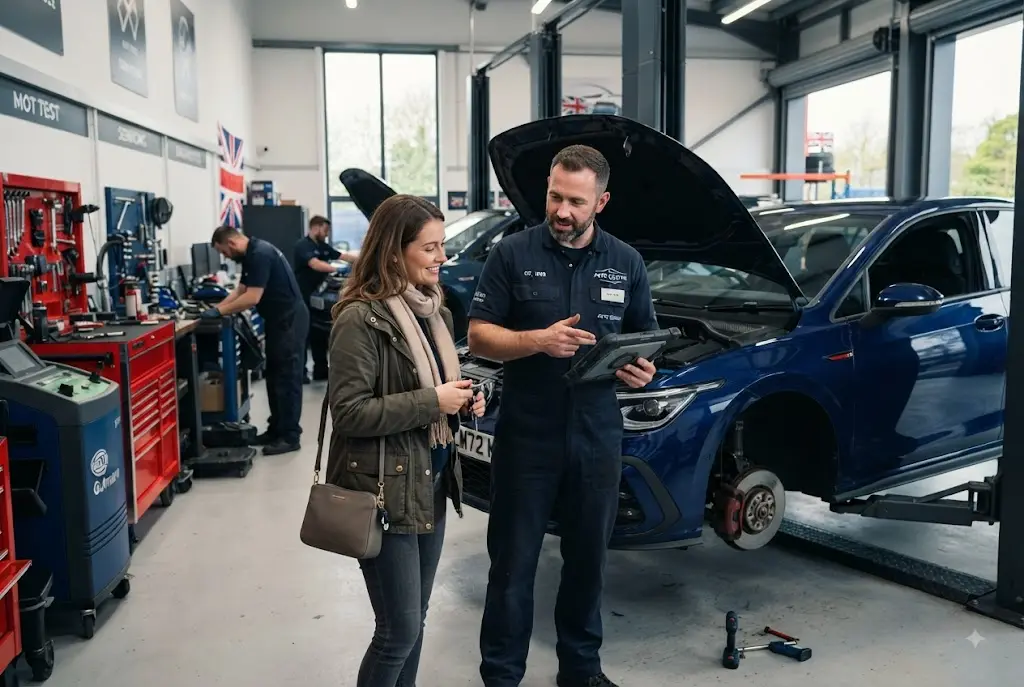
Automotive service companies operate in a market where trust can be just as important as technical expertise. Drivers want to know that their vehicle is in capable hands, that repairs will be explained clearly and that the business understands their concerns. For this reason, strong brand storytelling can help automotive businesses communicate more effectively than a simple list of services ever could.
From independent garages and authorised service centres to national workshop networks, automotive businesses have different strengths, audiences and customer journeys. Yet they share a common challenge: explaining their expertise in a way that feels credible, useful and relevant. Effective content marketing can bridge that gap by turning workshop knowledge into customer-focused stories, guides and experiences.
Why Automotive Service Companies Need Brand Storytelling
Automotive services are often difficult for customers to evaluate before the work begins. A driver may know that a warning light has appeared or that the vehicle is making an unusual noise, but they may not understand the underlying problem or know which repair is required.
This uncertainty creates a natural role for brand storytelling. Instead of communicating only what a garage sells, content can explain how the business approaches diagnosis, maintenance, repairs and customer care.
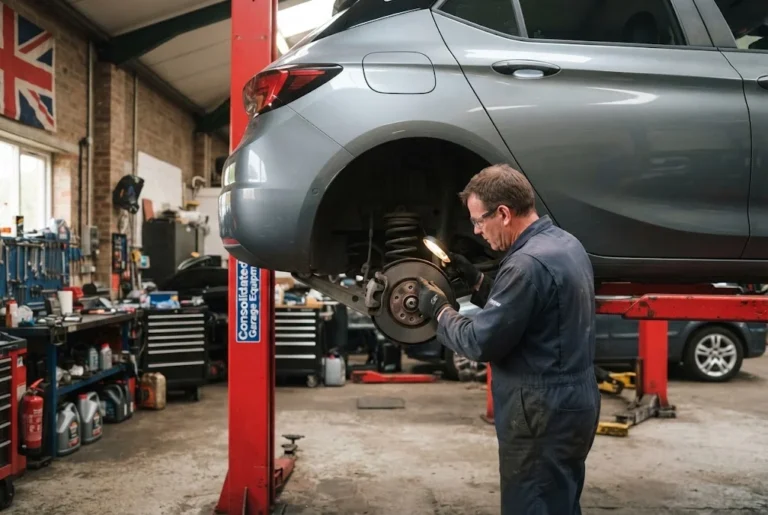
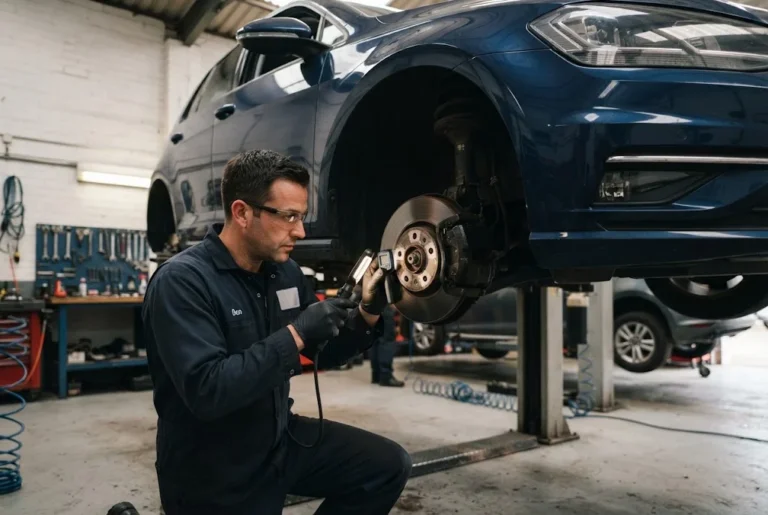
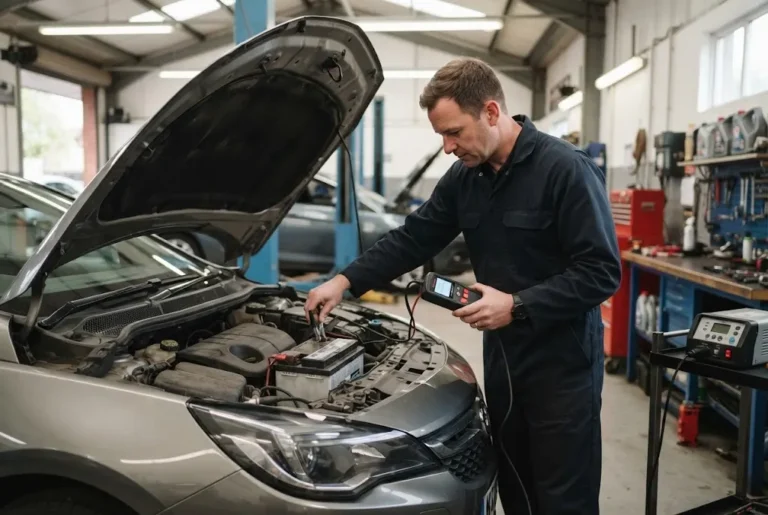
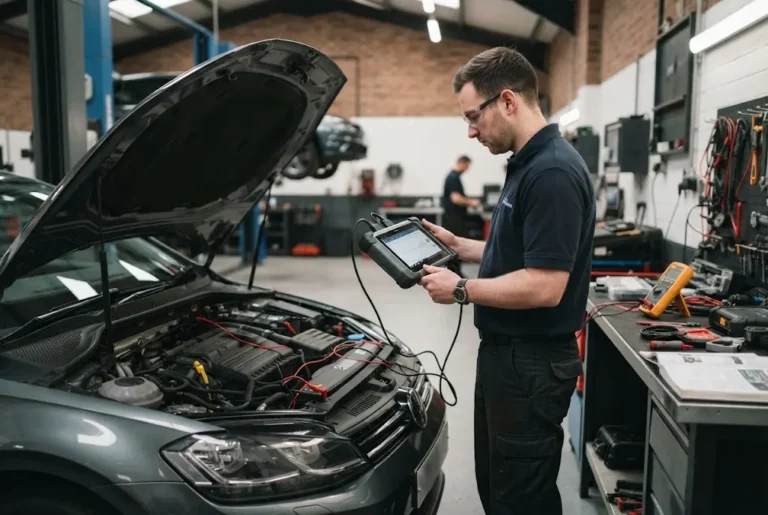
A strong story does not need to be dramatic. It can be as simple as showing how technicians identify a problem, how a workshop handles a repair or how a business helps a customer understand their options.
That approach gives customers something more valuable than a promotional claim: context.
Automotive Service Companies and Customer Trust
Trust is built through repeated signals rather than one statement. Clear service descriptions, transparent explanations, useful educational content and consistent customer messaging can all contribute to a stronger perception of a business.
This is particularly important because vehicle maintenance can involve significant costs. Customers may compare several providers before deciding where to book a service or repair.
Automotive service companies can therefore use content to answer questions that customers might otherwise ask over the phone or at the reception desk. What does a service involve? Why is a particular repair recommended? What symptoms should a driver watch for? When should a vehicle be inspected?
Answering these questions publicly creates a useful knowledge resource while demonstrating that the business is prepared to educate rather than simply sell.
Independent Garages Have a Different Story to Tell
Independent garages should not attempt to copy the communication style of large national brands. Their competitive advantage may be completely different.
An independent workshop can tell stories around local relationships, technician experience, repeat customers, specialist knowledge and personalised service. These themes can create a sense of familiarity that is difficult for a large network to reproduce at every location.
For example, an independent garage might publish an editorial case study showing how a difficult diagnostic issue was identified and resolved. The focus does not have to be on promoting a particular technician. Instead, the article can demonstrate the workshop’s problem-solving approach and explain the technical issue in accessible language.
Local relevance can strengthen this further. Content that reflects the questions and vehicle concerns commonly encountered by the workshop’s customer base can feel considerably more authentic than generic automotive articles.
Using Local Expertise as Content
Independent garages have access to a valuable source of original material: everyday workshop experience.
Common repair questions, seasonal maintenance issues, recurring faults and customer misconceptions can all become useful editorial topics. With customer privacy protected, these experiences can be transformed into practical guides and anonymised case studies.
This creates content that is difficult for competitors to duplicate because it comes from the garage’s actual experience.
Authorised Service Centres and Technical Authority
Authorised service centres have another storytelling opportunity. Their brand positioning can often be connected to manufacturer-specific expertise, approved servicing procedures, specialist equipment and knowledge of particular vehicle systems.
However, technical authority should still be communicated in customer-friendly language. Readers do not necessarily need a detailed explanation of every workshop procedure. They need to understand why the expertise matters to their vehicle.
Content can explain how manufacturer-specific servicing differs from general maintenance, what customers should expect during a scheduled service and why following appropriate maintenance requirements can matter for vehicle ownership.
This is where garage chains and automotive service networks can learn from each other. Whether a business operates nationally or from one local workshop, the underlying principle remains the same: expertise becomes more persuasive when customers can understand it.
Workshop Branding Should Go Beyond the Logo
Workshop branding is often associated with visual identity, signage, uniforms and vehicle graphics. Those elements matter, but brand identity also exists in the words a company uses and the experience it creates online.
A workshop that presents itself as friendly and transparent should communicate in the same way across its website, booking process, emails and educational content.
Likewise, a specialist automotive business positioning itself around technical expertise should make that expertise visible through useful explanations rather than relying entirely on claims.
Strong workshop branding therefore combines visual identity with editorial consistency.
Creating a Consistent Customer Voice
Automotive businesses can establish simple editorial principles for their content. These might include explaining technical terminology before using it extensively, avoiding unnecessary jargon, addressing costs carefully and making safety-related information clear.
The same voice should appear across service pages, blog articles, FAQs, social media posts and customer communications.
Consistency makes a business easier to recognise and can make the customer journey feel more coherent.
Content Marketing for Automotive Service Companies
Content marketing works best when it reflects the different stages of the customer journey.
At the awareness stage, a driver may search for symptoms or general information. They may not yet know which service they need.
At the consideration stage, the customer may compare repair options, service providers, prices or technical approaches.
At the decision stage, they are more likely to look for a specific garage, service page, booking option or local workshop.
Automotive service companies can create content for each stage rather than publishing only promotional service pages.
For example, a guide explaining signs of vehicle maintenance issues can introduce a broader topic. A detailed service article can then explain the appropriate professional inspection. A local service page can provide the practical information needed to arrange an appointment.
This structure also creates stronger internal linking opportunities and gives search engines a clearer understanding of the site’s topical relationships.
Editorial Case Studies Can Make Automotive Content More Useful
Editorial case studies are particularly valuable because they combine storytelling with practical information.
A good automotive case study might begin with a customer problem, explain the diagnostic process, describe the repair and conclude with the outcome. The story should focus on useful lessons rather than simply praising the workshop.
For example, a garage could explain how uneven tyre wear led to an investigation of the vehicle’s alignment. The article could discuss the symptoms, the inspection process and the importance of correcting the underlying issue.
This kind of content can educate readers while demonstrating workshop expertise naturally.
Case studies can also support more specialised topics. As vehicle technology evolves, businesses can create content around hybrid servicing or EV servicing, showing how their technicians approach newer maintenance requirements.
Customer Messaging Should Answer the Questions Behind the Search
One of the most effective ways to improve automotive content is to look beyond the keyword itself.
A search for a particular service usually represents an underlying concern. Someone searching for a brake service may be worried about noise, stopping performance or an inspection result. Someone researching hybrid maintenance may be uncertain about servicing requirements. A driver looking for an EV mechanic may want reassurance that the workshop has appropriate knowledge and equipment.
Good customer messaging addresses that underlying concern.
Instead of simply stating that a service is available, the content should explain why a customer might need it, what they can expect and what information may help them make an informed decision.
How to Build an Automotive Brand Content System
Automotive service companies can create a scalable editorial system by organising content into several connected groups.
Service Content
Core service pages should explain what the business provides and how customers can access it. These pages are commercially important and should remain clear, concise and conversion-focused.
Educational Guides
Educational articles can explain maintenance concepts, symptoms, terminology and common customer questions. These pages can attract users earlier in the search journey.
Brand Stories
Brand-focused content can introduce the people, expertise, values and processes behind the workshop. This gives customers a reason to understand the business beyond its service menu.
Case Studies
Case studies can demonstrate real-world expertise through specific vehicle problems and repair journeys. They also provide opportunities to cover technical topics without making the content feel like a textbook.
Emerging Technology Content
Hybrid and electric vehicles are changing the questions motorists ask about servicing. Dedicated content can help automotive businesses demonstrate that their knowledge is evolving alongside the vehicles they maintain.
What Makes Automotive Brand Storytelling Effective?
The most effective automotive storytelling usually has three characteristics: specificity, usefulness and authenticity.
Specificity means explaining something concrete rather than making broad claims. Usefulness means giving the reader information they can actually apply. Authenticity means ensuring that the story reflects the real capabilities and customer experience of the business.
These principles are especially important in an industry where customers may be sceptical of exaggerated marketing language.
A workshop does not need to claim that it is the greatest automotive business in the country. It can demonstrate expertise through clear explanations, real examples and transparent communication.
Building Long-Term Authority Through Content
Brand storytelling should not replace service-focused SEO. Instead, the two approaches should support one another.
A well-structured automotive website can have commercial pages targeting important services, educational guides answering customer questions, local pages supporting geographic searches and editorial content demonstrating expertise.
Each part serves a different purpose. Together, they create a stronger content ecosystem.
This approach also helps avoid repetitive articles that target almost identical keywords. Instead of producing several generic posts about vehicle servicing, a brand can build distinct resources around customer problems, service explanations, workshop expertise, technology and ownership questions.
Final Thoughts
Automotive service companies have far more stories available to them than they often realise. The workshop itself is full of useful experiences, technical knowledge, customer questions and practical lessons that can become valuable content.
Independent garages can emphasise local expertise and personal service. Authorised service centres can explain specialist knowledge and manufacturer-specific experience. Larger networks can use consistent customer messaging while creating useful resources for different audiences.
The strongest approach is not to turn every article into an advertisement. Instead, automotive businesses should use content marketing to explain, educate and reassure. When that information is connected to clear service pages and a consistent brand identity, storytelling becomes more than a branding exercise. It becomes a practical way to build trust, strengthen topical authority and help customers make better decisions about their vehicles.