Modern vehicles depend on complex electrical systems for starting, lighting, charging, safety equipment and many everyday functions. When something goes wrong, professional auto electrical services can help identify whether the problem involves the battery, alternator, starter, wiring, sensors or another electrical component. Understanding the basics can also help drivers recognise symptoms before a minor issue develops into a larger problem.
Electrical faults are not always obvious. A car that struggles to start, headlights that become unusually dim, warning lights that appear on the dashboard or accessories that stop working can all point towards different causes. Proper testing is therefore more useful than simply replacing parts based on symptoms.
What Do Auto Electrical Services Cover?
Auto electrical work covers many systems that use electrical power or electronic control. The exact service offered by a garage or specialist will vary, but common areas include:
- Battery testing and replacement
- Alternator and charging-system diagnosis
- Starter motor testing and repair
- Vehicle electrical fault finding
- Lighting and indicator problems
- Electrical wiring and connection issues
- Central locking and window faults
- Dashboard and warning-light investigations
- Electronic control-system diagnostics
- Parasitic battery-drain investigations
Because electrical systems are interconnected, a symptom does not always identify the failed component. A flat battery, for example, may be caused by an ageing battery, a charging problem, an electrical drain or repeated short journeys rather than a battery fault alone.
When Should You Contact an Auto Electrician?
An auto electrician specialises in diagnosing and repairing vehicle electrical and electronic systems. Professional assistance may be appropriate when an electrical fault is persistent, difficult to identify or involves components that require specialist testing.
Common warning signs include:
- The engine turns slowly when starting.
- The vehicle repeatedly needs a jump-start.
- Headlights or interior lights become unusually dim.
- Electrical accessories stop working intermittently.
- Battery or charging-system warning lights appear.
- Fuses continue to blow after replacement.
- Electrical equipment behaves unpredictably.
- The battery loses charge while the vehicle is parked.
Some faults may be straightforward, while others require systematic testing to locate the source. Replacing a fuse or battery without investigating the underlying cause may not solve a recurring problem.
Auto Electrical Services and Battery Problems
The battery is one of the most familiar parts of a vehicle’s electrical system, but its role is often misunderstood. It provides electrical energy for starting and supports electrical equipment when the engine is not running. Once the engine is operating, the charging system helps maintain the battery and supply electrical power.
Battery problems can produce symptoms that resemble other electrical faults. A weak battery may cause slow cranking, clicking sounds or difficulty starting. However, the same symptoms can sometimes result from poor electrical connections, a starter problem or an issue within the charging system.
That is why auto battery service can include more than simply installing a replacement battery. Battery testing, charging-system checks and inspection of relevant connections can help establish what is actually happening.
How Battery Diagnostics Can Identify Electrical Faults
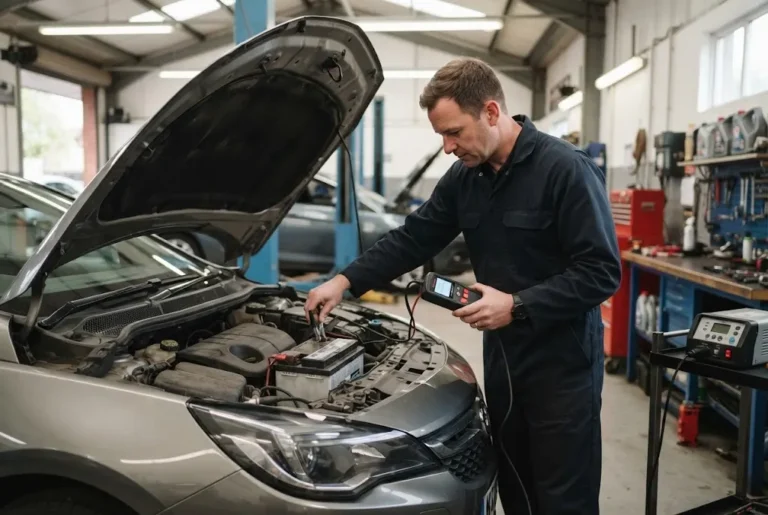
Battery diagnostics can provide useful information about the condition and performance of a vehicle’s battery. Depending on the equipment and service, testing may assess battery voltage and other characteristics relevant to starting performance.
A technician may also inspect battery terminals and cables for corrosion, looseness or other visible problems. Poor connections can interfere with current flow and create symptoms that appear to indicate a failed battery.
When a battery repeatedly goes flat, the investigation may need to go further. The vehicle could have a charging issue or an unwanted electrical drain that continues while the vehicle is parked.
Alternator Repairs and Charging-System Problems
The alternator plays an important role in a vehicle’s charging system. If charging performance is inadequate, the battery may gradually lose its ability to provide reliable starting power.
Possible signs of a charging-system problem include a charging warning light, dimming electrical equipment, repeated battery discharge or unusual noises from the engine bay. However, these symptoms should be tested rather than used as proof that the alternator itself has failed.
Alternator repairs may involve inspection, testing or replacement depending on the vehicle and the nature of the fault. A technician may also check associated wiring, connections and charging-system components.
Understanding the relationship between the battery and alternator is particularly important. Installing a new battery may provide a temporary improvement if the real problem is that the charging system is not operating correctly.
Vehicle Electrical Repair: Common Fault Areas
Vehicle electrical repair can involve anything from a damaged connection to a problem within a sophisticated electronic control system. Common fault areas include wiring, connectors, fuses, relays, switches, motors and sensors.
Intermittent faults can be especially difficult because the problem may not be present when the vehicle reaches the workshop. A careful technician may therefore need to reproduce the symptoms, inspect relevant circuits and use electrical testing equipment.
Moisture, corrosion, physical damage and loose connections can all affect electrical reliability. In some cases, a fault may also develop because of modifications or aftermarket equipment that has not been installed correctly.
Electrical Troubleshooting Requires a Systematic Approach
Effective electrical troubleshooting is generally more reliable than replacing components based on assumptions. The process should begin with the reported symptom and then narrow down possible causes through appropriate testing.
For example, if a vehicle has difficulty starting, the investigation might consider the battery, connections, starter circuit and other relevant systems. If the vehicle starts but the battery repeatedly loses charge, the charging system and possible electrical drains may need attention.
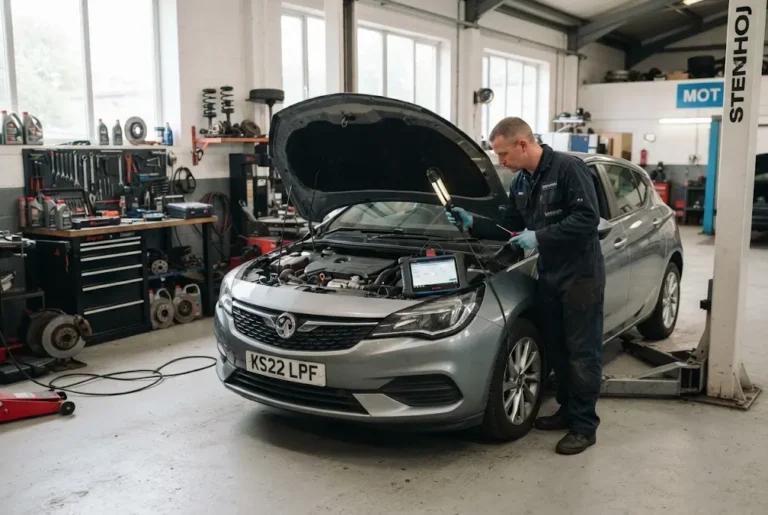
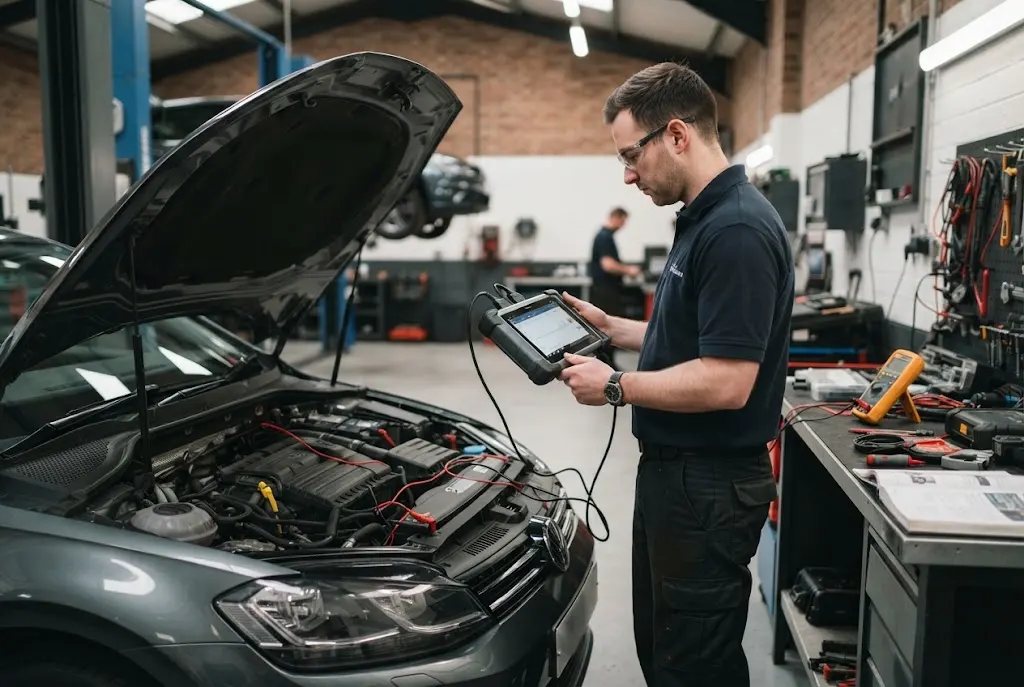
Diagnostic information can also help guide the investigation on newer vehicles. Electronic systems may store fault information that provides clues, although diagnostic codes normally need to be interpreted alongside the vehicle’s symptoms and test results.
Auto Electrical Services for Warning Lights
Dashboard warning lights can provide an important early indication that something requires attention. The meaning and urgency of a warning depend on the vehicle and the specific system involved.
A warning-light investigation may therefore involve diagnostic scanning followed by physical testing. Clearing a warning without identifying its cause does not necessarily resolve the underlying problem.
Drivers should consult the vehicle handbook for the manufacturer’s explanation of dashboard symbols and recommended actions. The official UK Highway Code also provides information about vehicle warning lights and driver responsibilities. The Highway Code’s vehicle guidance is a useful reference for motorists.
Signs of a Possible Electrical Drain
A battery that repeatedly becomes flat after the vehicle has been parked may indicate an unwanted electrical drain. Modern cars continue to use certain electrical systems after the ignition is switched off, but an abnormal drain can prevent the battery from maintaining sufficient charge.
Finding the cause can require specialised testing because many circuits may be involved. An auto electrician can investigate the vehicle’s electrical consumption and identify circuits that require further examination.
Drivers should avoid repeatedly replacing the battery without investigating why it is losing charge. If the underlying electrical problem remains, another battery may eventually experience the same issue.
Why Electrical Faults Can Be Difficult to Diagnose
Today’s vehicles contain considerably more electronic technology than older cars. Sensors, control modules, communication networks and electronically controlled systems can interact in ways that make fault diagnosis more complex.
A single symptom can therefore have several possible causes. A starting issue, for example, may involve the battery, starter system, electrical connections or another vehicle system. Similarly, an electrical accessory that stops working may have a problem with a fuse, wiring, switch, motor or control module.
This is why good technical diagnosis focuses on evidence rather than immediately replacing the most obvious component.
How Auto Electrical Content Helps Vehicle Owners
Well-written educational articles can make technical vehicle problems easier to understand. Automotive blogs and technical copywriting can explain the difference between symptoms, diagnostic findings and confirmed faults without overwhelming readers with unnecessary jargon.
For example, an article about battery maintenance can explain why battery condition matters, while a separate guide to brake systems can focus on mechanical safety rather than electrical troubleshooting. Likewise, content about auto inspection services can explain how electrical checks may form part of a wider vehicle assessment.
This connected approach creates a useful automotive information resource where readers can move naturally between inspection, maintenance, diagnostics and repair topics.
Keeping Vehicle Electrical Systems Reliable
Basic maintenance can help drivers identify electrical issues before they become more disruptive. Checking that battery terminals are secure, paying attention to dashboard warnings and responding to changes in starting performance are useful habits.
Drivers should also follow the manufacturer’s maintenance recommendations and use suitable replacement components. When an electrical problem is intermittent or recurring, professional testing can be more useful than repeatedly replacing parts.
Regular inspections can also help identify related mechanical or electrical concerns. Combining general vehicle checks with targeted diagnostic work gives technicians more information when investigating complex symptoms.
Understanding Auto Electrical Services
Auto electrical services cover a broad range of vehicle systems, from batteries and alternators to wiring, lighting and electronic controls. The key to effective repair is identifying the underlying cause rather than treating only the most visible symptom.
For drivers, recognising common warning signs can make it easier to seek appropriate assistance. For automotive publishers, clear educational articles can provide practical information while connecting related subjects such as battery maintenance, diagnostics, inspections and vehicle repair.
Whether the issue is a recurring flat battery, an intermittent electrical fault or a dashboard warning, accurate testing and clear reporting can help turn an uncertain symptom into a better-informed repair decision.